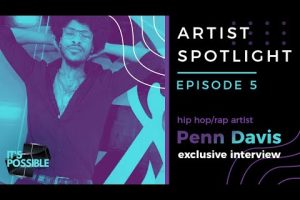
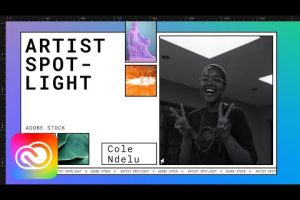
When you scroll through your favorite social media feed or browse an online art marketplace, you’ve likely stumbled across an artist spotlight example that stopped you mid-scroll. Maybe it was a stunning visual carousel featuring a painter’s journey, or a candid interview with a ceramicist who turned a hobby into a full-time career. Whatever the format, artist spotlights have become one of the most powerful tools for celebrating creative talent, building community, and driving engagement across platforms. But what exactly makes an artist spotlight work? And how can creators, curators, and brands design one that genuinely resonates? This guide dives deep into the world of artist spotlight examples — covering formats, strategies, and best practices you can apply right away.
What Are Artist Spotlight Examples and Why They Matter
An artist spotlight example is a curated feature — whether published on social media, a blog, a gallery wall, or an e-commerce platform — that highlights a specific artist’s work, story, and creative process. Think of it as a behind-the-scenes window into the mind and craft of someone making art. These features are not just pretty profiles; they serve a strategic purpose. They humanize creators, build emotional connections with audiences, and give emerging talent the visibility they deserve.
For brands, galleries, and media outlets, featuring artist spotlights signals authenticity. Audiences today crave real stories, not polished marketing speak. An artist feature example that shares raw, unfiltered insights about struggle, inspiration, and technique builds trust and loyalty. For the artists themselves, getting spotlighted can mean new followers, commission requests, collaborations, and even gallery representation.
From a search engine optimization perspective, artist spotlight content also performs well because it combines long-tail keywords like “how to feature an artist,” “artist spotlight template,” and “creative artist profile examples” with rich, semantically relevant content that satisfies both users and algorithms.
Types of Artist Spotlight Examples Across Platforms
Not every artist spotlight looks the same. The best examples adapt their format to the platform and the audience. Here are the most common types you’ll encounter.

Social Media Artist Spotlights
On platforms like Instagram, TikTok, and LinkedIn, artist spotlights typically take the form of carousel posts, Reels, Stories, or multi-post series. A social media artist spotlight example might include a Reel showing the artist at work in their studio, paired with a caption that tells their personal story and links to their portfolio.
Key elements that make social media spotlights effective:
- High-quality visuals of the artwork or creative process
- A personal narrative that connects emotionally
- Clear calls-to-action like “Follow for more” or “Visit the artist’s shop”
- Hashtags and location tags for discoverability
- Engagement prompts such as polls or question stickers
Gallery and Exhibition Artist Spotlights
In physical and virtual gallery settings, an artist spotlight example often takes the form of a dedicated wall panel, a featured section in a group show, or an in-depth gallery talk. These spotlights typically include the artist’s statement, a curated selection of works, and biographical details. They’re designed to educate visitors and create deeper context around the pieces on display.
Online Marketplace and Blog Features
Platforms like Etsy, Saatchi Art, and Artsy regularly publish artist profiles and blog features. A musician artist spotlight example or visual artist feature on these platforms usually includes a biography, portfolio images, pricing information, and links to purchase or commission work. These features are optimized for conversion — they help audiences move from casual browsing to meaningful engagement.
How to Create a Compelling Artist Spotlight
If you’re looking to create your own artist spotlight, whether for a blog, social channel, or gallery newsletter, the process matters as much as the product. Here’s a step-by-step breakdown of how to structure a standout feature.
Step 1: Choose the Right Artist
Start by selecting an artist whose story and style align with your audience’s interests. Look for creators who offer something unique — a distinctive technique, a compelling personal narrative, or a fresh perspective on a familiar medium. The strongest artist spotlight template always begins with a subject who genuinely captivates.
Step 2: Conduct a Deep Interview
Go beyond surface-level questions. Ask about the artist’s earliest creative memory, the challenges they’ve faced, and what inspires their current body of work. The best artist feature examples reveal something unexpected about the creator — a vulnerability, a surprising influence, or an unconventional path to their craft.
Step 3: Curate Visual and Written Content
Collect high-resolution images of the artist’s work, behind-the-scenes photos, and any video footage available. Pair these visuals with well-written copy that weaves the artist’s voice into your narrative. Use how to write an artist spotlight techniques like storytelling frameworks, sensory language, and clear structure.
Step 4: Optimize for Engagement and Discovery
Whether you’re publishing online or in print, ensure your spotlight is easy to find and share. Include relevant keywords naturally, add internal and external links, use descriptive alt text for images, and format content with clear headings and readable paragraphs.
Best Practices for Curating Artist Spotlight Examples
Curating a series of artist spotlights requires consistency, authenticity, and strategic planning. Here are expert tips that separate forgettable features from memorable ones.
- Maintain a consistent publishing schedule. Whether you feature a new artist every week or every month, regularity trains your audience to expect and anticipate content.
- Diversify the artists you highlight. Showcase a range of mediums, cultural backgrounds, and career stages. Your audience will appreciate the variety and depth.
- Always obtain permission and credit properly. Respect the artist’s intellectual property and personal boundaries. This builds trust and protects your reputation.
- Use storytelling, not just statistics. Audiences connect with narratives, not résumés. Focus on the human behind the art.
- Include actionable next steps. Tell readers where they can follow the artist, purchase work, or attend upcoming events.
Comparison: Popular Artist Spotlight Formats

Different formats serve different goals. The table below compares the most common artist spotlight formats so you can choose the right one for your needs.
| Format | Best For | Typical Length | Engagement Level |
| Instagram Carousel | Visual storytelling, quick reach | 5–10 slides | High (swipe-through interaction) |
| Blog Feature Article | In-depth storytelling, SEO value | 800–1500 words | Medium (readers who seek depth) |
| Video Interview / Reel | Emotional connection, virality | 3–10 minutes | Very High (watch time signals) |
| Gallery Wall Panel | Physical exhibitions, museum-goers | 200–500 words | Medium (passive but contextual) |
| Email Newsletter Feature | Loyal community building | 400–800 words | High (direct, personal reach) |
As you can see from the table above, the ideal format depends entirely on your goals and audience. A blog feature article offers the most SEO value for long-term search visibility, while a video Reel can generate rapid engagement in a short window. Many successful creators and brands combine multiple formats into a cohesive artist spotlight campaign.
Expert Tips for Maximizing Artist Spotlight Impact
Even the best artist spotlight example can fall flat if it isn’t executed with intention. Here are expert-level recommendations to amplify your results.
- Lead with emotion, not aesthetics. While visuals are essential, the words that accompany them should tug at something deeper — identity, purpose, resilience.
- Repurpose content across channels. Turn a blog feature into a series of Instagram posts, a podcast episode, and a short-form video. This multiplies your reach without starting from scratch each time.
- Encourage artist participation. Let the artist review or approve the final piece. This ensures accuracy and makes them more likely to share your content with their own audience.
- Track and analyze performance. Use analytics to understand which types of artist spotlights resonate most. Double down on what works and iterate on what doesn’t.
- Build long-term relationships. Spotlighting an artist once is great. Building an ongoing relationship — through follow-up features, collaborations, or commissions — creates lasting value for both parties.
Conclusion
Artist spotlight examples are more than a content format — they are a celebration of creativity that connects audiences with the people behind the art. Whether you’re a gallery curator building a compelling exhibition, a brand looking to collaborate with creators, or an artist seeking greater visibility, understanding how to craft and curate these features is an invaluable skill. The most effective spotlights combine authentic storytelling, strategic formatting, and genuine respect for the artist’s journey. Start with the fundamentals, experiment with different formats, and always keep the human story at the center of everything you create.
Frequently Asked Questions (FAQs)
What is the purpose of an artist spotlight example?
The purpose of an artist spotlight example is to highlight a specific artist’s work, journey, and creative process in a way that engages audiences, builds community, and drives visibility. These features also help brands and curators demonstrate authenticity and cultural awareness.
How long should an artist spotlight article be?
A well-crafted artist spotlight article typically ranges from 800 to 1,500 words for blog content. For social media, the length varies by platform — Instagram carousels use 5 to 10 slides, while YouTube features can run 3 to 10 minutes. The key is to provide enough depth to tell a compelling story without overwhelming the reader or viewer.
Can artist spotlights improve SEO performance?
Yes. Artist spotlights naturally incorporate long-tail keywords such as “how to feature an artist,” “artist spotlight template,” and “creative artist profile examples.” When properly optimized with descriptive headings, alt text, and internal linking, these features can rank well in search results and attract organic traffic over time.
What are common mistakes to avoid when creating an artist spotlight?
Common mistakes include using overly generic descriptions that don’t differentiate the artist, failing to obtain permission or credit properly, prioritizing aesthetics over authentic storytelling, and neglecting to include clear calls-to-action. Another frequent error is ignoring the artist’s own voice — always let the creator contribute to how their story is told.
How often should you publish artist spotlight content?
A consistent schedule is more important than frequency. Publishing one artist spotlight every two weeks or once a month tends to work well for most creators and brands. The key is to maintain quality and authenticity over speed. Audiences will return when they trust that each feature delivers genuine value.