There is something deeply satisfying about building music from the ground up — layering sounds, shaping melodies, and watching a blank canvas transform into a fully realized track. Whether you are a bedroom producer just getting started or an experienced artist looking to refine your workflow, understanding the craft of music creation at its core is what separates hobbyists from professionals. In this guide, we will walk through everything you need to know about building music, from essential tools and foundational techniques to advanced strategies that elevate your productions to the next level.

What Does “Build Music” Actually Mean?

At its simplest, building music refers to the process of constructing a musical piece from individual elements — beats, melodies, harmonies, textures, and arrangements — rather than relying solely on pre-made loops or templates. It is about developing a deliberate creative process where every sound serves a purpose. When you build music intentionally, you gain full control over the emotional arc, sonic palette, and structural dynamics of your track.
The phrase “build music” has become a popular search term because it captures what aspiring producers want most: the ability to create something original rather than just assembling someone else’s ideas. This mindset is the foundation of authentic music production, and it applies whether you are working in hip-hop, electronic dance music, lo-fi beats, pop, or any other genre.
Essential Tools and Software for Building Music
Before you can start building tracks, you need the right setup. Fortunately, modern technology has made music production more accessible than ever. Here is what you need to get started:
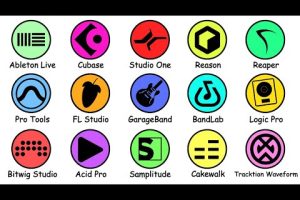
- Digital Audio Workstation (DAW) — This is your central hub. Popular options include Ableton Live, FL Studio, Logic Pro, and Studio One.
- Audio Interface — A device like the Focusrite Scarlett or Universal Audio Apollo ensures clean audio input and output.
- Studio Headphones or Monitors — Accurate monitoring is non-negotiable if you want to make informed mixing decisions.
- Virtual Instruments and Sample Packs — Synth plugins like Serum, Vital, and Kontakt libraries give you endless sonic possibilities.
- MIDI Keyboard or Controller — Essential for playing in melodies, chords, and automation in real time.
Investing in these core tools gives you a solid foundation. You do not need top-of-the-line gear to start, but having reliable equipment removes technical friction and lets you focus on the creative process of building music.
Step-by-Step Guide to Building a Track from Scratch
The process of constructing a song can feel overwhelming at first, but breaking it down into manageable steps makes it approachable for producers at every level. Here is a practical roadmap.
Step 1 — Choose Your Genre and Gather Inspiration
Before touching a single knob, decide what kind of music you want to create. Listen actively to tracks in your chosen genre and take note of their structure, tempo, key, and sound design choices. Collect reference tracks that inspire you and analyze what makes them work. This step is critical because it shapes every decision that follows in the building process.
Step 2 — Set Up Your DAW Session
Create a new project with the appropriate tempo and key signature. Set up your audio and MIDI tracks, organize your workspace with color coding, and load any plugins or virtual instruments you plan to use. A clean session setup saves hours of frustration later on.
Step 3 — Build Your Drum Pattern
For most modern genres, the rhythm section comes first. Start with a kick and snare pattern, then add hi-hats, percussion, and fills. Think about groove and swing — even subtle timing adjustments can make your beat feel alive and human rather than robotic.
Step 4 — Layer Harmonic and Melodic Elements
Now introduce chords, bass lines, and lead melodies. Experiment with different sound combinations and pay attention to how each element interacts with the rhythm. Use EQ and filtering to create space so that no two instruments compete for the same frequency range.
Step 5 — Arrange and Structure Your Track
This is where building music truly comes together as a composition. Map out your arrangement using intro, verse, chorus, bridge, and outro sections. Build tension by gradually adding elements and release it by stripping things back. A well-arranged track keeps the listener engaged from start to finish.
Step 6 — Mix and Polish
Apply compression, EQ, reverb, and automation to balance your track. Pay attention to stereo imaging, bus processing, and loudness. A clean mix makes every element in your production shine.

Comparing Popular DAWs for Building Music
Choosing the right DAW is one of the most important decisions you will make as a producer. Each platform has its strengths and learning curve.
| DAW | Best For | Price Range | Learning Curve |
| Ableton Live | Electronic music, live performance | $99 – $749 | Moderate |
| FL Studio | Beatmaking, hip-hop, pop | $99 – $499 | Beginner-friendly |
| Logic Pro | All-around production, Mac users | $199 (one-time) | Moderate |
| Studio One | Recording, mixing, mastering | $99 – $399 | Moderate |
| GarageBand | Absolute beginners, free option | Free (Mac only) | Very Easy |
Each of these DAWs is capable of producing professional-quality music. The best choice depends on your workflow preferences, budget, and the genre you are working in.
Tips for Producers at Every Level
For Beginners: Focus on learning one DAW deeply rather than hopping between platforms. Start with simple chord progressions and drum patterns. The goal at this stage is to finish tracks, not perfect them — completion teaches you more than endless tweaking ever will.
For Intermediate Producers: Start exploring sound design and synthesis more seriously. Learn how to build custom patches, use sidechain compression effectively, and develop your own signature sound. Collaboration with other producers can also accelerate your growth dramatically.
For Advanced Creators: Push boundaries with unconventional arrangement techniques, advanced automation, and genre-blending. Consider mixing in analog hardware for warmth, or explore AI-assisted music tools as creative companions rather than replacements. At this stage, the focus shifts from technical skill to artistic identity.
Common Mistakes When Building Music
- Skipping the arrangement phase — Many beginners jump straight to mixing without planning their track structure, leading to flat, unengaging songs.
- Overloading the frequency spectrum — Stacking too many competing elements without proper EQ and filtering creates muddy mixes.
- Ignoring reference tracks — Comparing your work to professional productions reveals gaps in loudness, clarity, and balance that you cannot hear in isolation.
- Perfectionism that kills momentum — Spending weeks on a single loop instead of finishing the full track stalls your growth as a producer.
- Neglecting ear fatigue — Long sessions without breaks lead to poor decision-making. Take regular pauses and listen to your mix with fresh ears.
Frequently Asked Questions
How do I start building music if I have no musical background? You do not need formal music training to start building tracks today. Many successful producers began with zero music theory knowledge. Start with a beginner-friendly DAW like FL Studio or GarageBand, follow structured tutorials, and learn by doing. Understanding basic concepts like rhythm, melody, and chord progressions will come naturally through consistent practice.
What is the best way to build music beats for beginners? The simplest starting point is to focus on drum patterns and bass lines. Create a loop with a kick, snare, and hi-hat, then add a simple bass synth underneath it. Once that foundation feels solid, layer in melodic elements and arrange your loop into a full track structure. This incremental approach builds confidence and technical understanding simultaneously.
Can I build music on a laptop without expensive equipment? Absolutely. A modern laptop with at least 8GB of RAM, a pair of studio headphones, and a free or affordable DAW is enough to start producing quality music. You can always upgrade your setup over time as your skills and income grow. The most important investment is your time and dedication to learning.
How long does it take to learn how to build music professionally? This depends entirely on the time you dedicate and your starting point. Most producers report feeling comfortable with basic track construction within 3 to 6 months of consistent practice. Reaching a professional level typically requires 2 to 3 years of focused effort, ongoing learning, and real-world experience releasing music.
What are the best techniques for building tension in a music track? Effective tension-building techniques include gradually introducing new elements, using automation on filter sweeps and volume levels, creating contrast between dense and sparse sections, and strategically placing risers and impacts before transitions. These dynamics keep listeners emotionally invested in your production.
Conclusion
Building music is both an art and a craft that rewards patience, curiosity, and persistence. From choosing the right tools to mastering the nuances of arrangement, mixing, and sound design, every step in the process contributes to the final product. Whether you are laying down your first beat or refining your hundredth track, the journey of music creation never truly ends — it only deepens. Start today, stay consistent, and let your creative instincts guide you as you build music that is uniquely yours.