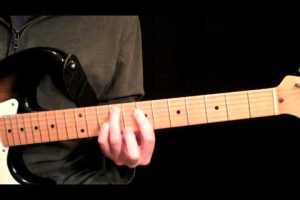
Bluegrass guitar lessons have surged in popularity as more musicians discover the infectious energy, rhythmic drive, and melodic complexity of traditional American roots music. Whether you are picking up a flat-top acoustic for the first time or you have been strumming for years and want to dive into the flatpicking traditions of Earl Scruggs, Doc Watson, and Tony Rice, structured instruction can dramatically accelerate your progress. This guide breaks down everything you need to know about learning bluegrass guitar, from foundational skills for complete beginners to advanced techniques that will set you apart on the jam circle and the stage.
What Bluegrass Guitar Lessons Actually Cover
Bluegrass guitar instruction goes far beyond simple chord strumming. The genre demands a unique blend of rhythm guitar work, lead flatpicking, fingerstyle banjo roll patterns adapted to guitar, and deep knowledge of traditional song forms. A well-designed curriculum for bluegrass guitar lessons typically covers the following core areas:
- Rhythm guitar fundamentals — learning the “boom-chuck” pattern that drives bluegrass ensembles
- Open and barre chord shapes specific to keys commonly used in bluegrass music
- Flatpicking technique — alternate picking, crosspicking, and Carter-style strumming
- Fingerstyle rolls adapted from banjo patterns for solo guitar arrangements
- Scales and improvisation — major, minor pentatonic, and blues scales over bluegrass progressions
- Song repertoire — classic bluegrass tunes, fiddle tunes, and traditional standards
- Ear training — learning to play by ear from recordings and live jams
Why the Rhythm Component Matters So Much
Many beginners underestimate the importance of rhythm guitar in bluegrass. The guitarist often serves as the metronome of the band, locking in with the mandolin and banjo to create that driving, pulse-driven sound. Bluegrass guitar lessons that skip rhythm training leave a critical gap in your playing. Mastering the “boom-chuck” pattern — where the bass note lands on beats one and three while chords chop on the offbeats — is the single most important rhythmic skill you will ever develop as a bluegrass guitarist.
Why Investing in Bluegrass Guitar Lessons Pays Off
You can certainly learn some bluegrass guitar on your own through YouTube tutorials and tablature, but structured lessons offer advantages that self-study simply cannot match. Here is why dedicated instruction matters:
- Proper technique from day one — Bad habits formed early are incredibly difficult to unlearn. A skilled teacher corrects your hand position, posture, and picking mechanics before they become ingrained.
- Real-time feedback — Online lessons and in-person instructors catch subtle errors in your timing, tone, and phrasing that you would never notice on your own.
- Structured progression — A good curriculum moves you logically from simple open chords to complex lead lines without leaving gaps in your knowledge.
- Access to the bluegrass community — Many teachers connect students to local jam sessions, workshops, and bluegrass festivals where real growth happens.
- Motivation and accountability — Regular lessons keep you practicing consistently and provide the encouragement needed during frustrating plateaus.
Whether you choose online bluegrass guitar lessons through platforms like ArtistWorks or JamPlay, or you find a local instructor who specializes in acoustic roots music, the key is consistency. Even twenty focused minutes per day will yield faster results than sporadic longer sessions.
What to Look for in a Bluegrass Guitar Teacher or Program
Not all guitar instructors are equipped to teach bluegrass effectively. When evaluating options for bluegrass guitar lessons, consider these critical factors:
- Genre-specific experience — Look for teachers who actively play bluegrass and Americana music, not just general acoustic guitarists.
- Flatpicking credentials — If your goal is lead playing, confirm the instructor has studied under or been influenced by recognized flatpicking masters.
- Teaching methodology — Does the program use a structured curriculum, or is it entirely à la carte? Both approaches have merit, but beginners benefit from a clear roadmap.
- Video review options — Many modern online platforms allow you to submit recordings for personalized feedback, which is invaluable for self-paced learners.
- Repertoire depth — A good program exposes you to diverse artists like Bill Monroe, the Stanley Brothers, Ricky Skaggs, and contemporary players like Sierra Hull and Molly Tuttle.
Beginner Bluegrass Guitar Lessons: Getting Started
If you are brand new to the instrument, your first few weeks of bluegrass guitar lessons should focus on building a solid foundation. Here is what a typical beginner phase looks like:
Essential Equipment and Setup
Before your first lesson, make sure you have the right gear. A dreadnought or auditorium-style acoustic guitar with light-gauge phosphor bronze strings (around .012 to .053) is the standard choice for bluegrass players. Light strings reduce finger fatigue for beginners while still producing the bright, articulate tone the genre demands. A clip-on tuner, a capo, and a metronome are also essential tools you should have from day one.
First Skills to Master
- Proper left-hand finger placement — Clean fretting without buzzing
- Basic open chords — G, C, D, Em, and Am are the backbone of countless bluegrass songs
- The boom-chuck rhythm pattern — Start slow with a metronome at 60 BPM
- Basic flatpick holding and strumming — Relaxed wrist, angled pick, minimal motion
- Simple melody lines — Single-note exercises on the first string to build picking accuracy
Most beginner bluegrass guitar lessons take four to eight weeks to move through these fundamentals before introducing more complex material. Resist the urge to rush — a shaky foundation will hold you back later.
Intermediate Bluegrass Guitar Lessons: Building Your Skills
Once you have comfortable chord changes and a steady rhythm, intermediate bluegrass guitar lessons introduce the techniques that define the genre’s signature sound. This is where things get exciting.
Flatpicking and Fingerstyle Techniques
At the intermediate level, you will start learning Carter-style scratch patterns, crosspicking rolls, and forward-reverse picking sequences. These techniques allow you to play melody and accompaniment simultaneously, which is the hallmark of solo bluegrass guitar. Study arrangements of classic tunes like “Salt Creek,” “Whiskey Before Breakfast,” and “Wayfaring Stranger” to internalize these patterns.
During this phase, many students also begin exploring chord-melody arrangements, where you interpret fiddle tunes or vocal melodies on the guitar without accompaniment. This is a challenging but deeply rewarding skill that sets accomplished bluegrass guitarists apart from casual players.

Advanced Bluegrass Guitar Lessons: Mastering the Craft
Advanced bluegrass guitar lessons focus on improvisation, stylistic nuance, and performance readiness. Here is what the advanced curriculum typically includes:
- Improvisation over bluegrass chord changes — applying scales, chromatic runs, and double-stops in real time
- Speed and precision training — building the right-hand dexterity needed for breakneck flatpicking tempos
- Tone development — experimenting with guitar setups, string gauges, and playing dynamics to find your voice
- Stagecraft and jam etiquette — knowing when to take a lead break, how to back up a singer, and how to interact with other musicians
- Advanced repertoire — studying the solos of Tony Rice, Doc Watson, Norman Blake, and Brad Paisley for inspiration
At this level, many advanced students pursue mentorship with established bluegrass guitarists or attend intensive workshops and festivals like the Steve Kaufman Acoustic Kamp or the Grey Fox Bluegrass Festival to accelerate their development.
Comparing Online vs. In-Person Bluegrass Guitar Lessons
Choosing between online and in-person instruction depends on your learning style, schedule, and budget. Here is a side-by-side comparison:
| Factor | Online Lessons | In-Person Lessons |
| Flexibility | Watch lessons anytime, pause and rewind | Fixed schedule, must travel |
| Feedback Quality | Video submissions or pre-recorded critique | Immediate, real-time corrections |
| Cost | Generally $20-$50/month | Typically $40-$80 per session |
| Community Access | Online forums and virtual jams | Local jam circles and festivals |
| Curriculum Structure | Self-paced or guided programs | Teacher-customized progression |
| Best For | Self-motivated learners with busy schedules | Students who thrive with direct interaction |
Many serious students combine both approaches — taking online lessons for technique practice and supplementing with periodic in-person sessions for personalized feedback.
Expert Tips for Accelerating Your Bluegrass Guitar Progress
- Slow everything down. Use a metronome at half-speed or slower when learning new licks. Speed is a byproduct of accuracy, not a goal.
- Transcribe solos by ear. Even partial transcription of a Tony Rice or Bryan Sutton solo will train your ear faster than any tablature book.
- Jam as often as possible. Playing with other musicians teaches you timing, dynamics, and responsiveness in ways solitary practice cannot.
- Record yourself regularly. Listening back to recordings of your playing reveals issues with timing, tone, and phrasing that are invisible in the moment.
- Study the history. Understanding the lineage of bluegrass music — from Bill Monroe’s Blue Grass Boys to the Newgrass movement — deepens your musicality and interpretation.

Frequently Asked Questions About Bluegrass Guitar Lessons
How long does it take to get good at bluegrass guitar?
With consistent practice of 20 to 30 minutes daily, most students develop solid rhythm skills within three to six months and begin tackling basic lead arrangements within a year. Reaching an advanced level of flatpicking fluency typically takes two to four years of dedicated study and regular jamming.
Do I need a specific type of guitar for bluegrass lessons?
A dreadnought or parlor-style flat-top acoustic guitar with steel strings is ideal. Avoid nylon-string classical guitars, as they produce a warmer tone that does not cut through the bluegrass mix. Many players prefer guitars from manufacturers like Gibson, Martin, or Collings for their bright, resonant tone.

Can adults with no musical background learn bluegrass guitar?
Absolutely. While some prior familiarity with music is helpful, many successful bluegrass guitarists started as complete beginners in adulthood. The key is patience, consistent practice, and finding an instructor experienced at teaching adult learners.
What is the difference between bluegrass guitar and country guitar lessons?
Bluegrass guitar emphasizes flatpicking, acoustic tone, fast tempos, and improvisation over traditional chord progressions. Country guitar lessons often incorporate electric guitar techniques, pedal steel-inspired licks, and different rhythmic feels. While the genres share roots, the techniques and repertoire differ significantly.
Are bluegrass guitar lessons worth it for someone who already plays folk or acoustic guitar?
Yes, especially if you want to expand into lead flatpicking and authentic bluegrass rhythm techniques. Many folk guitarists find that bluegrass lessons sharpen their flatpicking speed, improve their rhythmic precision, and open up a rich repertoire of traditional tunes that complement their existing skills beautifully.
Bluegrass guitar lessons represent one of the most rewarding investments any acoustic guitarist can make. The genre offers a rich tapestry of technique, tradition, and creative expression that will keep you growing as a musician for decades. Whether you start with your first open chord or tackle a blazing flatpicking solo, the journey through bluegrass guitar is as fulfilling as it is fun. Find the right instructor, commit to consistent practice, and immerse yourself in the music of the masters — and you will find that bluegrass guitar becomes not just a skill, but a lifelong passion.