Choosing the best vocal mic for home studio recording is one of the most impactful decisions any aspiring or established voice artist can make. Whether you are a singer, podcaster, voiceover professional, or musician building your first project, the microphone you select shapes the entire sonic character of your recordings. A home studio setup has evolved dramatically over the past decade, and today’s market offers an exciting range of options at every price point. But with so many condenser microphones, dynamic mics, USB interfaces, and budget-friendly alternatives flooding the internet, the decision can feel overwhelming. This guide cuts through the noise and delivers a detailed breakdown of the best vocal microphones available for home recording environments. You will learn about polar patterns, frequency responses, connectivity types, and real-world performance so you can make a confident, informed purchase that elevates your vocal productions.
Why Your Vocal Microphone Choice Matters
The microphone is often called the “first link in the recording chain,” and for good reason. Your voice passes directly through this device before any processing, mixing, or mastering takes place. A poor-quality microphone introduces coloration, noise, and distortion that even the best digital audio workstation plugins cannot fully repair. On the other hand, a well-matched vocal microphone captures nuance, warmth, detail, and presence, giving you a clean, professional foundation to work from. For a home studio, the environment also matters—small rooms with untreated walls create reflections and resonances that interact with your microphone’s pickup pattern. Understanding how your mic handles these acoustic realities is essential for producing release-ready vocal tracks.
Condenser vs. Dynamic Microphones
The debate between condenser microphones and dynamic microphones dominates every home studio discussion. Condenser mics use a thin, electrically charged diaphragm that vibrates in response to sound waves, delivering exceptional sensitivity and a wide frequency response. They are the go-to choice for capturing detailed vocals, acoustic instruments, and ambient room tones. However, condensers tend to pick up more background noise, room reflections, and handling sounds, which can be problematic in untreated spaces.
Dynamic microphones rely on a coil and magnet system that moves in response to sound pressure. They are less sensitive but more forgiving in noisy environments, making them ideal for untreated bedrooms, dens, or studios with external distractions. Dynamic mics also excel at handling high sound pressure levels, so louder vocalists or aggressive singers won’t overload them. Many legendary vocal recordings were captured with dynamic microphones, proving that “best” does not always mean “most expensive” or “most sensitive.”

Top Vocal Microphones for Home Studios
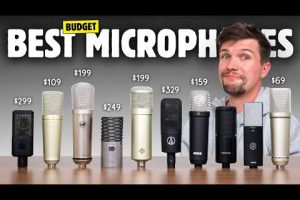
Below is a curated list of the most respected microphones for home vocal recording, spanning beginner-friendly options, intermediate picks, and professional-grade choices that deliver outstanding value.
| Microphone | Type | Connectivity | Price Range | Best For |
| Audio-Technica AT2020 | Condenser | XLR | $100–$130 | Budget vocal clarity |
| Shure SM7B | Dynamic | XLR | $400 | Broadcast-quality warmth |
| Rode NT1 5th Gen | Condenser | XLR | $230 | Ultra-low self-noise recording |
| Rode PodMic | Dynamic | XLR | $100 | Podcasts and voiceover |
| Neumann TLM 102 | Condenser | XLR | $700–$800 | Professional studio vocals |
| SE Electronics sE7 | Condenser | XLR | $150–$180 | Mid-range vocal detail |
| Electro-Voice RE20 | Dynamic | XLR | $450 | Broadcast and vocal presence |
| Blue Yeti | USB Condenser | USB | $100–$130 | Beginner plug-and-play ease |
Condenser Microphones for Detail-Driven Vocalists
If your home studio has decent acoustic treatment or you record in a quiet room, a large-diaphragm condenser microphone will likely deliver the most impressive results. The Audio-Technica AT2020 has been a beloved entry-level choice for years because it captures vocal detail beautifully at a price that beginners can afford without hesitation. The Rode NT1 5th Generation sets a new industry standard for self-noise, sitting below 4 dB-A, which means your recordings sound remarkably clean and quiet even before any post-processing. For those willing to invest in a premium option, the Neumann TLM 102 provides a lush, detailed tonality that professional engineers and producers regularly use for commercial vocal tracking.
USB condenser microphones like the Blue Yeti offer an incredibly appealing shortcut for beginners who want to skip the complexity of audio interfaces. You plug the mic directly into your computer, select a pattern in software, and start recording immediately. While USB mics lack the flexibility and signal purity of traditional XLR setups, they serve as excellent starting points for hobbyists, content creators, and anyone testing the waters of home recording.
Dynamic Microphones for Untreated Spaces
When acoustic treatment is limited, a dynamic microphone becomes your strongest ally. The Shure SM7B is widely regarded as the gold standard for vocal recording in challenging environments. Its tight cardioid pattern rejects off-axis noise, while its warm, smooth frequency response cushions harsh vocal tones. The Electro-Voice RE20 offers a similar quality with a slightly different tonal character—linear and natural—making it a favorite among radio personalities and voiceover artists. The Rode PodMic provides a budget-friendly dynamic option that punches well above its price class, delivering rich, broadcast-ready vocals for podcasters and singers alike.
How to Choose the Right Vocal Microphone for Your Home Studio

Selecting the best vocal mic for your home studio depends on several interconnected factors that go far beyond brand reputation or price alone.

- Your Room Acoustics: If you have soft furnishings, acoustic panels, or a closet setup, a sensitive condenser mic will thrive. In a bare room with hard walls and lots of reflections, a dynamic mic with a tight pickup pattern will minimize background issues significantly.
- Your Recording Interface: Condenser microphones require an audio interface or mixer with 48V phantom power. Dynamic microphones do not need phantom power but benefit from a high-quality preamp with clean gain. If you do not own an audio interface yet, this should influence your microphone decision.
- Your Vocal Style and Volume: Loud, aggressive singers may overload a sensitive condenser and sound better with a dynamic mic. Whispery, intimate vocalists often shine when paired with a large-diaphragm condenser that captures subtle tonal shifts and breath textures.
- Connectivity and Compatibility: XLR mics offer the most professional signal path and future-proof your setup. USB mics provide immediate convenience but limit your ability to upgrade individual components later.
- Budget and Long-Term Value: A $100 microphone that lasts five years and delivers consistent results is often a better investment than a $300 mic purchased out of impatience. Build your studio incrementally rather than chasing the most expensive option upfront.
Expert Tips for Getting the Best Vocal Recordings at Home
Even the best vocal microphone for home studio use will underperform if the setup and technique are lacking. Here are practical strategies to maximize your recording quality immediately.
- Use a pop filter: Place a pop filter or windscreen about 4–6 inches from the microphone to reduce plosive sounds like “p” and “b” that create harsh bursts of air.
- Maintain consistent distance: Keep your mouth roughly 6 to 8 inches from the mic. Moving closer or farther dramatically changes the tonal balance and room resonance captured in the recording.
- Record in a quiet time: Home environments have unpredictable noise—appliances, HVAC systems, traffic, and neighbors. Recording during quieter hours and turning off unnecessary electronics dramatically improves signal-to-noise ratio.
- Use microphone stand with a shock mount: Vibration transfer from your desk, floor, or accidental bumps can introduce low-end rumble. A quality shock mount isolates the mic from mechanical noise.
- Layer performances: Many professional vocals are recorded as doubles or takes, then blended together for a fuller sound. Even with a single home studio microphone, recording multiple passes and comping the best takes creates a polished result.
- EQ and light processing: Apply subtle EQ cuts around 200–400 Hz to reduce boxiness and high-pass filters below 80 Hz to remove rumble. Keep processing minimal in the recording stage; you want maximum flexibility during mixing.
Which Vocal Microphone Delivers the Best Value?
The “best” microphone ultimately depends on your specific situation, but for most home studio owners, the sweet spot lies in microphones that balance price, sound quality, and versatility. The Audio-Technica AT2020 delivers outstanding vocal clarity under $150 and pairs beautifully with any basic XLR audio interface. The Rode NT1 5th Generation offers a near-silent self-noise floor that competitors charge twice as much for. For those who prefer a dynamic approach, the Shure SM7B and Rode PodMic represent two ends of a spectrum—professional broadcast quality and accessible home recording—both of which reward the investment with years of reliable vocal capture.
Conclusion
Finding the best vocal mic for home studio recording is less about chasing a single “perfect” product and more about matching the microphone to your environment, skill level, and creative goals. Whether you start with a budget-friendly large-diaphragm condenser like the AT2020, invest in a broadcast-quality dynamic like the SM7B, or plug directly into your computer with a USB condenser, the most important step is simply starting. Your vocal performances will improve over time, and your microphone will faithfully capture that growth if you choose with intention. Pair your microphone with proper technique, a thoughtful recording space, and a willingness to learn, and you will produce vocal tracks that sound professional and compelling—no matter what your home studio setup looks like today.
Frequently Asked Questions
What is the best vocal mic for a beginner home studio?
The Audio-Technica AT2020 and Blue Yeti are widely considered the best vocal microphones for beginners. The AT2020 offers superior XLR audio quality and pairs with any basic audio interface, while the Blue Yeti provides the convenience of USB connectivity with no additional equipment needed. Both deliver excellent vocal clarity at an affordable price point that makes them ideal starting microphones for anyone entering home recording.
Do I need an audio interface to use a vocal microphone at home?
Yes, if you choose a traditional XLR condenser or dynamic microphone, you need an audio interface with a microphone input and 48V phantom power to connect it to your computer. USB microphones bypass this requirement entirely, connecting directly via USB cable. However, an audio interface provides cleaner preamps, lower latency, and the flexibility to upgrade your microphone chain over time, making it the recommended path for serious home studio vocal recording.
Can I record vocals with a dynamic microphone in an untreated room?
Absolutely. Dynamic microphones like the Shure SM7B and Rode PodMic are specifically designed to reject off-axis background noise and room reflections, making them excellent choices for untreated bedrooms or shared spaces. Their tighter pickup patterns ensure that your voice is captured cleanly while minimizing the impact of hard surfaces, echo, and ambient noise that untreated rooms typically produce during recording sessions.
What polar pattern is best for home vocal recording?
A cardioid polar pattern is generally the best choice for home vocal recording because it picks up sound primarily from the front of the microphone while rejecting noise from the sides and rear. This single-pattern focus minimizes room reflections and background sounds, giving you a cleaner vocal track. Some microphones also offer switchable patterns like cardioid and omnidirectional, which provides additional flexibility for different recording scenarios.
How much should I spend on a home studio vocal microphone?
You can achieve excellent vocal recordings with microphones in the $100 to $250 range, which covers outstanding options like the Audio-Technica AT2020, Rode NT1, Rode PodMic, and SE Electronics sE7. Spending more enters the realm of incremental improvements and premium build quality rather than dramatic leaps in sound quality. The best approach is to set a realistic budget, own your space, and choose a microphone that matches your acoustic environment before escalating your investment.