Music is one of the most powerful forms of human expression, and every generation has left its unmistakable fingerprint on how we create, perform, and listen to sound. Understanding the eras of music gives you a deeper appreciation for how today’s genres evolved, how instruments and production techniques transformed over time, and why certain songs feel the way they do. Whether you are a curious beginner building your first playlist or a dedicated listener trying to trace the roots of your favorite tracks, exploring music history opens up a world of context that makes every listening session richer. From the structured elegance of Baroque compositions to the boundary-pushing production of modern electronic music, each era tells a story about the culture, technology, and emotions of its time.
The Major Eras of Music: A Comprehensive Timeline
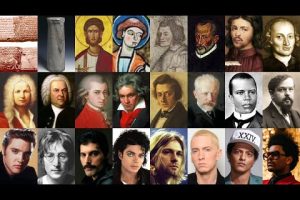
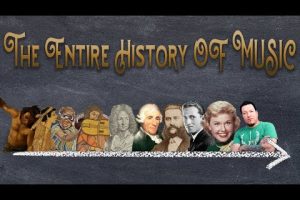
Music history is typically divided into distinct periods based on stylistic characteristics, instrumentation, cultural shifts, and compositional techniques. While scholars categorize these periods slightly differently, the most widely recognized eras span several centuries and include both Western classical traditions and the explosion of popular music in the twentieth century. Each era did not simply replace the last in a straight line — they overlapped, influenced each other, and sometimes revived earlier sounds with modern twists.
The classical music world recognizes periods such as the Medieval, Renaissance, Baroque, Classical, and Romantic eras, each defined by specific musical forms, tuning systems, and aesthetic philosophies. After these foundational centuries, the twentieth century shattered many of those conventions and gave birth to jazz, blues, rock and roll, soul, funk, hip-hop, electronic dance music, and countless subgenres that continue to evolve today. Understanding these eras of music helps you recognize patterns, appreciate innovation, and connect the dots between artists who might seem worlds apart.
How Each Music Era Shaped Modern Sound
The Classical Era (1730–1820)
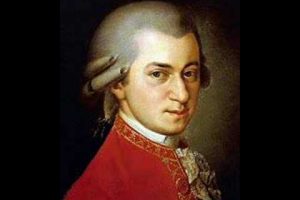
The Classical music era is often misunderstood because the word “classical” is used colloquially to describe all orchestral and formal music. In reality, the Classical period specifically refers to a roughly 90-year window that emphasized clarity, balance, and structured forms like the sonata, symphony, and concerto. Composers such as Wolfgang Amadeus Mozart and Ludwig van Beethoven were central figures whose work established harmonic progressions and orchestral arrangements that remain foundational to Western music education and film scoring today.
Key characteristics of the Classical era include:
- Structured forms like sonata-allegro and rondo
- Emphasis on melody and harmonic clarity over ornamental complexity
- Standardization of the modern orchestra with strings, woodwinds, brass, and percussion
- Dynamic contrasts between loud and soft passages
The Romantic Era (1820–1900)
If the Classical era prized restraint and balance, the Romantic era threw open the doors to emotional intensity and individual expression. Composers like Frédéric Chopin, Pyotr Ilyich Tchaikovsky, and Richard Wagner pushed boundaries with lush orchestration, expanded harmonic vocabulary, and dramatically long compositions. The Romantic period also saw the rise of virtuoso performers and the idea of the composer as a passionate, almost mythic figure.
What makes this era so relevant today is its influence on film soundtracks, progressive rock, and even modern lo-fi and ambient music. The emotional weight and storytelling quality of Romantic-era compositions directly inspired twentieth-century musicians who wanted their music to evoke deep feelings and vivid narratives.
The Rise of Popular Music Eras
The Jazz Age (1920s–1940s)
The Jazz Age marked a seismic shift in American music and culture. Emerging from African American communities in New Orleans, jazz introduced improvisation, syncopated rhythms, and complex harmonies that challenged the structured forms of earlier Western music. The swing era of the 1930s and 1940s brought jazz into mainstream ballrooms, and artists like Duke Ellington, Louis Armstrong, and Ella Fitzgerald became household names.
Jazz laid the groundwork for virtually every popular music genre that followed. Bebop in the 1940s pushed improvisation to new levels of technical complexity, while cool jazz and hard bop in the 1950s and 1960s explored mood and texture. Modern genres like neo-soul, hip-hop sampling, and lo-fi jazz rap all owe a massive debt to the innovations of this period.
Rock and Roll Revolution (1950s–1960s)
Rock and roll erupted in the 1950s as a fusion of rhythm and blues, country, gospel, and electric blues. Artists like Chuck Berry, Little Richard, and Elvis Presley brought electrified, high-energy music to teenagers around the world. The British Invasion of the 1960s, led by The Beatles and The Rolling Stones, transformed rock into a global cultural force that blended pop melody with gritty guitar riffs and rebellious lyrics.
The 1960s also saw the emergence of psychedelic rock, progressive rock, and folk rock, each subgenre pushing the boundaries of what a song could be in terms of length, instrumentation, and lyrical content. This era established the template for the modern music industry: albums as artistic statements, concert touring as a revenue model, and youth culture as a driving force behind commercial success.
Hip-Hop and Electronic Movements (1980s–Present)
The 1980s and 1990s brought two of the most influential popular music eras of the modern age: hip-hop and electronic dance music. Hip-hop originated in the Bronx, rooted in DJ culture, block parties, and spoken-word poetry over breakbeats. Artists like Grandmaster Flash, Public Enemy, and A Tribe Called Quest used the genre to address social injustice, urban life, and personal identity in ways that mainstream rock had rarely attempted.
Electronic music evolved simultaneously, from the synthesizer-driven pop of the 1980s to the underground rave scenes of the 1990s and the massive festival culture of the 2000s and 2010s. Genres like house, techno, drum and bass, dubstep, and EDM each carved out dedicated global audiences and influenced mainstream pop production, from the use of synthesizers to the structuring of songs around drops and build-ups.
Music Era Comparison: Key Characteristics

The table below provides a side-by-side comparison of the major eras of music to help you quickly identify defining traits, key instruments, and cultural contexts for each period.
| Era | Time Period | Defining Characteristics | Key Artists |
| Baroque | 1600–1750 | Ornamental melodies, basso continuo, counterpoint | Bach, Handel, Vivaldi |
| Classical | 1730–1820 | Structured forms, balanced phrases, orchestral clarity | Mozart, Beethoven, Haydn |
| Romantic | 1820–1900 | Emotional expression, expanded harmony, virtuosity | Chopin, Wagner, Tchaikovsky |
| Jazz Age | 1920s–1940s | Improvisation, swing rhythms, syncopation | Louis Armstrong, Duke Ellington, Ella Fitzgerald |
| Rock and Roll | 1950s–1960s | Electric guitars, rebellious energy, youth culture | The Beatles, Elvis Presley, Chuck Berry |
| Hip-Hop | 1980s–Present | Sampling, beatboxing, lyrical storytelling, breakbeats | Grandmaster Flash, Tupac, Kendrick Lamar |
| Electronic / EDM | 1980s–Present | Synthesizers, digital production, dance-focused structure | Daft Punk, Kraftwerk, Skrillex |
How to Explore Different Music Eras as a Listener
One of the best ways to deepen your understanding of music history is to actively listen across eras rather than staying in your comfort zone. Start by building a playlist that moves chronologically through the decades, paying attention to how production techniques, instrumentation, and lyrical themes change over time.

Here are some practical steps to get started:
- Pick one era per week and listen to at least five full albums from that period.
- Read liner notes, artist biographies, or music history articles to understand the context behind the recordings.
- Compare live recordings with studio versions to hear how performance styles differed from era to era.
- Use streaming platforms that curate playlists by decade or genre to discover both well-known and obscure tracks.
- Attend live performances or watch concert documentaries that capture the energy of a specific era.
Expert tip: pay attention to production quality and recording technology. The shift from analog tape to digital recording in the 1980s and 1990s changed not just the sound of music but also how artists approached composition and mixing. This is one of the most overlooked factors when studying the evolution of different music eras.
Frequently Asked Questions
What is the best way to start exploring different eras of music for a complete beginner?
The most effective approach is to start with one genre you already enjoy and trace its roots backward. For example, if you love modern hip-hop, explore the 1980s golden age, then move into 1970s funk and soul, and eventually into jazz and blues. This backward-tracing method creates natural curiosity and makes each era feel connected rather than disconnected.
Which music era had the greatest influence on today’s popular songs?
Most music analysts point to the 1960s and 1970s as the most influential period for modern pop, rock, R&B, and hip-hop. The recording innovations, genre-blending, and cultural revolutions of that decade established production techniques, song structures, and artistic philosophies that still shape the charts today.
How do music eras differ from music genres?
A music era refers to a time period defined by shared cultural, technological, and stylistic trends, while a genre is a specific category of musical style. For instance, the 1980s was an era that contained multiple genres such as synth-pop, hip-hop, new wave, and hair metal. Understanding this distinction helps you place artists and sounds in their proper historical context.
Is there a consensus among music historians about how many distinct eras exist?
No, there is no single universal classification system. Academic musicologists tend to break Western art music into six or more periods, while popular music historians often organize eras by decade or cultural movement. The most useful framework is the one that helps you understand the music you personally listen to and enjoy.
Can listening to music from different eras improve your musicianship or production skills?
Absolutely. Studying how different eras approached arrangement, mixing, and songwriting gives producers and musicians a broader toolkit. For example, learning how Motown engineers used compression and reverb in the 1960s can directly inform how you mix modern tracks, while studying Baroque counterpoint can improve your harmonic sense and melodic writing.
Final Thoughts
The eras of music are not just academic categories — they are living chapters in the ongoing story of human creativity. Every era built on what came before it, borrowed from other cultures, responded to political and social upheaval, and leveraged new technology to push artistic boundaries further than ever thought possible. By taking the time to explore these periods with intention and curiosity, you transform yourself from a passive listener into an informed, engaged music lover who hears layers of meaning in every song. The more eras you explore, the more you realize that music history is not a series of isolated moments but a continuous, interconnected conversation that is still being written right now.