If you have ever felt like you intuitively “get” why certain stories hit differently depending on their type, you are already thinking like someone with genre savvy. The universal genre savvy guide is a framework that helps writers, filmmakers, game designers, and content creators decode the unwritten rules that define audiences’ expectations across every storytelling medium. Whether you are a novelist refining your next thriller, a screenwriter pitching a streaming series, or a tabletop RPG designer building a world, understanding genre deeply is no longer optional — it is a competitive advantage. This guide breaks down the philosophy, mechanics, and advanced techniques of genre awareness so you can craft work that resonates powerfully with the right readers and viewers.

What Is the Universal Genre Savvy Guide?
The universal genre savvy guide is a comprehensive approach to understanding, applying, and intentionally bending the conventions of literary and media genres. “Genre savvy” describes a creator’s or audience member’s deep familiarity with genre norms — the shared vocabulary, tropes, pacing structures, character archetypes, and emotional beats that define a category of work. Being “genre savvy” means you can both honor what audiences expect and surprise them in meaningful ways.
This guide is called “universal” because the principles of genre awareness transcend medium. The core mechanics that make a horror story effective overlap significantly with what makes a suspenseful video game level or a tense courtroom drama compelling. By studying genre through this broad, cross-medium lens, creators gain a toolkit that applies to fiction writing, screenwriting, game narrative design, comic books, podcasts, and even marketing storytelling.
Why Genre Savvy Matters Across All Creative Fields
Audiences arrive at a story already carrying a set of expectations. These expectations are shaped by years of consuming media within specific genres. When a creator understands those expectations deeply, they gain the power to fulfill, subvert, or reinvent them. Here is why genre savvy is a non-negotiable skill for modern creators.
- Audience alignment: Readers and viewers self-select into genres. Meeting genre conventions builds trust; violating them without intention can alienate your core audience.
- Emotional precision: Genre maps out the emotional journey. Knowing when to deliver relief, tension, or catharsis depends entirely on genre logic.
- Market positioning: Publishers, agents, and streaming platforms categorize content by genre. Understanding genre helps you position your work for the right audience and the right market.
- Creative innovation: The most celebrated breakthroughs in storytelling happen when creators deeply understand genre and then intentionally push its boundaries.
Core Principles of the Universal Genre Savvy Guide
At its foundation, the genre savvy framework rests on three interconnected principles that every creator should internalize. These principles scale from beginner fundamentals to advanced techniques.
Principle 1: Master the Conventions Before You Break Them
The first and most important rule of genre savvy is to learn the rules deeply. Every genre has a recognizable set of conventions — story structures, character types, tonal registers, pacing patterns, and thematic concerns. Before you can creatively subvert those conventions, you must know them intimately. This means reading widely within your genre, studying classic and contemporary works, and analyzing what makes each genre tick at a structural level.
Principle 2: Understand the Contract Between Creator and Audience
Every genre establishes an implicit contract with its audience. A romance reader expects an emotionally satisfying resolution. A horror fan expects to feel fear or dread. A mystery reader expects fair play clues and a satisfying reveal. Genre savvy means honoring this contract while finding fresh ways to deliver on its promises. When you break the contract, you must do so intentionally and meaningfully, not accidentally.
Principle 3: Blend and Hybridize with Purpose
Modern audiences increasingly gravitate toward genre blending — works that combine elements from multiple genres to create something fresh. However, effective genre blending requires understanding each source genre well enough to integrate them without diluting the strengths of either. The universal genre savvy guide teaches you to approach hybridity as a deliberate creative strategy, not a random mix-and-match experiment.
Applying the Genre Savvy Framework: Beginner to Advanced
Beginner Level: Understanding Genre Fundamentals
If you are new to genre analysis, start by identifying the major genres and their core conventions. Familiarize yourself with the primary categories and their defining characteristics:
- Literary fiction: Character-driven, thematic depth, stylistic experimentation, ambiguous endings
- Mystery and thriller: Crime, investigation, suspense, puzzle-solving, escalating stakes
- Science fiction: Speculative technology, futuristic settings, exploration of societal impacts
- Fantasy: Magic systems, secondary worlds, mythic archetypes, epic scope
- Horror: Fear, dread, the unknown, escalating tension, survival themes
- Romance: Emotional connection, relationship arcs, satisfying resolution, character growth
- Historical fiction: Real-world settings, period-accurate details, blending factual and fictional narratives
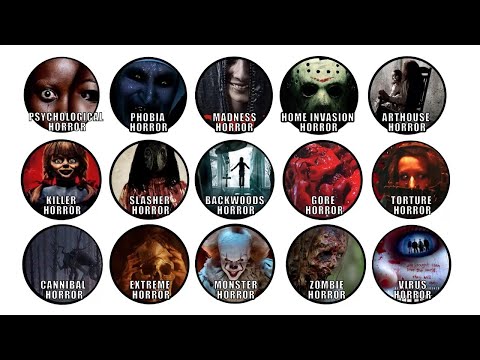
Spend time reading award-winning works in each of these categories. Pay attention not just to plot but to pacing, tone, character types, and how each story resolves its central tension. This foundational study builds your genre vocabulary and trains your instincts.
Intermediate Level: Reading Between the Lines of Genre Expectations
At the intermediate level, you begin to analyze why conventions exist rather than just what they are. Ask yourself questions like:
- What emotional need does this genre fulfill for its audience?
- How does the structure of this genre create tension and release?
- What are the unspoken rules that audiences notice when they are broken?
- How do sub-genres within a larger genre create distinct reader experiences?
At this stage, you start noticing patterns across genres. You see how a thriller’s pacing structure borrowed from horror creates a new kind of tension. You recognize how fantasy world-building techniques can enrich science fiction settings. This cross-pollination is where creative originality begins to emerge.
Advanced Level: Subverting and Innovating Within Genre
Advanced genre savvy involves deliberate convention subversion — taking audience expectations and strategically redirecting them to create new emotional experiences. Writers like Ursula K. Le Guin, Michael Chabon, and genre-blending filmmakers like Jordan Peele have mastered this skill. They understood genre so deeply that their departures from convention feel both surprising and inevitable.
Advanced techniques include:
- Trope inversion: Taking a well-known trope and flipping its expected outcome to create fresh meaning.
- Genre defamiliarization: Presenting genre conventions through an unfamiliar lens — cultural, structural, or tonal — to make audiences see them anew.
- Meta-genre commentary: Using the genre itself as a thematic subject, commenting on the nature of genre expectations from within the story.
Genre Savvy Across Media: A Comparison
The universal nature of genre savvy means its principles apply differently depending on the medium. Here is a comparison of how genre conventions manifest across key storytelling formats.
| Medium | Primary Genre Conventions | Audience Expectation Drivers | Innovation Opportunities |
| Novels | Narrative voice, chapter structure, prose style, pacing | Literary awards, bestseller lists, book communities | Experimental structure, unconventional POV, hybrid forms |
| Film | Visual language, editing rhythm, score, shot composition | Box office, festival circuit, streaming algorithms | Genre fusion, nonlinear storytelling, visual world-building |
| Video Games | Gameplay mechanics, level design, player agency | Metacritic, Steam reviews, live-service engagement | Interactive narrative, emergent storytelling, procedural generation |
| Podcasts | Audio pacing, voice performance, sound design | Subscription retention, word-of-mouth, episode length | Found audio format, multi-perspective narration, real-time unfolding |
| Comics & Graphic Novels | Panel layout, visual pacing, color palette, lettering | Conventions, digital platform metrics, collected edition sales | Nonlinear page design, mixed media, multimedia integration |
As you can see, while the underlying genre logic remains consistent across media, its expression changes dramatically based on format constraints and audience interaction models. This is precisely why the guide is “universal” — it gives you a mental framework that translates across these contexts.
Expert Tips for Building Your Genre Savvy Instincts
Developing genuine genre savvy is a practice, not a one-time study session. Here are expert-level strategies to deepen your skills continuously:
- Read and watch widely within your genre and adjacent genres. Exposure is the foundation of pattern recognition. The more genre works you consume, the more your brain naturally internalizes conventions and exceptions.
- Reverse-engineer stories you love. When a story moves you, pause and analyze why. Identify the genre conventions at work and the specific choices the creator made to fulfill or subvert those conventions.
- Study the business side of genre. Understanding how genres are marketed, categorized, and trended gives you insight into audience behavior that pure creative analysis cannot provide.
- Build a personal trope database. Keep notes on recurring tropes, archetypes, and narrative patterns you encounter. Over time, this database becomes an internal reference library that informs every creative decision you make.
- Seek feedback from genre-savvy readers. People with deep genre knowledge will catch convention violations you might miss. Their feedback is invaluable for calibrating how intentional your choices feel.
- Experiment deliberately. Once you understand genre conventions, intentionally write outside them. Then write again, deliberately honoring them. This oscillation builds the flexibility that defines true genre mastery.
Conclusion
The universal genre savvy guide is more than a set of rules — it is a way of seeing stories. When you develop genre savvy, you gain the ability to read and create with a deeper understanding of why narratives work, where they can surprise, and how to connect with audiences on a level that feels both familiar and fresh. Whether you are at the beginner stage learning the basics or at the advanced level pushing creative boundaries, genre awareness remains one of the most powerful tools in any storyteller’s arsenal. Start studying your favorite genres with intention, apply these principles in your own work, and watch your creative output transform.
Frequently Asked Questions
What does “genre savvy” actually mean in practical terms?

Genre savvy refers to a deep, intuitive understanding of the conventions, expectations, and audience contracts associated with specific storytelling categories. In practical terms, a genre-savvy writer can craft scenes that feel satisfying to readers because they either honor or knowingly bend the unwritten rules of that genre — and they can explain exactly why their choices work.
How is genre savvy different from simply knowing genre tropes?
Knowing tropes is memorization; genre savvy is internalized fluency. A person who knows tropes can list them. A genre-savvy creator understands how tropes function structurally and emotionally, can deploy them with intention, and can blend, invert, or transcend them to create original work that still resonates with genre audiences.
Can genre savvy help with cross-genre or hybrid writing projects?
Absolutely. Genre savvy is especially valuable for cross-genre and hybrid projects because it gives you the knowledge base to integrate multiple genre conventions cohesively. Rather than creating a confused mess of clashing expectations, a genre-savvy hybrid creator can design a work where each genre element reinforces the others.
Is genre savvy only useful for fiction writers?
No. Genre savvy applies to screenwriters, game designers, podcasters, comic creators, filmmakers, and even marketers. Any creator working within an established category of audience expectation benefits from understanding genre conventions deeply. The universal framework adapts to any narrative medium.
How long does it take to develop genuine genre savvy?
Genre savvy develops through consistent, deliberate engagement with genre content over months and years. Beginners can start noticing patterns within weeks of focused reading, but deep genre fluency — the kind that enables confident innovation — typically requires sustained practice, extensive consumption, and active analysis of hundreds of works within your chosen genres.