If you have ever dreamed of sitting down at a piano and playing beautiful music but felt overwhelmed by the learning curve, the truth is that easy piano for beginners is far more accessible than most people assume. Whether you are an adult picking up the instrument for the first time or a young student exploring keyboard fundamentals, the path to playing recognizable songs quickly has never been clearer. Modern learning methods, digital tools, and beginner-friendly resources have transformed the landscape of beginner piano lessons, making it possible for anyone to start producing real music within days—not months. This guide walks you through everything you need to know about starting your piano journey the right way, from understanding basic keyboard layout to choosing the easiest songs that will keep you motivated and excited to practice every single day.
Why Easy Piano for Beginners Is the Best Starting Point
The biggest mistake new learners make is diving into complex sheet music or advanced technique exercises before building a solid foundation. Learning piano for beginners works best when it follows a progressive structure that introduces concepts gradually. Starting with easy piano pieces and simple finger exercises builds muscle memory, boosts confidence, and creates a positive emotional connection with the instrument. When beginners experience early wins—like playing a full melody of “Twinkle Twinkle Little Star” or “Chopsticks”—they are far more likely to stick with practice and eventually tackle more challenging repertoire.
Research in music education consistently shows that beginner-friendly piano instruction reduces dropout rates significantly. The psychology is straightforward: when learners feel capable and see tangible progress, they stay engaged. Starting with simplified arrangements also means you spend less time frustrated over difficult passages and more time enjoying the music you are creating.
What Makes Piano Easy for Beginners?
Understanding the Piano Keyboard Layout

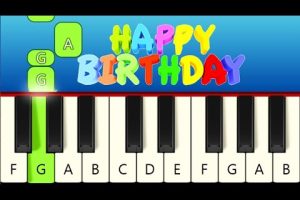
The piano keyboard follows a repeating pattern of twelve notes across octaves. For beginners, the key is learning the layout of white keys and black keys before worrying about music theory jargon. The white keys correspond to the natural notes—C, D, E, F, G, A, and B—while the black keys represent sharps and flats. Once you understand this pattern, navigating the keyboard becomes intuitive.
Start by finding middle C, which is the C note located near the center of the keyboard. This becomes your reference point. From middle C, you can practice simple five-finger scales that only use the white keys, making early piano exercises for beginners feel manageable and rewarding.
Essential Skills Every Beginner Needs
Before tackling full songs, beginners should develop a few core skills that make everything else easier down the line:
- Proper hand positioning — keeping fingers curved and relaxed prevents strain and improves dexterity
- Reading basic sheet music — understanding the treble clef and bass clef staff lines
- Rhythm and timing — learning to count beats and play in tempo
- Finger independence — practicing simple finger exercises like Hanon warm-ups or finger stretches
- Pedal basics — understanding when and how to use the sustain pedal for a richer sound
Mastering these foundational skills through simple piano exercises creates a framework that supports every song you will learn afterward. Skipping these basics often leads to bad habits that are difficult to correct later.
Best Easy Piano Songs for Beginners
Choosing the right songs is critical for maintaining motivation during the early stages of learning to play piano. The best beginner songs share common characteristics: simple melodies, repetitive chord progressions, and a manageable tempo. Here is a curated list of the easiest piano songs that deliver the most satisfaction for the least effort:
- Ode to Joy (Beethoven) — a single-hand melody that teaches note recognition
- Chopsticks — a classic two-hand duet perfect for absolute beginners
- Für Elise — simplified versions are widely available and sound impressive
- Let It Be (The Beatles) — straightforward chord progressions in C major
- River Flows in You (Yiruma) — beginner arrangements are popular for their gentle flow
- Canon in D — simplified piano versions work beautifully for developing coordination
- Hallelujah (Leonard Cohen) — a slow, emotional piece ideal for practicing chord transitions
Each of these songs can be found in easy piano sheet music format online, often with note letters written directly on the staff to help beginners read music without prior theoretical knowledge.
Easy Piano vs. Traditional Piano Learning: A Comparison
Not all approaches to beginner piano education are created equal. Understanding the differences between traditional methods and modern, simplified learning paths helps you choose the approach that fits your goals and schedule.
| Aspect | Traditional Piano Learning | Easy Piano for Beginners |
| Time to First Song | 4–8 weeks before playing recognizable music | 1–3 days to play simplified songs |
| Sheet Music Complexity | Full orchestral arrangements and classical scores | Simplified arrangements with note letters and chord symbols |
| Focus | Technical precision, sight-reading, classical theory | Enjoyment, quick wins, chord-based playing |
| Motivation Level | Can be low early on due to slow progression | High, because learners hear results quickly |
| Cost | Often requires private instructor (higher cost) | Many free apps, YouTube tutorials, and digital courses |
| Flexibility | Structured curriculum with less room for personal choice | Learners choose songs they love and progress at their own pace |
The most effective approach for most people combines elements of both worlds: starting with easy piano for beginners to build confidence and musicality, then gradually incorporating traditional theory and technique as skills develop.
Recommended Resources for Learning Easy Piano
The digital age has opened up an incredible range of tools for learning piano for adults and younger students alike. Here are some of the most effective resources that make beginning piano approachable:
- Simply Piano by JoyTunes — an interactive app that listens to your playing and provides real-time feedback on accuracy and timing
- Flowkey — offers a massive library of songs at multiple difficulty levels, with video demonstrations and sheet music scrolling in sync
- YouTube channels — channels like Pianote, PianoTV, and HDpiano offer free beginner tutorials for popular songs
- MuseScore — a free platform with community-uploaded easy piano arrangements in downloadable format
- Alfred’s Basic Adult Piano Course — a well-regarded physical book series designed specifically for adult beginners
- Yousician — gamified learning that makes daily practice feel fun and rewarding
When selecting a resource, look for platforms that include beginner piano exercises, visual feedback, and a library of songs you actually want to play. Engagement is the single most important factor in long-term success.
Expert Tips to Accelerate Your Beginner Piano Journey
Even with the easiest songs, progress depends on how you practice. Here are expert-recommended strategies that separate fast learners from those who plateau:
- Practice daily for at least 15 minutes — consistency matters far more than marathon sessions on weekends
- Slow down and build speed gradually — play each hand separately at a slow tempo before combining them
- Use a metronome — developing a strong internal sense of timing early prevents rhythmic problems later
- Focus on one song at a time — resist the urge to jump between multiple pieces; mastery requires repetition
- Record yourself regularly — listening back reveals timing issues and areas for improvement that are hard to notice while playing
- Learn chords alongside melody — understanding chord progressions unlocks the ability to play popular songs by ear
These tips for learning piano may seem simple, but they are grounded in how the brain acquires motor skills and musical patterns. The most successful beginner pianists are not necessarily the most talented—they are the most consistent.
How to Choose the Right Keyboard for Beginner Piano Practice
While a traditional acoustic piano is ideal, many beginners start with a digital keyboard. When choosing a beginner-friendly keyboard for piano learning, consider these factors:
- Key count — a full-size 88-key keyboard is best, but 61 or 76 keys are acceptable for absolute beginners
- Weighted keys — weighted or semi-weighted keys simulate the feel of an acoustic piano and develop proper finger strength
- Touch sensitivity — keys that respond to how hard you press help develop dynamics and expression
- Built-in learning features — some keyboards include lesson modes, light-up keys, and guided practice functions
- Price range — quality beginner keyboards are available between $100 and $400, making piano accessible without a large investment
Investing in a decent keyboard with weighted action is one of the best decisions you can make for your long-term progress in easy piano for beginners training.

Conclusion
Easy piano for beginners is not a watered-down version of real music education—it is a strategic, joy-driven approach that gets people playing the instrument they love as quickly as possible. By starting with simplified arrangements, building foundational skills through targeted exercises, and using the right digital tools, anyone can experience the profound satisfaction of making music on the piano. The key is to stay consistent, choose songs you genuinely enjoy, and celebrate small victories along the way. Your piano journey starts with a single note, and from there, the possibilities are truly endless.
Frequently Asked Questions
What is the easiest way to learn piano as a complete beginner?
The easiest way to learn piano for absolute beginners is to combine an interactive learning app like Flowkey or Simply Piano with daily practice of simplified songs using note-letter guides. This approach allows you to hear real music immediately while gradually developing reading skills and finger coordination without the frustration of traditional notation-heavy methods.
How long does it take to play easy piano songs as a beginner?
Most dedicated beginners can play simple songs like “Ode to Joy” or “Chopsticks” within one to two weeks of consistent daily practice. Factors like prior musical experience, hand size, and the amount of time spent practicing each day all influence the timeline for reaching this milestone.
Do I need a full 88-key piano to start learning as a beginner?
No, you do not need a full 88-key piano to start. A 61 or 76-key digital keyboard is perfectly suitable for beginners learning easy piano songs, as most beginner repertoire uses only a limited range of notes. However, upgrading to a full-size 88-key weighted keyboard within the first year is recommended for developing proper technique and touch sensitivity.
Can adults learn easy piano effectively even if they have no musical background?
Absolutely. Adults learning piano bring cognitive advantages such as better pattern recognition, discipline, and goal-setting ability compared to younger learners. Many adult beginner piano courses are specifically designed for people with no prior musical background, starting from the very basics of keyboard layout and note identification.
What are the best beginner piano songs for adults who want quick results?
The best beginner piano songs for adults seeking quick results include “Let It Be” by The Beatles, “River Flows in You” by Yiruma, and “Hallelujah” by Leonard Cohen—all of which have widely available simplified arrangements that use basic chord progressions in C major and require minimal reading ability to start playing within days.