A chord sheet guitar is one of the most essential tools in a guitarist’s toolkit, whether you are a complete beginner picking up the instrument for the first time or a seasoned player rehearsing for a live gig. Unlike traditional sheet music that demands fluency in standard notation, a guitar chord sheet simplifies the entire process by presenting chord symbols, rhythmic patterns, and lyrics in a compact, visually intuitive format. This approach has democratized music learning, allowing millions of players worldwide to strum along to their favorite songs without years of formal training. In this comprehensive guide, we will explore everything from the basics of reading chord charts to advanced strategies that will elevate your guitar playing to the next level.
What Is a Chord Sheet Guitar and Why Does It Matter?
A chord sheet guitar document is a simplified form of musical notation that tells a guitarist which chords to play and when to play them, typically paired with lyrics and a basic rhythmic structure. Think of it as a roadmap for your playing session. Instead of reading every single note on a staff, you see symbols like C, G7, Am, and Dm positioned above the lyrics of a song. This format is incredibly powerful because it removes the barrier of music theory complexity and lets you focus on the joy of playing.
Chord sheets are widely used in genres ranging from folk, country, and pop to jazz, blues, and rock. They serve as the backbone for songwriters, session musicians, worship bands, campfire players, and music teachers alike. The beauty of a chord sheet lies in its versatility — you can interpret it simply by strumming basic open chords, or you can use it as a springboard for creative arrangement, improvisation, and personal expression.
For many guitarists, the chord sheet is the first document they ever interact with. It introduces the concept of harmonic structure, chord progressions, and the relationship between lyrics and music in a way that is immediately accessible and deeply satisfying.

How to Read a Chord Sheet for Guitar
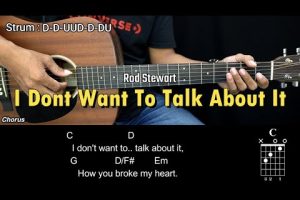
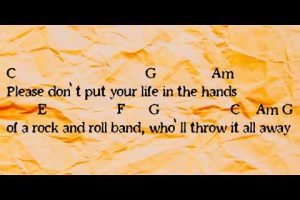
Reading a chord sheet might look intimidating at first glance, but the fundamentals are surprisingly straightforward once you understand the core components. A well-structured guitar chord sheet typically includes three main elements: chord symbols, lyrics, and rhythmic or strumming indicators.
Understanding Chord Symbols
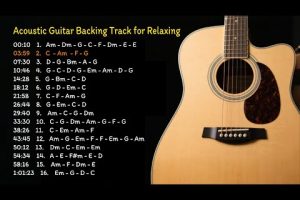
Chord symbols are the letters and notations placed above the lyrics to indicate which chord should be played. A basic symbol like “C” represents a C major chord, while “Am” stands for A minor. You will also encounter extensions and alterations such as “G7” (G dominant seventh), “Dm7” (D minor seventh), and “Fmaj7” (F major seventh). Each of these symbols communicates a specific harmonic color and tension level within the song’s progression.
Chord Diagrams and Visual References
Many chord sheets include small visual diagrams showing the fretboard layout for each chord. These diagrams display the guitar neck vertically, with dots indicating where to place your fingers and an “X” or “O” at the top to show which strings should be muted or played open. Learning to read these diagrams quickly is a critical skill for any guitarist working from chord charts.
Strumming Patterns and Rhythmic Notation
Some chord sheets go beyond simple chord placement and include rhythmic indicators such as arrow patterns, slash notation (/) for downbeats, or syllable alignment to guide your strumming hand. While these rhythmic cues are helpful, many experienced players use the chord sheet primarily as a harmonic reference and develop their own rhythmic feel based on the song’s genre and groove.
Beginner’s Guide to Using Guitar Chord Sheets
If you are just starting out on the guitar, chord sheets are your best friend. Here is a practical roadmap to get you comfortable with this format.
- Start with open chords. Focus on learning the foundational open-position chords: C, A, G, E, D, Am, Em, and Dm. These chords appear in the vast majority of popular songs and are the building blocks of chord sheet guitar playing.
- Practice chord transitions slowly. Use a metronome set to a slow tempo and switch between two chords at a time until the movement feels natural and automatic.
- Play along with recordings. Find a simple chord sheet for a song you love, listen to the original recording, and try to match the chord changes to what you hear. This trains your ear and reinforces timing.
- Use reliable chord sheet sources. Websites and apps that provide professionally formatted chord charts save you from the frustration of inaccurate or poorly formatted charts.
- Do not skip the rhythm. Even at the beginner stage, pay attention to the tempo and feel of the song. Strum in time with the recording rather than rushing through chord changes.
Intermediate Techniques: Going Beyond Basic Chord Sheets
Once you have mastered open chords and basic transitions, you can start extracting more depth from chord sheets. Intermediate players begin to experiment with fingerpicking patterns, chord embellishments, and dynamic variations that transform a simple sheet into a rich, full arrangement.
- Add bass movement. Instead of strumming the same chord throughout, use root-note bass runs between chord changes to create a more fluid sound.
- Incorporate chord inversions. A chord sheet might say “C,” but you can play a C/E or C/G inversion to add variety and smooth voice leading.
- Experiment with strumming dynamics. Use softer strums during verses and fuller, louder strums during choruses to mirror the emotional arc of the song.
- Apply rhythmic syncopation. Shift some strums slightly ahead or behind the beat to create a more groove-forward feel, especially in folk and pop styles.
Advanced Chord Sheet Strategies for Experienced Players
For advanced guitarists, a chord sheet becomes a creative canvas rather than a strict instruction manual. Experienced players use chord sheets as frameworks for reharmonization, modal substitution, and personal interpretation.
Consider jazz chord sheets, which often include extended harmonies such as ninth chords, eleventh chords, thirteenth chords, and altered dominants. Reading these charts requires a deep understanding of music theory, but the rewards are immense. You can substitute tritone dominants, borrow chords from parallel keys, and create sophisticated arrangements that are uniquely yours.
Another advanced technique is chart transcription. Many professional guitarists create their own chord sheets from recordings, analyzing the harmonic structure and noting every chord change, modulation, and key shift. This process sharpens your ear, deepens your theoretical knowledge, and makes you a more versatile musician capable of adapting to any musical situation.
Chord Sheet Guitar vs. Tablature: Key Differences
While both chord sheets and guitar tablature serve as popular methods for sharing guitar music, they serve fundamentally different purposes. Understanding the distinction helps you choose the right tool for the right situation.
| Feature | Chord Sheet | Tablature (Tabs) |
| Notation Style | Chord symbols + lyrics above text | Six-line staff showing fret positions |
| Best For | Rhythm guitar, accompaniment, strumming | Lead lines, solos, riffs, fingerpicking |
| Musical Detail | Harmonic structure and chord changes | Precise note-by-note pitch and timing |
| Learning Curve | Beginner-friendly, quick to read | Moderate, requires reading fret numbers |
| Creative Freedom | High — interpret rhythm and voicing freely | Medium — follows specific note sequences |
| Common Use | Songs, worship sets, jam sessions | Solo guitar pieces, instrumental covers |
The ideal approach is to combine both formats. Use a chord sheet to understand the harmonic progression of a song, and supplement it with tablature for any melodic lines, riffs, or solos that the chord sheet cannot capture. Together, these two tools give you a complete picture of the music.
Top Resources for Finding Quality Chord Sheets
Not all chord sheets are created equal. Some websites and platforms offer meticulously crafted charts with accurate chord voicings, clear formatting, and helpful annotations, while others provide rushed or error-filled versions. Here are the most trusted sources for reliable guitar chord sheets:

- Ultimate Guitar — The largest community-driven chord and tab database with millions of user-submitted charts across all genres.
- Chordify — An AI-powered platform that automatically generates chord sheets from audio files, perfect for analyzing songs you hear on the radio.
- Songsterr — Offers interactive chord sheets with synchronized audio playback so you can hear how each chord change should sound.
- Musescore and Guitar Pro — Professional notation software that allows you to create, edit, and share custom chord charts with precision.
Expert Tips for Getting the Most from Your Chord Sheets
- Transcribe your own charts. Listening to a song and writing out the chord changes by ear builds your harmonic instincts far more effectively than reading someone else’s chart.
- Color-code your sheets. Use different colored highlighters to mark verse, chorus, bridge, and intro chord progressions for quick visual reference during performances.
- Print large, clean copies. If you are performing live, print your chord sheets in a large font on bright paper so you can read them under stage lighting without squinting.
- Annotate freely. Write down fingerpicking patterns, dynamic markings, or performance notes directly on your sheet. A personalized chart becomes a powerful performance tool.
- Practice with a looper. Use a looper pedal to repeat difficult chord transitions while you work through the changes at a comfortable tempo.
FAQ: Common Questions About Chord Sheet Guitar
What is the difference between a chord chart and a lead sheet?
A chord chart is similar to a lead sheet but typically focuses more narrowly on chord symbols and lyrics, while a lead sheet may include melody lines, chord symbols, and basic arrangement notes. Both formats serve guitarists, but chord charts are more commonly used for rhythm accompaniment and group playing situations.
Can beginners effectively learn guitar using only chord sheets?
Absolutely. Chord sheets are one of the most beginner-friendly resources available. They allow new players to learn songs quickly by focusing on chord shapes and transitions rather than complex music theory. Pairing chord sheet practice with basic strumming exercises accelerates progress significantly.
How do I find accurate chord sheets for less common songs?
For songs not widely covered, try using apps like Chordify to generate automatic chord charts from audio recordings. You can also collaborate with other musicians in online forums or communities to co-create accurate chord sheets for niche tracks.
Should I memorize chord sheets or keep them during performances?
Both approaches have merit. Memorizing chord progressions builds confidence and allows you to engage with your audience, but keeping printed or digital chord sheets on stage is a practical and professional choice, especially during early stages of learning or when performing complex songs with many chord changes.
Are chord sheets useful for fingerstyle guitar players?
Yes, chord sheets provide the harmonic foundation that fingerstyle players need. Many fingerstyle arrangements start from a basic chord sheet, with the player adding melody lines, bass movement, and arpeggiated patterns on top of the chord changes. The chord sheet serves as the harmonic anchor for the entire arrangement.

How often should I update my personal chord sheet collection?
Make it a habit to review and refine your chord sheets regularly. As your playing evolves, you may discover better voicings, more efficient transitions, or new arrangements that improve the original chart. Keeping your collection updated ensures that your personal songbook always reflects your current skill level and musical preferences.
Conclusion
The chord sheet guitar format remains one of the most practical, accessible, and creatively empowering tools in modern guitar playing. Whether you are learning your first open chords in your bedroom, rehearsing with a band in a garage, or crafting intricate jazz arrangements on stage, the chord sheet adapts to your level and ambitions. By mastering how to read, interpret, and create chord charts, you unlock a lifetime of musical exploration. Invest time in understanding chord symbols, practice transitions diligently, and never underestimate the creative potential hidden within a simple sheet of chords. The guitar journey is a continuous adventure, and the chord sheet is your most reliable companion along the way.