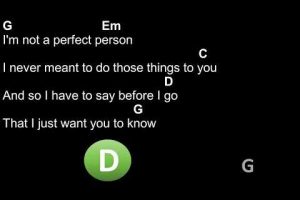
When musicians talk about chord chord relationships, they are exploring one of the most fundamental and powerful concepts in music theory — the way chords interact, progress, and create emotional movement within a piece of music. Whether you are a beginner strumming your first guitar or an advanced composer crafting cinematic soundscapes, understanding how chords work together is the key to unlocking musical fluency. This guide dives deep into the world of chord progressions, chord substitutions, harmonic relationships, and practical techniques that will elevate your playing and songwriting to the next level. From basic triads to advanced extended harmonies, we will cover everything you need to know to master the interplay between chords and make your music truly compelling.
What Does “Chord to Chord” Mean in Music Theory?
At its core, the phrase chord to chord describes the relationship and transition between one harmony and the next. Every song you have ever loved — from a simple pop ballad to a complex jazz standard — is built on a series of chord changes that guide the listener’s ear through tension, resolution, and emotional peaks. When we talk about chord movement, we are really talking about how one chord prepares the ear for the next, creating a sense of direction and narrative within the music.
The foundational building blocks of any chord progression are triads, which consist of three notes: the root, the third, and the fifth. These triads can be major, minor, diminished, or augmented, and each quality produces a distinct emotional color. Understanding these qualities is essential because they determine how chords behave and relate to each other within a key.
Why Chord Relationships Matter for Songwriters and Players
Mastering chord relationships is not just academic theory — it is a practical superpower for any musician. When you understand why certain chords sound good together and others create tension or dissonance, you gain the ability to predict, create, and manipulate harmonic movement. Here is why chord-to-chord knowledge is so critical:
- Songwriting Confidence: Knowing which chords naturally follow each other helps you write melodies and progressions faster and with more intention.
- Improvisation Skills: Musicians who understand harmonic movement can improvise solos and melodies that feel connected to the underlying chords.
- Arrangement and Production: Producers use chord knowledge to build richer arrangements by layering instruments that complement the harmonic structure.
- Transposition Flexibility: Understanding the logic behind chord progressions allows you to move songs to different keys effortlessly.
- Musical Communication: When you speak the language of chord relationships, collaborating with other musicians becomes intuitive and efficient.
The Most Common Chord Progressions and How They Work
Every genre of music has its signature chord patterns. These progressions are the DNA of songs, and recognizing them helps you understand why certain tracks feel the way they do. Let us explore the most widely used progressions across different styles.
1. The I-IV-V Progression (The Backbone of Popular Music)
The I-IV-V progression is the most fundamental chord movement in Western music. In the key of C major, this means the chords C, F, and G. This progression creates a satisfying sense of resolution and has been used in countless blues, rock, country, and pop songs. It works because each chord naturally belongs to the key and supports the tonic chord (the I chord) as a point of home and return.
2. The ii-V-I Progression (Jazz Essential)
The ii-V-I progression is the cornerstone of jazz harmony. In C major, these chords are Dm7, G7, and Cmaj7. This movement creates a smooth, logical resolution that pulls the listener’s ear toward the tonic with elegance and sophistication. Jazz musicians use this progression constantly, and understanding it is essential for anyone exploring jazz piano, guitar, or composition.
3. The I-V-vi-IV Progression (The Pop Anthem Formula)
This progression — popularized by songs like “Let It Be” and “No Woman No Cry” — uses the first, fifth, sixth, and fourth degrees of the major scale. It creates an emotional, anthemic quality that resonates deeply with listeners, which is why it appears in an enormous number of hit songs across genres.
| Progression | Chords in Key of C | Genre Association | Emotional Feel |
|---|---|---|---|
| I-IV-V | C – F – G | Blues, Rock, Country | Confident, Resolving |
| ii-V-I | Dm7 – G7 – Cmaj7 | Jazz, Fusion | Sophisticated, Smooth |
| I-V-vi-IV | C – G – Am – F | Pop, Rock, Folk | Emotional, Anthemic |
| I-vi-IV-V | C – Am – F – G | 50s Doo-Wop, Pop | Nostalgic, Uplifting |
| vi-IV-I-V | Am – F – C – G | Modern Pop, Ballads | Melancholic, Hopeful |
Advanced Techniques: Chord Substitution and Voice Leading
Once you have a solid grasp of basic chord progressions, the real fun begins with advanced techniques that add color, surprise, and sophistication to your harmonic language. Two of the most powerful concepts are chord substitution and voice leading.
Chord Substitution
Chord substitution means replacing one chord with another that shares similar harmonic function or voice-leading properties. The most famous type is the tritone substitution, where a dominant seventh chord is replaced by another dominant seventh chord whose root is a tritone away. For example, in a ii-V-I in C, you might replace G7 with Db7. The result is a richer, more unexpected harmonic color that keeps the resolution intact but adds tension and intrigue.
Another common substitution technique is using the relative minor or major chord in place of the diatonic chord. In C major, you could substitute Am for C, or Em for G, to create a more nuanced emotional texture.
Voice Leading
Voice leading refers to how individual notes move from one chord to the next. Smooth voice leading minimizes large leaps and keeps common tones between chords, creating a seamless harmonic flow. Poor voice leading, on the other hand, can make even the best chord progression sound disjointed and awkward. Professional arrangers and composers pay meticulous attention to voice leading because it is the invisible glue that holds harmonic movement together.
Extended and Altered Chords

Moving beyond basic triads, extended chords like 7ths, 9ths, 11ths, and 13ths add layers of harmonic richness. Altered chords — such as the dominant 7#9 or dominant 7b9 — introduce tension that demands resolution, creating dramatic moments in your music. These chords are especially prevalent in jazz, neo-soul, and sophisticated pop production.
Chord Charts vs. Chord Diagrams: How to Read Them Both

Understanding how to read chord representations is a practical skill that every musician needs. A chord chart shows the progression of chords in a song with timing and rhythm information, while a chord diagram (also called a chord box) visually displays where to place your fingers on an instrument’s fretboard or keys.
- Chord Charts show chord names above lyrics or measures, indicating when to change chords.
- Chord Diagrams use a grid format where vertical lines represent strings and horizontal lines represent frets, with dots indicating finger placement.
- Nashville Number System uses numbers instead of chord names, making it easy to transpose progressions to any key instantly.
- Roman Numeral Analysis uses uppercase and lowercase numerals to represent major and minor chords within a key, which is essential for understanding harmonic function across all keys.
Practical Tips for Mastering Chord Progressions
Here are expert-level tips that will help you internalize chord relationships and apply them in real musical situations:
- Practice Progressions in All Keys: Do not just learn progressions in C major. Move them through every key to build fretboard fluency and keyboard dexterity.
- Use a Metronome: Practice chord transitions with a metronome, gradually increasing the tempo to build muscle memory and timing precision.
- Listen Actively: When you hear a song you love, try to identify the chord progression by ear. Start with simple songs and work your way up to complex arrangements.
- Experiment with Inversions: Playing chords in different inversions changes the bass note and creates smoother, more interesting movement between chords.
- Record Yourself: Recording your practice sessions allows you to hear your chord transitions objectively and identify areas for improvement.
- Study Songs You Love: Analyze the chord progressions of your favorite songs. Understanding the harmonic architecture of great music accelerates your own growth exponentially.
Common Mistakes to Avoid When Learning Chords
Even dedicated musicians sometimes fall into habits that slow their harmonic development. Here are the most common mistakes and how to avoid them:
- Skipping Music Theory Basics: Jumping straight into complex chords without understanding triads and scale degrees creates knowledge gaps that become roadblocks later.
- Practicing Without a Metronome: This leads to sloppy timing and inconsistent chord transitions that are hard to fix later.
- Ignoring Ear Training: Relying solely on visual chord shapes without developing your ear limits your ability to play by ear and improvise.
- Sticking to One Position: Playing all chords in one area of the fretboard or keyboard restricts your expressive range. Learn chords across the entire instrument.
- Not Understanding Function: Memorizing chord shapes without understanding their harmonic function (tonic, subdominant, dominant) makes it harder to apply progressions creatively.
Conclusion
Understanding chord chord relationships is one of the most rewarding investments any musician can make. From the foundational I-IV-V progression that powers countless hit songs to the sophisticated voice leading and chord substitutions used by jazz virtuosos, the harmonic world is vast and endlessly fascinating. By studying chord progressions, practicing transitions deliberately, and training your ear to recognize harmonic movement, you transform from someone who plays chords into someone who truly understands music at a deep level. The journey from beginner to advanced musician is built on this very foundation — the ability to see, hear, and feel how chords connect and converse with each other. Keep practicing, keep listening, and let the harmonic journey unfold.
Frequently Asked Questions (FAQs)
What is the easiest chord progression for beginners to learn?
The I-IV-V progression is the easiest chord progression for beginners. In any key, it uses only three chords that naturally belong to that key, making it simple to learn on guitar, piano, ukulele, or any chordal instrument.
How many chords should I know as an intermediate player?
An intermediate player should comfortably know major, minor, dominant seventh, and major seventh chords across all 12 keys, plus common progressions like ii-V-I and I-V-vi-IV. This gives you a versatile harmonic vocabulary for most musical situations.
What are slash chords and how are they used?
Slash chords are chords where a bass note different from the root is specified, such as C/E (C major with E in the bass). They are used to create smoother bass lines, add harmonic color, and guide voice leading between chords in a progression.
How long does it take to master chord progressions on guitar?
With consistent daily practice, most guitarists can play common chord progressions comfortably within three to six months. Mastering advanced progressions, substitutions, and smooth voice leading typically takes one to two years of dedicated study and practice.
Can chord substitution make a song sound completely different?
Yes, chord substitution can dramatically change the emotional character of a song. Replacing a simple triad with an extended or altered chord, or using a tritone substitution for a dominant chord, adds harmonic tension, color, and sophistication that can transform the entire mood of a progression.