


The 1960s stands as one of the most transformative decades in modern music history. From the explosive arrival of the British Invasion to the rise of psychedelic soundscapes and Motown’s soulful dominance, 1960s music trends reshaped global culture forever. Whether you’re a music historian, a curious listener, or someone building a retro-themed project, understanding the key movements of this era provides invaluable context for how popular music evolved. This deep dive explores every major 1960s music trend, the artists who defined it, and the lasting influence that still echoes through today’s charts and playlists.
The British Invasion: A Cultural Tidal Wave
Few phenomena in music history rival the cultural earthquake that was the British Invasion. Beginning around 1964, British rock and pop acts flooded American airwaves, fundamentally altering the landscape of popular music. The Beatles kicked things off with their legendary Ed Sullivan Show appearance, but the movement extended far beyond one band. Groups like The Rolling Stones, The Who, The Kinks, and The Yardbirds brought a raw, guitar-driven energy that reinvigorated rock and roll for a new generation.
What made the British Invasion so significant was not just the sound — it was the cultural exchange. American rock and roll had influenced British musicians, and those same artists then reinterpreted those sounds and sent them back across the Atlantic with renewed intensity. This cross-pollination of ideas created an unprecedented creative feedback loop that pushed boundaries in songwriting, production, and performance style.
How the British Invasion Changed American Music
- It revitalized rock music during a period when early rock and roll was softening into pop ballads
- British bands introduced more complex song structures and harmonic experimentation
- The movement shifted the music industry’s focus toward band-oriented acts rather than solo performers
- It opened doors for international artists in the American market permanently
- British Invasion fashion and visual presentation became inseparable from the music itself
Motown and the Soul Music Revolution
While rock dominated headlines, another 1960s music trend was quietly reshaping the industry from the ground up. Motown Records, founded by Berry Gordy in Detroit in 1959, became the most successful Black-owned music label in American history. The Motown Sound blended gospel, R&B, and pop into a polished, irresistible style that transcended racial barriers and topped both R&B and pop charts simultaneously.
Artists like Smokey Robinson & The Miracles, The Supremes, Marvin Gaye, Stevie Wonder, and The Temptations became household names and brought soul music into living rooms across America and around the world. Motown’s in-house songwriting and production team — known as the Smoky Robinson, Holland-Dozier-Holland assembly line — crafted hit after meticulously produced hit, establishing a blueprint for modern pop music production.
Why Motown Remains Influential Today
- Cross-cultural appeal: Motown bridged racial divides during the civil rights era through universally accessible music
- Production standards: The label’s studio techniques influenced generations of producers and engineers
- Artist development: Motown treated musicians as complete performers, not just recording artists
- Songwriting legacy: Motown songwriters shaped how pop songs are written to this day
Psychedelic Rock and the Counterculture Sound
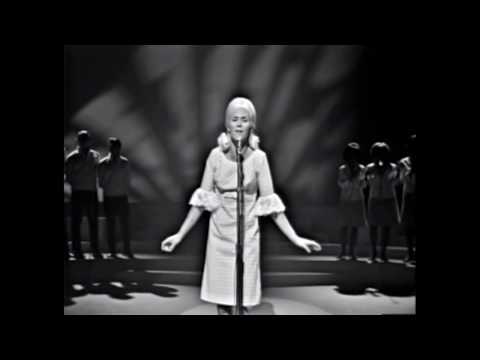
As the 1960s progressed, the intersection of music and social change produced one of the most innovative periods in audio history. Psychedelic rock emerged from the counterculture movement, fueled by experimental drug use, anti-war sentiment, and a desire to expand consciousness through sound. Bands like Jimi Hendrix Experience, Pink Floyd, The Doors, Jefferson Airplane, and The Grateful Dead created expansive, genre-defying music that sounded unlike anything before it.
The sonic hallmarks of psychedelic rock included extended instrumental passages, feedback manipulation, reversed recordings, phasing effects, and lyrics that explored altered states of perception. Albums like Sgt. Pepper’s Lonely Hearts Club Band by The Beatles demonstrated that the studio itself could become an instrument, paving the way for progressive rock and modern electronic music production.
Folk Music Revival and Protest Songs
Running parallel to rock’s dominance, the folk music revival became a powerful vehicle for social commentary during the 1960s. Artists like Bob Dylan, Joan Baez, Peter, Paul and Mary, and Phil Ochs used acoustic guitars and poetic lyrics to address civil rights, war, and political injustice. Dylan’s transition from acoustic folk to electric rock at the Newport Folk Festival in 1965 remains one of the most iconic moments in music history.
Protest songs became anthems for a generation demanding change. Tracks like “Blowin’ in the Wind”, “The Times They Are A-Changin'”, and “We Shall Overcome” captured the spirit of a nation in upheaval. The folk revival proved that music could be both artistically meaningful and commercially successful, inspiring countless singer-songwriters who followed.
Key Music Trends Compared: 1960s vs. Previous Decades
Understanding how 1960s music trends differed from earlier eras helps contextualize the decade’s innovations. The table below highlights major shifts in style, technology, and cultural impact.
| Aspect | 1950s Music | 1960s Music Trends |
| Dominant Genre | Rock and roll, early pop | Rock, soul, folk, psychedelia |
| Recording Technology | Mono recordings, basic studio setup | Stereo, multi-tracking, studio experimentation |
| Lyrical Themes | Teen romance, dance culture | Social justice, psychedelia, political protest |
| Key Artists | Elvis Presley, Chuck Berry, Buddy Holly | The Beatles, Jimi Hendrix, Aretha Franklin, Bob Dylan |
| Distribution | Radio and vinyl singles | Album-oriented format, FM radio, international markets |
| Cultural Role | Youth entertainment | Social movement catalyst, counterculture soundtrack |
Essential 1960s Albums That Defined the Era
For anyone looking to explore 1960s music trends through landmark recordings, these albums represent the absolute pinnacle of the decade’s creativity and cultural significance:
- The Beatles — Revolver (1966): A quantum leap in studio production and songwriting ambition
- Aretha Franklin — I Never Loved a Man the Way I Love You (1967): The definitive soul album of the decade
- Bob Dylan — Blonde on Blonde (1966): Folk-rock storytelling at its finest
- Jimi Hendrix — Are You Experienced (1967): The blueprint for psychedelic and experimental rock
- The Supremes — Where Did Our Love Go (1964): Motown’s pop perfection at its peak
- The Velvet Underground & Nico (1967): Art rock and avant-garde that influenced decades of musicians
Expert Tips for Understanding 1960s Music Trends
If you are researching, writing about, or building content around 1960s music trends, here are practical recommendations from experts in the field:
- Listen beyond the hits. The deep cuts from 1960s albums often reveal more about musical innovation than the singles that dominated radio
- Study the cultural context. 1960s music cannot be separated from civil rights, the Vietnam War, space exploration, and generational identity shifts
- Compare regional scenes. Motown, Memphis soul, San Francisco psychedelia, and British blues rock each developed distinct identities
- Pay attention to production techniques. The decade saw revolutionary advances in recording that are still studied in music production schools today
- Follow the lineage. Many 1960s trends directly influenced 1970s genres like progressive rock, funk, and punk
Frequently Asked Questions About 1960s Music Trends
What were the most defining 1960s music trends that shaped modern music?

The most defining 1960s music trends include the British Invasion’s global expansion of rock music, Motown’s polished soul production style, the folk revival’s emphasis on lyrical storytelling, psychedelic rock’s studio experimentation, and the rise of album-oriented listening. Together, these movements established the creative foundations that modern pop, rock, R&B, and indie music still build upon today.
How did the British Invasion change popular music permanently?
The British Invasion permanently altered popular music by introducing complex songwriting, band-centric performance models, and a willingness to blend genres. British acts brought blues-based rock, pop craftsmanship, and a rebellious image that influenced how future generations approached music. The invasion also established the UK as a permanent powerhouse in the global music industry, creating a two-way cultural exchange that continues to this day.
What role did Motown Records play in shaping 1960s music trends?
Motown Records served as both a musical innovator and a cultural bridge during the 1960s. By creating a polished, pop-friendly version of soul music, Motown made African American music accessible to mainstream (primarily white) audiences at a time of deep racial segregation. The label’s assembly-line production approach to songwriting and artist development became a model for the modern music industry and influenced every major pop label that followed.
Why is folk music considered one of the most important 1960s music trends?
Folk music stands as one of the most important 1960s music trends because it demonstrated that popular music could be both artistically substantive and socially impactful. The folk revival gave voice to the civil rights movement and anti-war activism, proving that singer-songwriters could drive cultural conversations. Bob Dylan’s journey from folk purist to rock innovator also illustrated the creative fluidity that defined the entire decade.
How did recording technology advances impact 1960s music trends?
Advances in recording technology during the 1960s — including multi-track recording, stereo mixing, tape loops, and effects processing — gave musicians and producers unprecedented creative control. The studio became an instrument itself, allowing artists like The Beatles and Brian Wilson of The Beach Boys to craft sonic landscapes that were impossible to replicate live. These innovations directly led to progressive rock, electronic music, and the modern production techniques used in today’s recording studios.
Conclusion
The 1960s music trends that emerged during this extraordinary decade continue to reverberate through every corner of the modern music industry. From the infectious pop craftsmanship of Motown to the boundary-shattering experimentation of psychedelic rock, from folk music’s powerful storytelling to the British bands that conquered the world, the 1960s established the creative DNA of contemporary popular music. Whether you are exploring this era for personal enjoyment, academic research, or content creation, the decade offers an inexhaustible well of inspiration, innovation, and cultural significance. The music of the 1960s was not just entertainment — it was a revolution that still echoes in every song on today’s charts.