


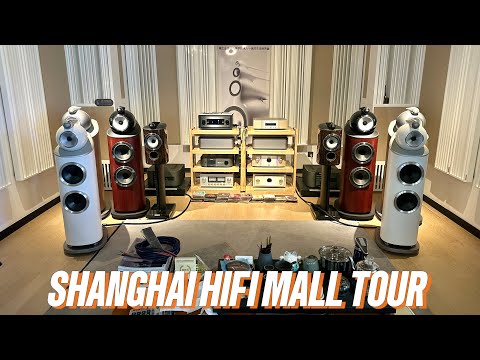
Walking into an audio equipment shop—whether it is a brick-and-mortar storefront or a well-designed online retailer—feels like stepping into a sanctuary built for the ears. The smell of fresh packaging, the glow of demo amplifiers warming up, and the sheer variety of microphones, speakers, cables, and mixers on display can be both exhilarating and overwhelming. For musicians, podcasters, home theater enthusiasts, and professional sound engineers alike, finding the right audio gear store is not just about making a purchase; it is about discovering tools that unlock creative potential and deliver sonic experiences that transform how you listen, perform, and create. In this comprehensive guide, we will explore everything you need to know about sound equipment retailers, from understanding what to expect when you walk in—or log in—to making confident buying decisions that match your skill level and budget.
What Is an Audio Equipment Shop and Why Does It Matter?

An audio equipment shop is a specialized retailer focused on selling sound-related products ranging from consumer headphones and Bluetooth speakers to professional-grade studio monitors, mixing consoles, and live performance gear. Unlike general electronics stores that carry a diluted selection of audio products, a dedicated pro audio shop curates its inventory around the needs of people who genuinely care about sound quality, durability, and technical specifications.
These shops matter because they offer something that big-box retailers rarely can: expertise, personalized recommendations, and hands-on demonstration opportunities. When you are comparing two microphones that look nearly identical on a product page, having a knowledgeable staff member walk you through the polar patterns, frequency responses, and application scenarios can save you hundreds of dollars—and hours of buyer’s remorse. A quality home audio store or studio gear retailer becomes a trusted advisor rather than just a vendor.
Types of Audio Equipment Shops: Online vs. Physical Retailers
Brick-and-Mortar Audio Equipment Stores
Traditional audio equipment shops with physical locations offer a tactile shopping experience that online platforms simply cannot replicate. You can listen to headphones on your head, feel the weight of a mixer in your hands, and hear how floor-standing speakers fill a room with bass response. Major chains and independent shops alike populate this space, each offering a unique atmosphere and specialty focus.
Some independent retailers specialize in vinyl turntables and analog gear, while others focus on car audio installations or live sound reinforcement systems. The advantage of a physical location includes immediate product availability, in-store return policies that are often more straightforward, and the ability to build a relationship with staff who remember your preferences over time.
Online Audio Gear Retailers
The rise of online audio equipment shops has dramatically expanded access to niche products and international brands. Websites dedicated to sound equipment retailers often feature detailed product specifications, customer review sections, comparison tools, and educational blog content that help buyers make informed decisions from the comfort of their homes.
Online retailers typically offer broader inventory depth, competitive pricing due to lower overhead costs, and frequent flash sales or bundle deals. However, the trade-off is the inability to audition products before purchasing and sometimes longer shipping windows for heavy or fragile items like studio monitors.

Hybrid Models
An increasing number of audio gear stores now operate hybrid models, maintaining physical showrooms where customers can demo products while also offering robust e-commerce platforms for convenience. These hybrid retailers often provide the best of both worlds—tactile experience backed by digital accessibility.
Key Product Categories You Will Find in Any Serious Audio Shop
A well-stocked audio equipment shop organizes its inventory into logical categories that cater to different use cases. Understanding these categories helps you navigate your shopping experience more efficiently:
- Studio Monitors and Speakers — Nearfield monitors like the Yamaha HS series or KRK Rokit line dominate the beginner-to-intermediate segment, while high-end brands like Genelec, Neumann, and Adam Audio cater to professional mixing and mastering environments.
- Microphones — From affordable USB condenser mics like the Blue Yeti to professional large-diaphragm condensers from Neumann and Telefunken, microphone selection is one of the most browsed categories.
- Mixers and Interfaces — Audio interfaces from Focusrite, Universal Audio, and PreSonus sit alongside analog mixers from Allen & Heath, Yamaha, and Behringer.
- Headphones and IEMs — Closed-back studio headphones like the Beyerdynamic DT 770 Pro and open-back audiophile options from Sennheiser and Audeze serve completely different purposes.
- Cables, Stands, and Accessories — XLR cables, mic stands, acoustic treatment panels, and pop filters round out any serious shop’s offerings.
- Live Sound and PA Equipment — Active speakers, subwoofers, digital mixers, and wireless microphone systems for bands, DJs, and event professionals.
How to Choose the Right Audio Equipment Shop for Your Needs
Not every audio equipment shop is created equal, and choosing the right one can make or break your buying experience. Consider these factors when evaluating a sound equipment retailer:
- Specialization and Focus — Does the shop cater to your specific niche? A store known for car audio installations may not be the best place to shop for studio-grade monitors.
- Staff Expertise — Look for retailers who employ staff with hands-on experience in recording, live sound, or audio engineering. Certifications from manufacturers like Shure, Sennheiser, or Focusrite are good indicators.
- Return and Warranty Policies — A trustworthy audio gear store offers clear return windows and works directly with manufacturers on warranty claims.
- Demonstration Availability — Can you test products before buying? Many premium pro audio shops maintain demo rooms specifically for this purpose.
- Community and Education — Shops that host workshops, listening sessions, or maintain active educational blogs demonstrate a commitment to customer success beyond the transaction.
Beginner, Intermediate, and Advanced Shopping Guides
For Beginners: Starting Your Audio Journey
If you are new to audio production or home listening, your first visit to an audio equipment shop should focus on building a solid foundation. Start with an audio interface, a versatile condenser microphone, a pair of closed-back headphones, and basic cables. Many home audio stores offer beginner bundles that package these items together at a discount, saving you both money and the headache of compatibility research.
Do not feel pressured to buy the most expensive gear immediately. Entry-level products from Focusrite, Rode, and Audio-Technica deliver outstanding quality at price points that make experimentation affordable.
For Intermediate Users: Expanding Your Setup
Once you understand the basics, intermediate shoppers should explore room acoustics, additional monitor pairs, outboard gear like compressors and EQs, and higher-tier microphones. This is where a knowledgeable pro audio shop truly earns its value—recommending upgrades that genuinely improve your workflow rather than simply upselling premium products.
For Advanced Professionals: Precision and Specialization

Advanced users often seek audio equipment shops that carry boutique and specialty brands—analog summing mixers, modular synthesizers, rare vintage microphones, and custom cable assemblies. These shops typically cater to a smaller, highly knowledgeable clientele and may offer custom consultation services for studio buildouts or live venue installations.
Expert Tips for Getting the Best Value from Your Audio Shop
- Ask for demo comparisons — Request to A/B test similar products side by side rather than relying on spec sheets alone.
- Inquire about floor models — Many sound equipment retailers sell open-box or demonstration units at significant discounts with full warranty coverage.
- Join loyalty programs — Many audio shops offer members-only pricing, early access to sales, and bonus points on purchases.
- Time your purchases — Black Friday, post-holiday clearance, and NAMM Show-adjacent promotions often yield the deepest discounts on professional audio gear.
- Build relationships — Regular customers at independent audio gear stores often receive first dibs on limited-edition products and exclusive deals.
Online vs. Physical Audio Equipment Shop Comparison
| Feature | Physical Store | Online Retailer |
| Hands-on audition | Yes | Limited or none |
| Pricing competitiveness | Moderate | Often lower |
| Inventory depth | Limited by space | Extensive |
| Immediate availability | Yes | Depends on shipping |
| Expert staff interaction | Face-to-face | Chat or email support |
| Return convenience | In-store | Mail-in required |
| Educational resources | Workshops, events | Blogs, videos, guides |
Frequently Asked Questions About Audio Equipment Shops
What should I expect during my first visit to an audio equipment shop?
Expect a welcoming environment where staff will likely ask about your goals—whether you are recording vocals, mixing music, building a home theater, or simply upgrading your listening experience. A good audio equipment shop will assess your needs before recommending products, rather than leading with the most expensive options. Bring your questions, your ears, and an open mind.
Can I trust online audio equipment shops with warranty claims?
Reputable online audio gear retailers honor manufacturer warranties just like physical stores do. Always verify that the retailer is an authorized dealer before purchasing, as unauthorized sellers may not honor warranty service. Look for reviews and ratings from verified buyers to confirm the retailer’s reliability.
How do I know if I am buying the right headphones for mixing?
Mixing headphones prioritize accuracy and flat frequency response over bass boost or bass-boosted consumer listening. Brands like Beyerdynamic, Sennheiser, and AKG dominate this category. Visiting a pro audio shop and auditioning multiple models with familiar reference tracks gives you the best sense of which pair suits your ears and workflow.
Are independent audio equipment shops worth visiting over large chains?
Independent sound equipment retailers often provide deeper product knowledge, more personalized service, and curated selections that reflect the owner’s passion and expertise. While large chains may offer wider brand variety, independent shops frequently become long-term partners in your audio journey.
What brands should a serious audio enthusiast look for in a quality equipment shop?
Seek out audio equipment shops that carry brands like Neumann, Universal Audio, Genelec, Focusrite, Shure, Sennheiser, PreSonus, and RME. These manufacturers represent the gold standard across recording, mixing, monitoring, and live sound applications.
How often should I upgrade my audio equipment?
Upgrade when your current gear genuinely limits your creative output or when technological improvements address specific pain points in your workflow. There is no fixed timeline—some professionals upgrade interfaces every few years while using the same studio monitors for a decade. A trusted audio gear store can help you identify the bottlenecks in your setup and recommend meaningful upgrades.
Conclusion: Finding Your Perfect Audio Equipment Shop
The right audio equipment shop becomes more than a retailer—it becomes a partner in your creative or listening journey. Whether you prefer the hands-on experience of a physical showroom or the convenience of a well-organized online audio gear store, the key is to prioritize expertise, product quality, and genuine customer care. Invest time in researching sound equipment retailers in your area or online, build relationships with knowledgeable staff, and never underestimate the value of auditioning gear before committing to a purchase. The world of professional and consumer audio is vast, but with the right shop guiding you, every purchase becomes a step toward better sound, better creativity, and a more immersive listening experience.