


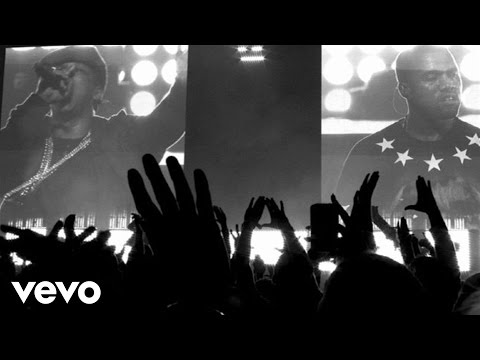
The year 2011 stands as one of the most transformative periods in modern music history. It was the year that streaming platforms began to genuinely challenge physical and digital sales, when electronic music crashed into the mainstream like never before, and when artists like Adele proved that raw vocal talent could still dominate an era overrun by auto-tune and synthetic production. If you’re exploring 2011 music trends, you’re diving into a cultural turning point — the bridge between the analog past and the digital future of the industry. From the rise of dubstep in pop radio to the quiet beginnings of K-pop’s global conquest, 2011 delivered a sonic palette that still influences artists and producers today. This deep dive covers everything from beginner-level overviews to advanced industry analysis, giving you a comprehensive understanding of why this year matters so much in the evolution of popular music.
The Rise of Streaming and Digital Disruption

Spotify and the Streaming Revolution
Perhaps no single event reshaped the music industry more in 2011 than Spotify’s official launch in the United States. While the platform had already gained massive traction across Europe, its American debut in July 2011 introduced millions of listeners to the idea that accessing virtually any song for free (with ads) or via a premium subscription was not only possible — but preferable to purchasing individual tracks. Spotify joined forces with other streaming entrants like Rdio, MOG, and Amazon Music, creating a competitive ecosystem that would eventually render the traditional album purchase model nearly obsolete.
For musicologists and industry analysts, 2011 marked the inflection point. Streaming revenue grew by over 30% that year, and while it still represented a small fraction of total industry income, the trajectory was unmistakable. Artists began reconsidering how they released music, with some favoring single drops over full-length albums to maximize playlist placement and streaming volume.
The Decline of Digital Downloads
iTunes, which had ruled digital sales since 2003, began feeling serious pressure. The 99-cent single — once an industry staple — started losing ground to the all-you-can-eat model of streaming. Key statistics from 2011 include:
- U.S. digital album sales declined for the first time in over a decade.
- CD sales continued their downward spiral, dropping roughly 15% year-over-year.
- Streaming accounted for a small but rapidly growing share of total revenue.
- Mobile music consumption surged with the proliferation of smartphones and tablets.
This shift wasn’t overnight — it was a gradual tectonic movement — but 2011 was the year the ground visibly began to crack.
Dubstep and Electronic Music Domination
Skrillex and the EDM Explosion
No discussion of 2011 music trends is complete without addressing the dubstep invasion. What had previously been an underground UK electronic subgenre suddenly infiltrated American pop, hip-hop, and even country music. Skrillex became the face of this movement, winning Grammy Awards and producing tracks that featured the signature “wobble bass” sound that became instantly recognizable. His collaboration with Damian “Jr. Gong” Marley and the infectious drops in tracks like “Bangarang” defined the year’s sonic identity.
But Skrillex wasn’t alone. Britney Spears incorporated dubstep elements into her “Femme Fatale” album, a move that puzzled some critics but was commercially brilliant. Artists like Nickelback, blink-182, and even Taylor Swift experimented with electronic production. The influence extended deep into radio formatting, with “dance-pop” and “electropop” becoming dominant chart categories.
Key characteristics of 2011’s electronic dominance included:
- Heavy bass drops and wobble textures in pop production
- Synthesizer-led melodies replacing guitar-driven arrangements in many genres
- Festival culture exploding with events like Ultra Music Festival and EDC gaining mainstream attention
- EDM producers like Calvin Harris, David Guetta, and Avicii achieving pop-star status
Indie and Soul Revival
Adele’s “21” and the Power of Authenticity

Adele’s second studio album, “21,” wasn’t just a commercial juggernaut — it was a philosophical statement. In an era increasingly dominated by digitally processed vocals and trend-chasing production, Adele proved that a powerful, unadorned voice backed by emotional songwriting could sell over 18 million copies in the United States alone. The album’s lead single, “Rolling in the Deep,” became one of the best-selling digital singles of all time, and “Someone Like You” impacted charts globally despite receiving minimal promotional support beyond its initial release.
Adele’s success in 2011 reinforced a critical truth about music trends: audiences crave authenticity. Her influence persists today, and her breakthrough year serves as a case study in how organic artistry can overpower algorithm-driven marketing.
Arcade Fire and Alternative Dominance
Arcade Fire’s “The Suburbs” won the Grammy for Album of the Year in 2011, signaling that indie rock remained a powerful force. The Black Keys, Spoon, and The Strokes all released well-received albums that kept guitar-based music relevant. This wasn’t a coincidence — listeners fatigued by overproduced electronic tracks were gravitating back toward organic instrumentation and intimate songwriting. The indie-folk wave also gained momentum, with artists like Iron & Wine and Fleet Foxes cultivating devoted followings.
Hip-Hop’s Evolution and New Voices
2011 was a landmark year for hip-hop. Kendrick Lamar released “Section.80,” his critically acclaimed major-label debut, which introduced a level of narrative depth and social commentary that was rare in mainstream rap at the time. Nicki Minaj’s “Pink Friday” exploded commercially, blending rap, pop, and R&B in a way that expanded hip-hop’s audience dramatically. Other notable releases included Kanye West’s “My Beautiful Dark Twisted Fantasy,” widely regarded as one of the greatest hip-hop albums ever produced, and J. Cole’s “Cole World: The Sideline Story,” which introduced a more introspective voice to the genre.
Underground movements also thrived. Dream Rap, Lo-Fi Hip Hop, and the early stirrings of SoundCloud rap culture began finding listeners, laying groundwork for the revolutionary shifts the genre would experience in subsequent years. The beat-driven, sample-heavy production style pioneered by producers like Lex Luger and Mike WiLL Made-It defined the sonic direction of Southern hip-hop during this period.
Pop-Dance and Global Fusion

David Guetta, Calvin Harris, and Pop EDM
The collaboration between electronic producers and pop vocalists reached unprecedented heights in 2011. David Guetta’s “Nothing but the Heart” and Calvin Harris’s transition from quirky indie-electronic to mainstream dance-pop icon exemplified this fusion. Rihanna’s collaboration with Guetta on tracks like “Who’s That Chick?” kept the pop-EDM pipeline flowing, while Kesha’s “Warrior” album leaned heavily into electro-pop production.
K-Pop’s Global Emergence
While K-pop wouldn’t achieve full global dominance until later in the decade, 2011 was the year the genre began its international push. Psy’s “Oppa Gangnam Style” became the first YouTube video to reach one billion views, breaking language barriers and proving that Korean-language pop music could captivate global audiences. Groups like Big Bang, Wonder Girls, and 2NE1 began touring internationally, and the blueprint for K-pop’s future worldwide expansion was being drawn on stages from Tokyo to London.
Comparison: Major Music Trends of 2011
| Trend | Genre/Format | Key Artists | Impact Level | Lasting Influence |
| Streaming Platforms | Distribution Model | Spotify, Rdio, Amazon Music | Transformative | Industry standard today |
| Dubstep/EDM | Electronic | Skrillex, Calvin Harris | Massive | Integrated into all pop |
| Soul/Indie Revival | Pop/Alternative | Adele, Arcade Fire | Significant | Ongoing influence |
| Hip-Hop Evolution | Rap/Hip-Hop | Kendrick Lamar, Nicki Minaj | Major | Genre redefinition |
| K-Pop Emergence | Global Pop | Psy, Big Bang | Growing | Global phenomenon |
Expert Tips for Understanding 2011’s Musical Legacy
Whether you’re a casual listener or an industry professional, understanding why 2011 matters requires looking beyond chart positions. Here are practical insights for different knowledge levels:
Beginner: What to Listen For
If you’re new to exploring 2011 music, start with the year’s defining albums — Adele’s “21,” Kendrick Lamar’s “Section.80,” and Skrillex’s “Bangarang.” These releases each represent a different facet of the year’s identity: emotional authenticity, lyrical innovation, and electronic experimentation. Pay attention to how production choices reflect the era’s taste for heavy bass, bright synths, and vocal clarity.
Intermediate: Analyze the Industry Shifts
Study how Spotify’s U.S. launch altered consumer behavior. Notice how album-equivalent streaming began replacing pure sales as the primary metric. Examine how social media platforms like Twitter and Tumblr became essential marketing tools for artists, foreshadowing the influencer-driven promotion models we see today.
Advanced: Evaluate Long-Term Structural Impact
The most important 2011 trend isn’t any single genre — it’s the fundamental restructuring of music economics. The year set the stage for playlist culture, algorithmic discovery, and the eventual decline of the album as the primary artistic unit. Producers who embraced electronic elements in 2011 were better positioned for the next decade, while artists who resisted the shift sometimes struggled to maintain relevance. This economic analysis reveals why some careers flourished and others faded during this pivotal transition.
Frequently Asked Questions About 2011 Music Trends
What was the most popular music genre in 2011?
Pop music dominated charts globally in 2011, but the year was uniquely diverse. Pop-dance and electronic-infused pop led radio play, while indie soul and hip-hop held strong critical and commercial positions. The genre landscape was defined more by fusion than by any single dominant category, making 2011 one of the most eclectic years in recent memory.
How did Spotify’s 2011 U.S. launch change the music industry?
Spotify’s American arrival accelerated the shift from ownership-based music consumption (buying albums or singles) to access-based streaming. Within three years, streaming would overtake digital downloads in several markets. The 2011 launch planted the seed that grew into today’s streaming-first industry model, where platforms like Spotify, Apple Music, and Tidal generate the majority of recorded music revenue.
Why was dubstep so popular in 2011?
Dubstep’s popularity in 2011 stemmed from its high-energy, physically impactful sound — the heavy bass drops translated exceptionally well to clubs, festivals, and radio. Crossover collaborations with pop and hip-hop artists brought the genre to mainstream audiences who had never visited an underground rave. Skrillex’s Grammy wins and visual branding gave dubstep a mainstream face, accelerating its adoption across commercial music.
Social media became a primary driver of music discovery in 2011. Twitter, Facebook, and Tumblr enabled artists to build fanbases organically, share music directly, and create viral moments without traditional label marketing. Psy’s “Gangnam Style” going viral on YouTube exemplified how digital platforms could catapult unknown artists to global fame, a template that remains central to music marketing today.
Which 2011 albums are still considered classics today?
Several 2011 releases have stood the test of time. Adele’s “21” remains one of the best-selling albums of the 21st century. Kendrick Lamar’s “Section.80” is regarded as a foundational text in modern hip-hop. Arcade Fire’s “The Suburbs,” Kanye West’s “My Beautiful Dark Twisted Fantasy,” and Skrillex’s “Bangarang” EP are all still widely celebrated for their artistic innovation and cultural relevance.
How did 2011 influence today’s music production techniques?
2011 established several production conventions still prevalent today. The emphasis on heavy bass and sub-frequencies influenced everything from trap music to modern pop. The integration of electronic elements into every genre became standard practice. Most importantly, the streaming-first mindset that began gaining traction in 2011 shaped how songs are written — shorter, more hook-driven, and optimized for playlist placement rather than album sequencing.
Conclusion
2011 wasn’t just another year in music — it was the inflection point where the industry’s future became visible. The collision of streaming technology, electronic music’s mainstream breakthrough, and a renewed appetite for authentic vocal performances created a perfect storm of innovation. From Adele’s powerhouse ballads to Skrillex’s bass-heavy anthems, from Kendrick Lamar’s lyrical brilliance to Psy’s viral global takeover, the year offered something for every musical taste while simultaneously reshaping how we consume, discover, and value music. Understanding 2011 music trends isn’t merely a nostalgic exercise — it’s a window into the structural, technological, and cultural forces that continue to shape the soundtrack of our lives today.