


When people talk about the greatest songwriters of the 20th century, Bob Dylan’s name inevitably rises to the top of the conversation. But learning bob dylan songwriting tips isn’t just about copying his sound; it’s about understanding the fearless, boundary-pushing philosophy he brought to the craft. From his early days mimicking Woody Guthrie to his electric, poetic reinventions, Dylan has consistently defied the rules of traditional music composition. Whether you are a beginner or an intermediate writer, the lessons hidden within his discography are invaluable. This guide breaks down the dylan lyric writing techniques and creative processes that made him a legend, offering practical bob dylan writing advice you can apply to your own music today.
The Lyrical DNA of Bob Dylan: What Aspiring Songwriters Must Learn
Understanding the foundation of Dylan’s work requires looking at the unconventional sources he drew from. Unlike contemporaries who relied on standard pop structures, he treated songwriting as a literary endeavor, borrowing from folk oral tradition, beat poetry, and classical literature. If you want to write like Dylan, you must first read like him.
Borrowing from the Masters
Dylan moved to New York to meet his idol, Woody Guthrie. This mentorship taught him the importance of social commentary and storytelling in music. However, Dylan didn’t just stop at Guthrie; he absorbed the works of Jack Kerouac and Allen Ginsberg, bringing the Beat Generation’s spontaneous, uninhibited prose into his lyrics. For anyone studying bob dylan songwriting tips, the takeaway is clear: your influences don’t have to be musicians. Poetry, novels, and even visual art can feed your creative well.
The Art of Stream-of-Consciousness Writing
One of the most distinctive dylan lyric writing techniques is his use of stream-of-consciousness. In tracks like “Mr. Tambourine Man,” the lyrics don’t follow a linear narrative. Instead, they feel like a feverish night walk through the city. This approach allows the subconscious mind to dictate the direction of a song. For beginners, giving up the control of a strict rhyme scheme can feel terrifying, but it is often where the most profound and unexpected lines emerge.
Practical Bob Dylan Songwriting Tips for Beginners
Stepping into the world of dylan music composition can feel overwhelming, but breaking it down into manageable steps makes the process accessible. Here is how you can start incorporating his methods into your daily practice.
- Start with a single, vivid image: Dylan rarely starts with a grand thesis. He starts with a snapshot. Think of the opening line to “Blowin’ in the Wind” or “The Times They Are a-Changin’.” These lines paint an immediate picture.
- Don’t be afraid of clichés—subvert them: Dylan takes familiar phrases and twists them into something entirely new, giving them fresh meaning through context.
- Keep a notebook: Dylan is notorious for his notebooks filled with fragments and stray thoughts. Capture everything.
When starting out, songwriters often debate whether melody or lyrics should come first. Let’s compare the two approaches using Dylan’s methods.
| Approach | Dylan’s Method | How to Apply It |
| Melody First | Dylan often hummed melodies while walking, letting the rhythm dictate the phrasing of his words. | Hum over a chord progression before writing words. Let the cadence of the melody suggest where to place stressed syllables. |
| Lyrics First | He wrote dense, narrative poems first, fitting them into a melody later. | Write a stream-of-consciousness page, then look for natural rhythmic patterns within the text. |
Intermediate Techniques: Evolving Your Craft
Once you have the basics down, the next step in your bob dylan songwriting tips journey involves moving beyond simple structures and embracing more complex narrative techniques.
Storytelling and Character Development

Dylan’s masterpiece, “Tangled Up in Blue,” is the ultimate lesson in character-driven songwriting. The song follows a narrator, Mary, and various other characters through a non-linear narrative of love and loss. To write like this, you must stop writing strictly from your own perspective and start inhabiting different personas. Ask yourself: Who is telling this story? What do they want? What are they hiding?
Changing Perspectives and Personas
Another powerful songwriting advice from Bob Dylan is the willingness to adopt different voices. On “Hurricane,” he becomes the wrongly accused boxer Rubin Carter. On “Shelter from the Storm,” he speaks as a weary traveler. This technique adds layers of complexity to your work and keeps the listener guessing. It also frees you from the constraint of writing only about your own life experiences.
Advanced Songwriting Strategies from the Master
For the seasoned songwriter looking to push boundaries, Dylan’s later career offers a masterclass in artistic reinvention and bold experimentation.
The Power of Surreal Imagery and Juxtaposition
As Dylan evolved from “The Freewheelin’ Bob Dylan” to “Blonde on Blonde,” his lyrics became increasingly surreal. He mastered the art of juxtaposing unrelated images to create emotional resonance. Instead of telling the listener how he feels, he shows them a motorcycle hovering over a fence or a highway of diamonds. This technique forces the listener to actively participate in interpreting the song, creating a deeper connection.
Cross-Genre Exploration
Dylan never stayed in one lane. He went from acoustic folk to electric rock, from gospel to Americana. To truly capture the bob dylan writing advice ethos, you must be willing to cross genres. Write a folk song, then rewrite it as a rock anthem, and then as a blues track. The chord progressions and melodic structures will change, but the core emotional truth will remain.
Bob Dylan’s Creative Process: A Day in the Life of a Lyricist
Dylan’s process, as detailed in his memoir Chronicles, is far from the romanticized tortured artist stereotype. He has often spoken about the sheer work ethic required to write great songs. He writes constantly, often in hotel rooms and backstage dressing rooms. He plays different instruments, listens to the radio, and observes the world around him, absorbing everything like a sponge.
For those wanting to implement dylan lyric writing techniques into their routine, the key is discipline mixed with openness. Sit down and write every single day, even when you feel uninspired. Dylan famously said that a song is anything that can walk by itself. Your job is not to force the perfect chorus out of thin air, but to provide the raw material for the song to find its own legs.
Frequently Asked Questions About Bob Dylan’s Songwriting
How did Bob Dylan start writing songs? Dylan began by learning chords from his uncle and playing in local bands. However, his songwriting truly ignited when he discovered the works of Woody Guthrie and the Beat poets. He started by rewriting Guthrie’s songs and eventually developed his own unique voice by blending Guthrie’s social consciousness with the spontaneous prose of Kerouac and Ginsberg.
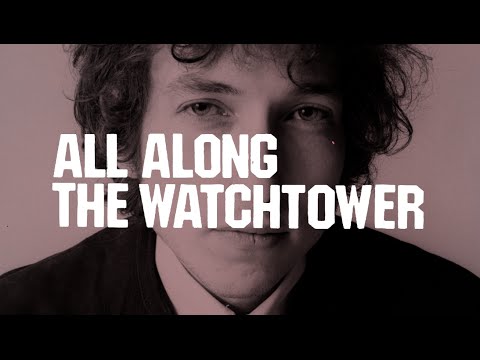
What makes Bob Dylan’s lyrics so unique? The uniqueness of dylan music composition lies in his refusal to conform to traditional pop logic. His lyrics prioritize imagery, rhythm, and emotional truth over strict grammatical correctness or predictable rhyme schemes. He uses internal rhymes, surreal metaphors, and shifting perspectives to create a sense of mystery and depth that resonates on a subconscious level.
How does Bob Dylan write his lyrics? Dylan employs a combination of stream-of-consciousness writing and deliberate revision. He often starts with a single word or image and lets his mind wander, capturing whatever comes out. Later, he will return to the mess of words, finding the hidden melodies and structures within the text. His famous notebooks are filled with crossed-out lines and fragments, proving that great writing often requires a willingness to dig through the dirt.
Can I learn songwriting from Bob Dylan? Absolutely. Studying bob dylan songwriting tips provides a framework for fearless creativity. You don’t have to sound like him, but you can learn from his willingness to take risks, his dedication to the craft, and his ability to turn the mundane into the poetic. His work teaches us that rules are meant to be broken if the result is more authentic.
What is the best Bob Dylan album for learning songwriting? The Freewheelin’ Bob Dylan is arguably the best starting point for understanding his early lyric writing techniques and social commentary. For advanced students of the craft, Blood on the Tracks offers a masterclass in emotional vulnerability and complex relationship narratives, while Blonde on Blonde demonstrates the pinnacle of surreal, impressionistic lyricism.
Conclusion: Finding Your Own Voice Through Dylan’s Legacy
The journey of learning bob dylan songwriting tips is ultimately a journey of self-discovery. Dylan didn’t become the voice of a generation by copying someone else’s formula; he became it by trusting his own peculiar, restless creative instincts. By embracing his techniques—whether it’s stream-of-consciousness writing, character-driven narratives, or fearless genre-hopping—you can unlock new depths in your own music. Remember, a great song isn’t just a collection of clever words and catchy chords. It is a living, breathing entity that carries the listener on a transformative journey. So pick up your pen, open your notebook, and let the words walk by themselves.