


Finding the best vocal training app can feel overwhelming when you are staring at dozens of options in the App Store or Google Play Store. Whether you are a complete beginner trying to hit your first notes or an experienced performer looking to refine your technique, the right app can genuinely accelerate your progress. Over the past few years, AI-powered pitch detection, real-time feedback, and personalized lesson plans have transformed how singers practice at home. This guide breaks down the top vocal training apps available today, compares their strengths and weaknesses, and gives you actionable advice to pick the one that fits your voice goals perfectly.
What Makes a Vocal Training App Worth Your Time
Not all singing apps are created equal. Some focus on gamified fun while others dive deep into music theory and vocal anatomy. Before you download anything, understanding what separates a mediocre app from a genuinely effective one will save you time and frustration.
Key Features That Matter Most
When evaluating vocal training software, look for these core capabilities that serious singers need:
- Pitch detection accuracy — the app should hear your voice and tell you instantly whether you are flat, sharp, or on target
- Vocal range analysis — a good app maps your current range and tracks expansion over time
- Warm-up exercises — structured vocal scales and breathing drills tailored to your skill level
- Progress tracking — visual dashboards showing improvement in pitch, tone, and endurance
- Lesson variety — genres, styles, and difficulty levels that match your musical interests
- Offline access — so you can practice anywhere without relying on a constant connection
Apps that combine these elements with a clean, intuitive interface tend to deliver the best long-term results. A flashy design means nothing if the feedback engine is inaccurate or the lessons feel generic.
Top Vocal Training Apps Ranked by Skill Level
Let us break down the strongest contenders across three categories so you can find the right match for where you are right now.
Best Vocal Training Apps for Beginners
If you have never received formal vocal instruction, starting with an app that guides you gently through fundamentals is essential. Vanido tops this category. It uses adaptive algorithms to adjust exercises based on your pitch accuracy, and each session runs about five to ten minutes, making it incredibly easy to build a daily habit. SingTrue is another excellent option that focuses on matching pitch and basic ear training with a simple, distraction-free interface. Sing! by Smule also works well for newcomers who want a social element — singing along with thousands of popular tracks and sharing recordings with a global community keeps motivation high.
Best Apps for Intermediate Singers
Once you have a handle on pitch accuracy and basic breath control, you need an app that pushes you toward technique refinement. Singing Coach by Learn To Sing offers structured lessons covering vibrato control, resonance placement, and dynamic variation. VocalizeU takes a more educational approach, breaking down vocal cord mechanics and providing exercises that target specific muscle groups involved in singing. Star Maker bridges the gap between practice and performance, offering recording tools, effects, and a platform where intermediate singers can receive feedback from a community of fellow vocalists.
Best Apps for Advanced Vocalists
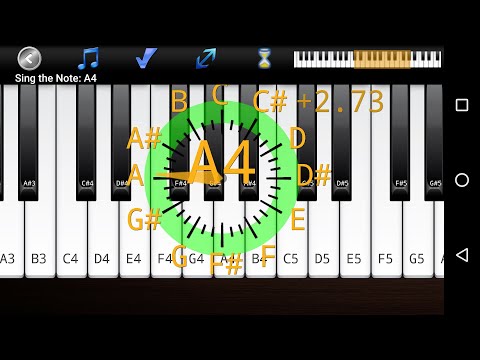
Professional singers and advanced students require granular control over their training. Voice Analyst is a powerful tool that visualizes your pitch in real time on a chromatic scale, allowing you to identify micro-intonation issues that casual apps simply miss. Moises separates vocal tracks from full mixes so you can practice singing along with isolated stems — an incredibly useful feature for learning complex songs or studying how professional vocalists phrase their melodies. Throat Scope uses a connected device to visualize your larynx position, giving advanced users real-time feedback on vocal fold engagement and tension.
Comparison Table: Top Vocal Training Apps at a Glance
| App Name | Best For | Key Strength | Pricing Model |
| Vanido | Beginners | Adaptive AI lessons and short sessions | Freemium with subscription |
| SingTrue | Beginners | Pitch matching and ear training | One-time purchase |
| Sing! by Smule | Beginners & Social Singers | Community features and karaoke library | Freemium with in-app purchases |
| Singing Coach | Intermediate | Structured technique lessons | One-time purchase |
| VocalizeU | Intermediate | Vocal anatomy education | Subscription-based |
| Voice Analyst | Advanced | Precision pitch visualization | One-time purchase |
| Moises | Advanced | Stem separation for practice | Freemium with premium tier |
How to Choose the Right App for Your Voice Goals
Selecting the best vocal training app depends on three factors: your current skill level, your musical genre, and how much time you can dedicate to daily practice. A beginner who loves pop music will thrive with an app that offers contemporary song libraries and gamified feedback loops. An aspiring opera singer needs an app focused on breath support, resonance, and classical technique. Here is a quick decision framework:
- Define your primary goal — Are you learning to sing on pitch, expanding your range, improving breath support, or preparing for auditions?
- Assess your schedule — If you only have ten minutes a day, choose an app with short, focused sessions like Vanido or Singing Coach
- Consider your budget — Free apps like Smule work well for casual singers, but serious students should invest in subscription or one-time purchase options for deeper content
- Test before committing — Most quality apps offer free trials or basic tiers. Use them for at least two weeks to see if the feedback feels accurate and the lessons feel engaging
- Check device compatibility — Some apps work best on iOS while others are optimized for Android; make sure your phone or tablet supports the features you need
Expert Tips for Maximizing Results from Any Vocal App
Even the best vocal training app will not transform your voice if you use it incorrectly. Drawing from vocal pedagogy research and professional coaching experience, here are proven strategies to get the most out of your digital training:
- Practice consistently, not intensely. Fifteen minutes every day beats a two-hour session once a week. Your vocal folds need regular, gentle conditioning.
- Warm up before every session. Humming lip trills and gentle sirens prepare your cords for the demands of pitch-matching exercises.
- Record yourself separately. Use your phone’s voice memo app alongside your training app so you can review your tone quality over time.
- Hydrate before and after practice. Vocal cords need moisture to vibrate efficiently — room temperature water is ideal.
- Do not push through pain. Discomfort during singing is a warning sign. Rest your voice and reassess your technique before continuing.
- Supplement app training with live instruction. Even one lesson per month with a qualified vocal coach provides personalized feedback that no algorithm can replicate.
The combination of consistent app-based practice and periodic professional coaching creates a feedback loop that accelerates improvement faster than either method alone.
Frequently Asked Questions
What is the best free vocal training app for beginners? Vanido offers a robust free tier with daily personalized exercises, pitch detection, and progressive lesson plans that make it the strongest free option for someone just starting their singing journey. Sing! by Smule also provides a generous free experience, though its focus leans more toward social singing than structured technique development.
Can a vocal training app really improve my singing voice? Yes, but results depend on consistency and proper usage. Apps that provide real-time pitch feedback and structured exercises can help most singers improve pitch accuracy, breath control, and confidence within four to six weeks of regular practice. However, apps work best as a supplement to, not a replacement for, professional vocal coaching.
Which vocal training app works best for expanding my vocal range? Voice Analyst and VocalizeU are particularly effective for range expansion because they provide detailed visual feedback on pitch accuracy across your entire range, allowing you to identify where your voice breaks and target exercises specifically at those transition points.
Is it better to use a vocal app on iOS or Android? Both platforms host excellent options, though iOS users tend to have slightly more premium app choices like SingTrue. Android offers greater variety in free apps and features apps like Vanido and Moises with full cross-platform support. The key is choosing the app that best fits your goals, not the operating system.
How long should I practice with a vocal training app each day? Most vocal coaches recommend fifteen to twenty minutes of focused daily practice. Shorter, consistent sessions prevent vocal fatigue and build muscle memory more effectively than longer, infrequent workouts. Many of the top apps are designed specifically around this time frame.
Final Thoughts
The landscape of vocal training apps has never been more competitive or more impressive. From AI-driven adaptive lessons on Vanido to precision pitch visualization with Voice Analyst, there is genuinely a powerful tool for every singer at every level. The secret is not finding a single perfect app — it is choosing the one that aligns with your current goals, committing to consistent practice, and supplementing your digital training with real-world vocal instruction whenever possible. Start with a free tier, track your progress honestly, and invest in premium features when the app proves it can help you grow. Your voice is your instrument, and the right training app can help you play it beautifully.