If you have ever walked into a dedicated audio video store and felt that rush of excitement surrounded by towering displays of flat-screen TVs, floor-standing speakers, and sleek receivers, you already understand why these specialty shops remain irreplaceable in a world dominated by online shopping. Audio video stores are far more than retail outlets — they are immersive experience hubs where enthusiasts, professionals, and curious beginners alike can touch, hear, and test the equipment that transforms living rooms into cinematic environments and ordinary spaces into audiophile-grade listening rooms. Whether you are building a full home theater system, upgrading your music setup, or simply trying to understand the difference between a soundbar and a true surround sound configuration, the right audio video store can make all the difference between a guess-and-pray purchase and a confident, informed investment.
What Exactly Are Audio Video Stores?
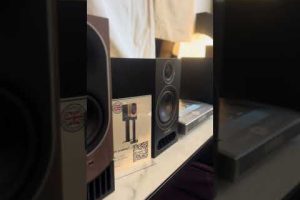
Audio video stores specialize in selling and demonstrating consumer electronics focused on sound reproduction and visual display technology. Unlike big-box retailers that scatter AV products across a dozen aisles, dedicated audio video stores curate their inventory around performance categories, making it significantly easier to compare speakers, projectors, amplifiers, receivers, streaming devices, and acoustic treatments side by side. Many of these stores also offer installation services, calibration, and post-purchase support that online retailers simply cannot replicate. The core value proposition of an audio video store is hands-on experience — the ability to audition a headphone amplifier with your own pair of headphones or watch a 4K demo clip on a reference-grade display before committing your hard-earned money.
Why Visiting a Physical Audio Video Store Still Matters
In an age where you can order anything from your couch, the enduring presence of physical audio video stores speaks to something fundamental: sound and picture quality are deeply personal and context-dependent. A specification sheet for a pair of floor-standing speakers will never fully capture how they sound in your actual room at your preferred listening volume. Here is why a physical visit remains essential.
- Real-world auditioning. You can listen to different speaker configurations, compare picture clarity between OLED and LED displays under controlled lighting, and evaluate how a receiver handles complex audio formats like Dolby Atmos or DTS:X.
- Expert guidance. Knowledgeable staff at reputable audio video stores can diagnose your specific needs — whether you need a compact system for a small apartment or a full-blown commercial installation for a boardroom.
- Hands-on calibration. Many stores offer room acoustic analysis, speaker placement optimization, and display calibration using professional tools like spectroradiometers and decibel meters.
- Post-sale support. Warranty claims, firmware updates, and technical troubleshooting are significantly easier when you have a local relationship with a store that knows your purchase history.
The Experience Gap Between Online and Brick-and-Mortar AV Stores
Online marketplaces are excellent for price comparison and convenience, but they strip away every sensory dimension from the buying process. You cannot feel the bass response of a subwoofer through your phone screen. You cannot evaluate color accuracy by squinting at product photos. A well-run audio video store bridges this gap by creating controlled demo environments that simulate real-world viewing and listening conditions.
| Feature | Physical AV Store | Online Retailer |
| Hands-on product demo | Yes — full audio and video playback | Limited to reviews and specs |
| Expert consultation | Immediate, personalized advice | Chatbots and delayed email support |
| Room acoustics assessment | Available at many locations | Not offered |
| Return convenience | In-store, often same-day | Shipping required, restocking fees |
| Accessory and cable selection | Curated, quality-assured inventory | Overwhelming, inconsistent quality |
| Installation and setup services | Often included or recommended | DIY only |
What to Look for When Choosing the Best Audio Video Store
Not every store that sells speakers and TVs qualifies as a true audio video destination. Whether you are searching for “audio video stores near me” or planning a cross-town trip, here are the criteria that separate exceptional shops from mediocre ones.
- Demo room quality. The best audio video stores invest in acoustically treated rooms with high-quality source material — not just generic demo loops. Listen for a store that plays well-mastered music and professionally calibrated video content.
- Brand breadth without bloat. A store that carries only the latest trend-driven brands may be chasing fads, while one with a balanced lineup spanning established audiophile brands like Denon, Marantz, Bowers & Wilkins, KEF, and Klipsch alongside mainstream names like Samsung and Sony signals deeper industry knowledge.
- Staff expertise. Look for certifications such as CEDIA, THX, or ISF in their team members. These credentials indicate that the staff understand not just sales but the technical science behind signal flow, room correction, and display technology.
- After-sales ecosystem. A store that offers ongoing calibration services, subscription-based maintenance plans, and trade-in programs demonstrates long-term commitment to customer satisfaction.
- Transparency in pricing. Reputable audio video stores are upfront about pricing, avoid hidden fees, and often match or beat online prices when you factor in the value of in-store expertise.
Top Categories of Products You Will Find in Audio Video Stores

Home Theater Systems

The home theater category is arguably the most popular draw at any audio video store. This encompasses projectors and projection screens, AV receivers, surround sound speaker packages, and acoustic panels. Many stores now specialize in Dolby Atmos and immersive audio configurations, helping customers understand the difference between 5.1.2 and 7.1.4 channel setups. If you are new to home theater, a knowledgeable associate can walk you through the basics of receiver power ratings, speaker sensitivity, and room size matching — information that online descriptions often bury in jargon.
Hi-Fi Stereo Equipment
For the purists, audio video stores carry dedicated stereo components including turntables, phono preamplifiers, integrated amplifiers, DACs (digital-to-analog converters), and high-end headphones. The hi-fi segment has experienced a remarkable renaissance, with vinyl sales growing year over year and audiophile-grade streaming devices becoming more accessible. A specialty AV store can help you build a signal chain that maximizes the potential of your music collection, whether it is digitized vinyl rips or lossless streaming from TIDAL or Apple Music.
Professional and Commercial AV
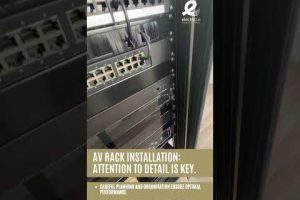
Many audio video stores also serve businesses, offering commercial-grade displays, digital signage solutions, conference room audio systems, and distributed audio setups for restaurants and hospitality venues. Brands like QSC, Shure, Crestron, and Extron dominate this space, and having a store that understands the unique requirements of commercial installations — including wiring infrastructure and control system integration — is a significant advantage.
How to Get the Most Out of Your Audio Video Store Visit
Walk in with a plan, but stay open to discovery. Here are practical tips to ensure your visit is productive and rewarding.
- Bring your own content. Load a USB drive with your favorite music and movies in high-resolution formats. This lets you hear and see how equipment performs with material you actually care about, not the store’s generic demo tracks.
- Bring your room measurements. Note the dimensions of your listening room, window placements, and flooring type. Some stores can run preliminary acoustic recommendations on the spot.
- Ask about bundle deals. Many audio video stores offer package pricing when you purchase a receiver, speakers, and display together, often saving you significant money compared to individual purchases.
- Request a written quote. Get pricing in writing so you can compare it with online options. Most stores will honor their quote for a set period.
- Discuss warranty and return terms. Understand exactly what is covered and for how long before you leave the store.
Emerging Trends in the Audio Video Retail Landscape
The audio video store model is evolving alongside technological shifts. Wireless multi-room audio systems from brands like Sonos, Bluesound, and Devialet are reshaping how consumers think about speaker placement and system architecture. OLED and MicroLED displays are pushing visual fidelity to new extremes, and stores that carry these technologies early give their customers a competitive edge in making informed decisions. Additionally, the rise of immersive audio formats like Sony 360 Reality Audio and MPEG-H is pushing audio video stores to invest in multi-channel demo setups that can do justice to these formats — something a standard stereo setup simply cannot replicate.
Another notable trend is the integration of smart home ecosystems. Modern audio video stores increasingly carry products compatible with Alexa, Google Home, Apple HomeKit, and Matter protocols, positioning themselves as one-stop shops for the connected home. This convergence of AV technology and smart home automation means that the role of the audio video store is expanding beyond pure entertainment into whole-home lifestyle solutions.
Conclusion
Audio video stores remain an essential resource for anyone serious about building a high-quality entertainment experience. From the first moment you walk in and hear a well-tuned pair of speakers fill a room with lifelike sound, to the final step of professional installation and ongoing support, the value these stores provide extends far beyond the price tag. Whether you are a first-time buyer exploring your first soundbar or a seasoned enthusiast commissioning a custom-built theater room, choosing the right audio video store can elevate your entire experience. Take the time to research local shops, read reviews, and — most importantly — listen for yourself. Your ears and eyes will thank you for it.
Frequently Asked Questions
What should I expect to pay for a basic home theater setup at an audio video store?
A basic home theater system — including an AV receiver, a five-speaker surround sound package, and a quality subwoofer — typically ranges from $800 to $2,500 depending on brand and features. Premium setups with 4K projectors and acoustically treated rooms can push well above $10,000. The best audio video stores will help you find a system that matches your budget without compromising on core performance.
Can audio video stores help with room acoustics and speaker placement?
Yes, many dedicated audio video stores offer room acoustic analysis and speaker placement optimization as part of their services. Using tools like room measurement microphones and acoustic software, they can identify problem frequencies, suggest optimal speaker positions, and recommend acoustic treatment products tailored to your specific space.
Is it better to buy audio equipment from a store or online?
It depends on your priorities. If you value hands-on auditioning, expert advice, and professional installation, a physical audio video store is superior. If your priority is the lowest possible price and you already know exactly what you want, online purchasing can be more cost-effective. However, the best approach is often to audition equipment in-store and then compare prices online, including at your local store.
How often should I upgrade my audio video equipment?
There is no fixed upgrade cycle. Most quality audio video equipment lasts 5 to 10 years or more with proper care. You should consider upgrading when your needs change — such as moving to a larger room, adopting a new display technology like OLED, or when new audio formats become available that your current equipment cannot decode.
Do audio video stores carry accessories like cables, stands, and mounting hardware?
Most reputable audio video stores carry a curated selection of high-quality cables, speaker stands, wall mounts, and cable management solutions. These accessories matter significantly for signal integrity and system aesthetics, and buying them from the same store where you purchase your primary equipment ensures compatibility and often comes with bundled discounts.