When someone asks what is the definition of music, the answer seems simple on the surface — organized sound, rhythm, melody. But beneath that concise explanation lies an extraordinarily rich tapestry of art, science, culture, and human emotion that has shaped civilizations for thousands of years. Understanding the meaning of music goes far beyond textbook definitions; it requires exploring how sound becomes expression, how patterns transform into meaning, and why music remains one of the most universal forces in human experience. Whether you are a curious beginner, an intermediate student of music theory, or an advanced practitioner looking to deepen your perspective, this comprehensive guide breaks down everything you need to know about what music truly is, why it matters, and how different contexts shape our understanding of it.
What Is Music? A Comprehensive Definition
At its most fundamental level, the definition of music refers to an art form and cultural activity whose medium is sound and silence. Music is organized in time through elements such as pitch, rhythm, dynamics, and the sonic qualities of timbre and texture. However, this technical musical definition barely scratches the surface. Music is also a language — one that transcends borders, connects generations, and communicates what words sometimes cannot. The meaning of music shifts depending on the listener, the culture, the historical period, and the emotional context in which it is experienced. What resonates as profound art in one setting might serve as a communal ritual in another. This fluidity is part of what makes music endlessly fascinating and endlessly relevant.

The Core Elements That Define Music
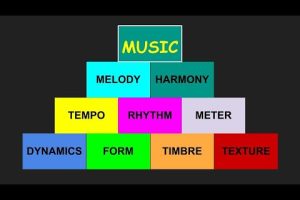
To fully grasp what music is, you need to understand the building blocks that musicians and composers use to construct it. These elements are the foundation of music theory basics and appear in virtually every genre, tradition, and era:
- Pitch — The highness or lowness of a sound, determined by frequency. Pitch creates melodies and harmonies.
- Rhythm — The pattern of sounds and silences over time, including beat, tempo, and meter.
- Dynamics — The variation in volume, from pianissimo (very soft) to fortissimo (very loud).
- Timbre — The tonal quality or “color” of a sound that distinguishes one instrument from another.
- Texture — How many layers of sound are heard simultaneously and how they interact.
- Form — The structural organization of a musical piece over time.
When these elements combine intentionally, sound transforms into something greater than noise. That intentional organization is precisely what separates music from random sound, and it is the core answer to any what constitutes music inquiry.
The Historical Evolution of Music
Understanding the definition of music also means appreciating how it has evolved across centuries. Music predates written history — archaeological discoveries of bone flutes dating back over 40,000 years confirm that humans have been creating musical expressions since the earliest days of our species.
Ancient Musical Traditions
In ancient civilizations, music served purposes far beyond entertainment. The Greeks associated music with mathematics and cosmic order. Indian classical music developed sophisticated systems of ragas and talas thousands of years ago. African drumming traditions carried spiritual, communicative, and communal significance. These early musical forms were deeply embedded in religious ceremonies, storytelling, and social structures. The meaning of music in these contexts was inseparable from survival, spirituality, and identity.

Modern Music Evolution
The Western art music tradition gave rise to the symphony, opera, and concerto during the Baroque, Classical, and Romantic periods. The 20th century exploded with jazz, blues, rock, electronic music, hip-hop, and countless other genres. Today, digital production tools and global streaming platforms have democratized music creation, making it possible for anyone with a laptop to produce professional-quality tracks. This evolution underscores that what is music continues to be redefined by technology, culture, and human creativity.
Key Components of Music in Practice
For anyone studying music — whether as a casual listener or a serious musician — understanding the practical components matters just as much as the theoretical ones. Here is how the key elements work together in real-world music-making:

- Melody serves as the most memorable part of a song — the tune you hum after hearing it once.
- Harmony adds depth by stacking notes together, creating chords that support or contrast the melody.
- Rhythm and Meter provide the temporal framework, giving music its pulse and groove.
- Timbre ensures that a piano and a guitar playing the same note sound completely different.
- Dynamics create emotional tension and release through volume changes.
- Form organizes these elements into coherent structures like verse-chorus-bridge or sonata form.
Mastering these components is what separates someone who simply listens to music from someone who truly understands what music is as a crafted discipline.
Types and Genres of Music
The world of music is staggeringly diverse. Every culture has developed its own musical traditions, and the sheer number of types of music continues to grow. Some major categories include:
- Classical Music — Rooted in Western art music traditions spanning from the medieval period to contemporary compositions.
- Jazz — Born in the African American communities of New Orleans, emphasizing improvisation and complex harmonies.
- Rock and Pop — Dominated global popular culture from the mid-20th century onward with electric instruments and catchy song structures.
- Hip-Hop and Rap — Built on rhythmic vocal delivery, beat production, and lyrical storytelling.
- Electronic and Dance Music — Created primarily through synthesizers, digital audio workstations, and DJ culture.
- World Music — An umbrella category encompassing folk, traditional, and indigenous music from every continent.
Each genre carries its own conventions, but the underlying musical definition remains consistent — intentional sound organized in time. The differences lie in execution, cultural context, and the emotional intent of the creators.
Why Music Matters: The Science and Psychology
Beyond the artistic and cultural dimensions, music has profound effects on the human brain and body. Neuroscience research has shown that music activates multiple regions of the brain simultaneously, including areas responsible for motor control, emotion, memory, and reward. Listening to music releases dopamine — the same neurotransmitter associated with pleasure and motivation. Studies have demonstrated that music therapy can reduce anxiety, alleviate symptoms of depression, improve cognitive function in patients with Alzheimer’s disease, and even accelerate physical rehabilitation after stroke.
The psychological impact of music extends to social bonding as well. Group singing, dancing, and collective music-making release oxytocin and endorphins, reinforcing trust and connection between individuals. This explains why music has been a cornerstone of human social life from the earliest tribal gatherings to modern festivals and concerts.
How Music Is Defined Across Different Contexts
The definition of music can vary significantly depending on the context in which it is examined. The table below compares how music is understood across different domains:
| Context | Definition Focus | Key Emphasis |
| Music Theory | Structured organization of sound and silence | Pitch, rhythm, harmony, form |
| Cultural Anthropology | Sound as social practice and identity | Ritual, communication, tradition |
| Neuroscience | Auditory processing and brain response | Neural activation, emotional response |
| Philosophy | Music as aesthetic experience and meaning | Beauty, interpretation, subjectivity |
| Technology | Sound as digital signal and production | Synthesis, sampling, digital audio |
| Education | Music as learnable skill and literacy | Practice, theory, performance |
This comparative approach reveals that the what is music question does not have a single universal answer. It depends on whether you are asking a scientist, a philosopher, a musician, or a technologist. Each perspective adds a vital layer to the complete picture.
Expert Tips for Deepening Your Understanding of Music
If you want to move beyond surface-level definitions and develop a richer, more nuanced understanding of music, consider these practical recommendations:
- Listen actively — Instead of background music, sit with a piece and identify its elements — the melody, the harmony, the rhythm, the texture.
- Explore unfamiliar genres — Listen to Indian raga, West African drumming, or Scandinavian folk to expand your definition of what music can be.
- Study basic music theory — Even a beginner’s understanding of scales, chords, and time signatures transforms how you hear music.
- Try creating music — Even simple digital audio workstation experiments reveal the intentionality behind every composed piece.
- Read music history — Understanding how music evolved in different cultures gives you context that enriches every listening experience.
Conclusion
The definition of music is as vast and layered as the art form itself. It is organized sound, yes — but it is also emotion, culture, science, identity, and connection. Whether you approach music from the perspective of a listener, a performer, a scholar, or a creator, the meaning of music deepens the more you engage with it. Understanding what music is requires curiosity, openness, and a willingness to explore both its technical foundations and its profoundly human dimensions. The more you learn, the more you realize that music is not just something you hear — it is something you feel, think, and live.
Frequently Asked Questions
1. What is the simplest definition of music?
The simplest definition of music is organized sound that is intended to be expressive or meaningful. It combines elements like pitch, rhythm, and dynamics in patterns that the human brain interprets as art rather than noise.
2. How does music differ from noise?
The key difference lies in intention and organization. Music involves deliberate patterns of pitch, rhythm, and structure, while noise is random, unstructured sound. However, some experimental genres deliberately blur this boundary, challenging listeners to reconsider what qualifies as music.
3. Can music exist without words?
Absolutely. Instrumental music — from classical symphonies to electronic ambient tracks — communicates emotion, narrative, and structure entirely without lyrics. In fact, much of the world’s oldest and most profound musical traditions are purely instrumental.
4. Why do different cultures define music differently?
Music is deeply shaped by cultural values, available instruments, religious practices, and social structures. A Western listener might define music primarily through melody and harmony, while an expert in Balinese gamelan might emphasize interlocking rhythmic patterns. These differences reflect the diverse ways humans organize sound to serve their unique needs.
5. What role does music theory play in understanding music?
Music theory provides the analytical framework for understanding how music works. It explains why certain chord progressions feel satisfying, how rhythm creates momentum, and how composers structure entire pieces. While theory does not define music’s emotional power, it illuminates the mechanics behind it.
6. Is music a universal human experience?
Yes — every known human culture has produced music. From the oldest known bone flutes to modern digital production, music appears to be a fundamental part of the human experience, hardwired into our social and neurological makeup.