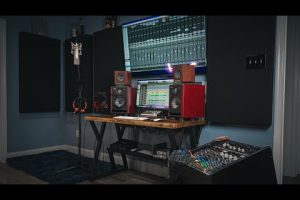
If you have ever dreamed of recording professional-quality music, podcasts, or voiceovers from the comfort of your own space, then choosing the right equipment for home studio is the single most important decision you will make. A well-equipped home studio is no longer a luxury reserved for professional recording facilities—it has become an accessible, affordable reality for musicians, content creators, podcasters, and audio engineers alike. Whether you are a complete beginner taking your first steps or an experienced producer looking to refine your setup, understanding what gear truly matters can save you from wasting money on unnecessary equipment while ensuring your recordings sound polished and broadcast-ready.
Why Your Home Studio Equipment Choices Matter
The difference between a mediocre recording and a professional one often comes down to the tools you use. A home studio setup is only as strong as its weakest link, and every piece of equipment plays a specific role in capturing, processing, and delivering high-quality audio. Investing thoughtfully in home recording equipment means you control the entire creative pipeline—from signal capture to final mix—without ever leaving your room. This level of creative control is precisely what makes building a home studio so rewarding in 2024 and beyond.
Many newcomers make the mistake of buying expensive gear they do not fully understand or, conversely, skimping on essentials that directly impact sound quality. The key is to prioritize equipment that addresses the fundamentals: accurate monitoring, clean signal conversion, and reliable recording software. Everything else is a bonus that layers on top of a solid foundation.
Essential Equipment for Home Studio Beginners
Starting from scratch can feel overwhelming, but breaking your home studio gear list into core categories makes the process manageable. Here are the foundational pieces every beginner needs.

Audio Interface
An audio interface is the heart of any home recording setup. It converts analog signals from microphones and instruments into digital data your computer can process, and vice versa for playback. Without a quality interface, even the best microphone will sound flat and lifeless.
When selecting an audio interface for your home studio, consider these factors:
- Number of input channels (at least one XLR combo input for vocals or instruments)
- Built-in preamps with clean gain and low noise floor
- Sample rate and bit depth support (48kHz/24-bit is the current standard)
- Connectivity (USB is the most common and reliable for beginners)
- Latency performance for real-time monitoring during recording sessions
Studio Monitors
Unlike consumer speakers that color the sound to make everything feel louder and more exciting, studio monitors are designed for accuracy. They reveal the true character of your audio so you can make informed mixing and mastering decisions. Powered nearfield monitors are the standard choice for home studios because they deliver consistent sound at close listening distances, reducing the impact of room acoustics.
Popular starter options include the KRK Rokit series, Yamaha HS5, and Adam Audio T5V. Each offers a flat frequency response in a compact form factor suitable for small rooms.
Microphones
A quality condenser microphone is the go-to choice for vocals, acoustic instruments, and voiceover work. For beginners, a large-diaphragm condenser with a cardioid polar pattern provides versatility and excellent off-axis rejection. The Audio-Technica AT2020 and Rode NT1-A remain industry favorites at accessible price points.
If you plan to record loud sources like guitar amplifiers or drums, a dynamic microphone such as the Shure SM57 or Shure SM58 is indispensable. These rugged workhorses handle high sound pressure levels with ease and add a warm, character-rich tone.
Recording Software (DAW)
A digital audio workstation is the software environment where you record, edit, mix, and master your projects. Free options like Audacity and Cakewalk by BandLab provide robust functionality for beginners, while more advanced users gravitate toward Ableton Live, Logic Pro, or FL Studio. Most modern DAWs include built-in plugins for equalization, compression, reverb, and delay, giving you a professional toolkit right out of the box.
Intermediate Gear That Elevates Your Sound
Once you have mastered the basics and feel limited by your current gear, it is time to explore intermediate-level equipment for home studio that unlocks new creative possibilities.
Powered Studio Headphones
Closed-back studio headphones are essential for tracking vocals and instruments without bleed, while open-back models offer a wider, more immersive soundstage for mixing. The Beyerdynamic DT 770 Pro and Audio-Technica ATH-M50x are widely regarded as benchmark choices. Having both closed-back and open-back options in your home studio setup gives you the flexibility to switch between recording and mixing sessions seamlessly.
Microphone Preamp and Pop Filter
While most audio interfaces include built-in preamps, adding an external preamp introduces additional gain staging flexibility and sonic character. A pop filter is a small but crucial accessory that reduces plosive sounds (like hard “P” and “B” consonants) that can distort recordings. These affordable additions dramatically improve vocal tracks and are among the most overlooked pieces of home recording equipment.
Acoustic Treatment
Many producers underestimate the impact of room acoustics on their recordings. Foam panels, bass traps, and diffusion panels help control reflections, standing waves, and flutter echoes that muddy your mixes. Even a modest acoustic treatment setup—starting with foam panels at primary reflection points on side walls—can transform the accuracy of what you hear in your monitors.
Advanced Equipment for Professional Results
For experienced producers and engineers serious about achieving broadcast-quality output, the following advanced gear takes a home studio to the next tier.
Reference Monitors and Subwoofer
Upgrading to larger studio monitors or adding a dedicated subwoofer extends low-frequency accuracy, which is critical for mastering and producing bass-heavy music genres. Monitors with built-in DSP calibration, such as the Genelec 8351B or Neumann KH 310, use room correction algorithms to compensate for your specific acoustic environment.
Outboard Compression and EQ
Hardware processors provide a tactile, hands-on approach to shaping sound that digital plugins can only approximate. A single-channel optical compressor like the Empirical Labs Distressor or a semi-parametric EQ such as the Neve 1073 adds warmth, punch, and character to vocals, drums, and master bus processing.
MIDI Controller and Synthesizer
For producers working in electronic music, pop, or hip-hop, a high-quality MIDI controller keyboard or pad controller integrates directly into your DAW workflow. Hardware synthesizers like the Dave Smith Prophet Rev2 or Moog Sub 37 offer hands-on sound design capabilities that inspire creativity and provide sounds no software plugin can fully replicate.
Comparison Table: Beginner vs. Intermediate vs. Advanced Home Studio Gear
| Category | Beginner | Intermediate | Advanced |
| Audio Interface | Focusrite Scarlett Solo (2nd Gen) | Universal Audio Apollo Twin MKII | Lynx Hilo NEO |
| Microphone | Audio-Technica AT2020 | Neumann TLM 103 | Neumann U87 Ai |
| Studio Monitors | KRK Rokit 5 G4 | Yamaha HS8 | Genelec 8351B |
| Headphones | Audio-Technica ATH-M40x | Beyerdynamic DT 770 Pro | Sennheiser HD 800 S |
| DAW | GarageBand / Audacity | Logic Pro / FL Studio | Pro Tools Studio / Cubase Pro |
| Acoustic Treatment | DIY foam panels | Primacoustic Broadway panels | Custom-built room with diffusion |
Home Studio Equipment Checklist
Use this practical checklist to ensure nothing is missing when building or upgrading your home studio setup:
- Audio interface with at least one microphone input
- Large-diaphragm condenser microphone for vocals and acoustic instruments
- Dynamic microphone for loud sources and live recording
- Powered studio monitors (pair) matched to your room size
- Closed-back headphones for tracking, open-back for mixing
- DAW software with essential plugins included
- XLR cables, TRS cables, and USB cables (high-quality brands)
- Pop filter or windscreen for vocal recording
- Sturdy mic stand with boom arm
- Basic acoustic treatment panels
- External hard drive for project backup and storage
- MIDI controller (for beatmaking, composition, and virtual instruments)
Expert Tips for Maximizing Your Home Studio Investment
Before purchasing any piece of equipment for your home studio, always research real-world reviews and listen to comparison demos whenever possible. The most expensive gear is not always the best choice for your specific needs—context matters enormously. Start with fewer, higher-quality pieces and expand your setup gradually as your skills and demands grow. This approach prevents gear overload and keeps your focus on developing your craft rather than chasing the latest equipment.
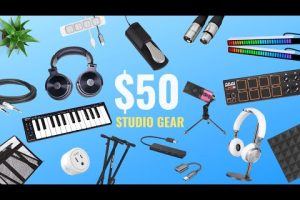
Another often overlooked tip is to prioritize acoustic treatment before upgrading microphones or monitors. Even a $50 foam panel investment can dramatically improve the accuracy of your monitoring environment, making every dollar you spend on gear more effective. Treat your room first, then let your ears guide your purchasing decisions.
Frequently Asked Questions About Home Studio Equipment
What is the most important piece of equipment for a home studio?
The audio interface is widely considered the most critical component of a home studio setup. It handles the essential task of converting analog audio signals to digital data and back again with minimal latency and maximum fidelity. A poor-quality interface will degrade the sound of even the most expensive microphone and studio monitors, making it the foundation upon which every other piece of your chain depends.
How much does it cost to set up a basic home studio?
A functional beginner home studio setup can be built for between $300 and $800, depending on brand choices and whether you purchase new or refurbished equipment. This budget typically covers an entry-level audio interface, a condenser microphone, a pair of budget studio monitors, basic cables, a pop filter, and a DAW. Intermediate setups generally fall in the $1,000 to $3,000 range, while advanced professional-grade home studios can exceed $10,000.
Do I need a powerful computer for music production at home?
A moderately powerful computer is essential for running modern digital audio workstations smoothly, especially when working with multiple audio tracks, virtual instruments, and real-time effects processing. You do not need a top-of-the-line gaming PC, but aim for at least 16GB of RAM, a multi-core processor (Intel i7 or equivalent), and a solid-state drive for fast audio file loading and project saves. A dedicated audio interface with its own driver also significantly reduces the strain on your computer’s processing power.
Can I use studio headphones instead of monitors for mixing?
While studio headphones are useful for tracking and editing, they should not be your sole mixing tool for a home studio production environment. Headphones color the stereo image differently than speakers, and low-frequency accuracy is inherently limited in closed-back designs. Professional producers use both monitors and headphones—monitors for the overall mix balance and low-end assessment, and headphones for detailed editing, panning checks, and identifying subtle artifacts.
What acoustic treatment do I actually need for a small home studio?
For a small home studio room, start with bass traps in the corners to manage low-frequency buildup, absorptive panels at primary reflection points on the side walls and ceiling, and a diffuser on the rear wall to scatter reflections evenly. This combination creates a more balanced listening environment without deadening the room entirely. The goal is controlled absorption—reducing problematic resonances while preserving a natural, lively feel that supports accurate mixing decisions.
Conclusion
Building the perfect equipment for home studio is a journey that evolves with your skills, genres, and creative ambitions. The most important principle is to invest deliberately—prioritizing quality over quantity and always letting your ears be the final judge. Whether you are just starting out with a single microphone and a laptop or assembling a fully treated, pro-level production environment, every thoughtful upgrade brings you closer to capturing the sounds inside your head with clarity and confidence. Start with the essentials, learn the craft, and expand your home studio setup only when your current tools genuinely hold you back from creating the music you envision.