


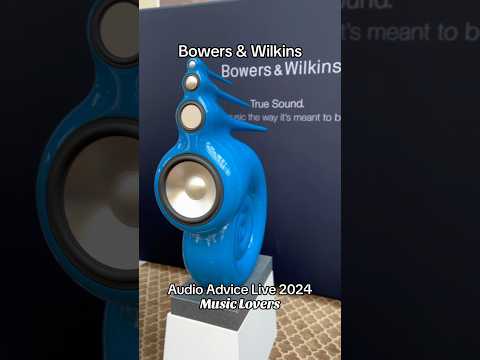
Whether you are a casual listener trying to get better sound from your phone or a seasoned audiophile chasing the perfect soundstage, audio advice is the compass that helps you navigate an overwhelming market of gear, technologies, and conflicting opinions. The world of sound is deeply technical yet profoundly personal. What sounds warm and rich to one person might feel muddy or bass-heavy to another. That is exactly why expert audio advice matters — it cuts through the noise and gives you a clear, actionable path toward better listening, whether your budget is fifty dollars or five thousand. In this comprehensive guide, we will walk you through everything from beginner fundamentals to advanced calibration techniques, so you can make smarter decisions about every piece of your audio chain.
What Is Audio Advice and Why Does It Matter?
At its core, audio advice refers to informed guidance on selecting, setting up, and optimizing audio equipment for the best possible listening experience. This spans headphones, speakers, amplifiers, digital-to-analog converters, cables, room treatment, and even streaming services or source files. But it goes beyond just product recommendations. True audio advice addresses the science of sound — frequency response, impedance, signal-to-noise ratio, dynamic range, and psychoacoustics — in ways that are practical and accessible.
Many people buy expensive audio gear based on marketing hype and walk away disappointed because they never learned how to use it properly. On the other hand, a well-chosen budget setup with correct placement and tuning can outperform a costly misconfigured system. This is why seeking reliable audio guidance and tips before purchasing or upgrading your setup is one of the smartest investments you can make in your listening experience.
Understanding Your Audio Needs as a Beginner
If you are new to the world of audio, the sheer number of options can feel paralyzing. The first step in any solid audio advice roadmap is self-assessment. Ask yourself what you primarily listen to, where you listen, and what matters most to you. These answers shape everything that follows.
Here are the core categories beginners should understand:

- Music genre preferences — Classical and jazz listeners prioritize clarity and spatial imaging, while rock and electronic fans often care more about impact and bass accuracy.
- Listening environment — Are you at a desk in a small apartment, or do you have a dedicated listening room? The environment dictates the type of equipment that will perform best.
- Budget allocation — Most audio experts recommend spending more on source quality and less on flashy accessories. A good DAC paired with decent headphones will always outperform a mediocre pair of expensive speakers in a noisy room.
Beginner audio tips often start with headphones because they are affordable, portable, and forgiving of imperfect rooms. Over-ear closed-back models from brands like Audio-Technica, Beyerdynamic, or Sennheiser offer excellent value and require almost no setup. If you prefer speakers, a pair of bookshelf monitors on stands with a small amplifier can deliver surprisingly immersive sound even in a modest space.

Intermediate Audio Advice: Upgrading Your Setup
Once you have settled into a basic setup, the next phase is where intermediate audio advice becomes especially valuable. You start noticing details that were invisible before — a singer’s breath, the decay of a cymbal, the separation between instruments in a dense mix. At this stage, upgrades should focus on reducing bottlenecks in your signal chain.
Follow this prioritized upgrade path for the best results:
- Source quality — Switch from compressed streaming to lossless formats like FLAC or ALAC. Services like Tidal, Apple Music, and Amazon Music HD now offer high-resolution audio that reveals nuances in recordings you never knew existed.
- Digital-to-analog converter (DAC) — An external DAC bypasses the low-quality amplifiers built into laptops and phones, delivering cleaner, more detailed sound. Models from companies like Schiit, Topping, or SMSL are excellent starting points.
- Headphone amplifier or speaker amplifier — If your headphones are power-hungry (above 250 ohms) or your speakers demand more current, a dedicated amplifier can unlock their full potential.
- Cables and interconnects — This is often where beginners overspend unnecessarily. In most home audio setups, well-made cables within a reasonable price range perform nearly identically to boutique options costing ten times more.
One of the most commonly overlooked pieces of audio setup guidance at this stage is cable management and electromagnetic interference. Keep power cables away from audio signal cables, use shielded connections where needed, and ensure your equipment has proper ventilation.
Choosing the Right Headphones or Speakers
When choosing between headphones and speakers, the decision comes down to your use case and priorities. Headphones offer isolation and detail but can cause ear fatigue during long sessions. Speakers provide a more natural, spacious presentation but require room treatment for optimal results. Below is a quick comparison to help you decide:
| Feature | Headphones | Speakers |
| Soundstage | Good (in-head) | Excellent (room-filling) |
| Portability | Excellent | Poor |
| Room interaction | Minimal | Major impact |
| Long-session comfort | Varies greatly | Generally better |
| Cost for quality | Lower entry point | Higher entry point |
Advanced Audio Advice for Audiophiles and Professionals
For those who have exhausted the basics and want to push their systems to the limit, advanced audio advice delves into room acoustics, speaker placement science, and digital signal processing. At this level, the room itself becomes your most important piece of equipment — often more important than the speakers or headphones you choose.
Advanced listeners should focus on these areas:
- Room treatment — Bass traps in corners, absorption panels at first reflection points, and diffusion on rear walls dramatically reduce resonances and flutter echoes that smear the stereo image.
- Speaker placement — The equilateral triangle rule (speakers and listening position forming an equilateral triangle) remains a foundational starting point. Tweeters should be at ear height, and speakers should be at least 12 inches from the rear wall to minimize bass buildup.
- Room correction software — Tools like Dirac Live, REW (Room EQ Wizard), and Sonarworks Reference allow you to measure your room’s frequency response and apply corrective EQ with stunning precision.
- High-resolution mastering and file formats — Understanding the difference between DSD, PCM, MQA, and standard PCM formats helps you choose the best source material for your equipment.
Room Acoustics and Calibration
Even the most expensive speakers sound mediocre in an untreated room. Acoustic panels, bass traps, and diffusers transform reflective spaces into controlled listening environments. For professional audio advice on room calibration, start with measurement microphones like the UMIK-1 or miniDSP UMIK-2, run impulse response tests in your room, and identify problem frequencies. Then use parametric EQ to tame peaks and smooth out dips. This process, known as room correction, can take a budget speaker setup and make it rival systems costing thousands more.
Expert Tips for Better Audio in Any Environment
Regardless of your level, these expert audio tips apply universally:
- Decarbonize your setup — Power conditioning units and isolation platforms (like IsoAcoustics stands) reduce vibration transfer and electrical noise that degrade clarity.
- Break-in is real, but limited — Headphones and speakers can change slightly over the first 100–200 hours of use as driver suspensions loosen, but do not expect miracles from extended burn-in.
- Trust your ears, but verify with measurements — Subjective listening is valuable, but tools like frequency response graphs, impedance curves, and distortion measurements provide objective data that prevents you from being misled by placebo.
- Upgrade in order of diminishing returns — The biggest improvements come from upgrading your weakest link. Find the bottleneck in your chain and address it first before spending on components that will not make a meaningful difference.
Audio Advice FAQs
What is the best audio advice for someone starting out with a limited budget?
Start with a pair of quality over-ear headphones and a simple DAC/amp combo. Avoid spending heavily on cables or accessories. Focus on lossless audio sources and learn your gear’s strengths before upgrading. The best budget audio advice is to invest in the source and the driver, not the extras.
How do I choose the right headphones for my music taste?
If you listen primarily to vocals and acoustic music, look for warm, balanced tuning with smooth highs. For electronic and hip-hop, prioritize strong sub-bass extension and good low-mid punch. For classical and orchestral music, choose headphones with wide soundstage, excellent treble detail, and low distortion. Always read frequency response reviews and, if possible, audition the headphones before buying.
Does room placement really affect sound quality that much?
Yes, profoundly. Speaker placement affects bass resonance, stereo imaging, and frequency response dramatically. Moving a speaker just a few inches can shift bass peaks by 10 dB or more. The equilateral triangle rule, distance from walls, and toe-in angle are among the most impactful variables you can control for free.
What is the most important piece of audio advice for headphone users?
Get the right fit. Even the most expensive headphones sound mediocre if the ear pads do not seal properly against your head. Over-ear pads with good seal deliver better bass response and noise isolation than any amplifier upgrade. Clean your ear pads regularly and replace them when they lose their cushioning.
Is it worth investing in a dedicated DAC and amplifier?
For most listeners using high-impedance headphones or studio monitors, a dedicated DAC and amplifier is absolutely worth it. Built-in audio solutions in laptops and phones are optimized for compactness and cost, not sound quality. A quality external DAC reveals details in recordings that are invisible on built-in audio, making it one of the highest-value upgrades available.
Conclusion
Audio advice is not about buying the most expensive gear or following trends — it is about understanding how sound works, knowing your own preferences, and making informed decisions at every step of your listening journey. From choosing your first pair of headphones to calibrating a professional-grade listening room, the principles remain the same: start with the weakest link, prioritize source quality, treat your room, and always trust both measurements and your own ears. The world of audio is endlessly rewarding, and with the right guidance, every upgrade brings you closer to the listening experience you have always imagined.