Writing song lyrics is one of the most rewarding creative endeavors a person can pursue, whether you are crafting your first chorus or polishing your tenth album. The process blends poetry, storytelling, and musical intuition into a single art form that moves people emotionally. But if you have ever stared at a blank page wondering how do you write song lyrics, you are not alone. Every songwriter—from chart-topping pop producers to bedroom indie artists—started exactly where you are now. This guide walks you through the complete journey of lyric writing, covering foundational techniques, intermediate strategies, and advanced methods that professionals use daily. By the end, you will have a clear roadmap to turn raw emotions and ideas into powerful, memorable lyrics.
Understanding What Makes Song Lyrics Work
Before diving into the mechanics, it helps to understand why certain lyrics resonate while others fade into the background. Great song lyrics are not just collections of pretty words set to a melody—they serve a purpose. They tell a story, convey an emotion, or capture a universal feeling in a way that feels deeply personal yet widely relatable. The best lyricists understand that writing song lyrics is about compression: saying something profound in as few syllables as possible while maintaining rhythm, rhyme, and emotional weight.
The DNA of Effective Lyrics
Every strong lyric shares several core qualities that set it apart from ordinary writing. Consider these foundational elements when you begin crafting your own lines:
- Imagery: Vivid, sensory language that paints pictures in the listener’s mind. Instead of saying “I am sad,” describe the cracked phone screen left on read or the empty hallway light.
- Emotional Authenticity: Listeners can detect manufactured sentiment instantly. Write from genuine experience or deeply felt perspective.
- Rhythmic Flow: Lyrics must sit naturally on a melody. Word stress, syllable count, and natural speech patterns all matter.
- Memorable Hooks: The chorus or key phrase should lodge itself in the listener’s memory after one or two listens.
- Structural Clarity: Listeners should always know where they are in the song’s narrative arc.
The Core Elements of Song Lyrics
To learn how to write lyrics effectively, you need to understand the structural components that make up a typical song. These building blocks give your writing a framework to work within while still leaving plenty of room for creativity.
Verses, Choruses, and Bridges Explained
The verse is where you set the scene and develop your narrative. Think of it as the paragraph of your song—it provides context, details, and progression. The chorus is the emotional peak and the most memorable section; it should contain the central theme or hook. The bridge offers contrast, introducing a new perspective or a shift in emotional intensity before the final chorus lands.
Beyond these three main sections, many songs also include a pre-chorus, which acts as a transition building tension before the chorus drops, and an intro or outro that bookends the piece. Understanding what each section does allows you to use them strategically rather than filling space randomly.

Rhyme Schemes and Phrasing Techniques
Rhyme is a powerful tool, but it should serve the song rather than dominate it. Common schemes include AABB (consecutive lines rhyme), ABAB (alternating rhyme), and ABCB (the second and fourth lines rhyme). Advanced lyricists also use slant rhyme or near rhyme, where words sound similar but do not perfectly match, adding texture without sounding forced.
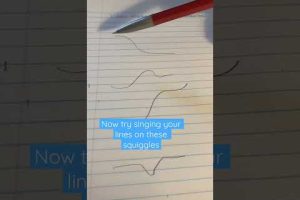
Phrasing refers to how words sit on the beat. Try singing your lines before locking them into a rhyme scheme. Sometimes the most natural phrasing breaks conventional rules, and that is exactly what makes a lyric feel alive.
Step-by-Step Process to Write Song Lyrics
Now let us walk through the actual writing process, from the first spark of an idea to the finished lyric you can sing aloud.
- Start with a concept or emotion: Pick a theme—an heartbreak, a celebration, a moment of self-discovery, or even a simple observation. You do not need a full story yet. A single feeling is enough.
- Free-write for ten minutes: Write without editing. Capture images, phrases, fragments, and anything that connects to your concept. Do not judge what comes out.
- Identify your hook: Search through your free-write for a line or phrase that feels particularly punchy or memorable. This becomes your chorus anchor.
- Build your structure: Assign lines to verses, chorus, bridge, and any other sections. Arrange them so the emotional arc builds naturally.
- Refine word choice and rhythm: Go back through and tighten every line. Remove filler words, strengthen weak verbs, and ensure the syllable count fits your melody.
- Test by singing or speaking aloud: Your ear catches problems your eye misses. If a line trips you up, rewrite it.
- Seek feedback and revise: Share your lyrics with trusted listeners. Fresh ears often catch what you have become blind to.
This process is not rigid. Some songwriters skip steps, work out of order, or rewrite entire sections multiple times. The key is to have a method that reliably produces lyrics you are proud of.
Finding Inspiration and Generating Ideas
One of the biggest obstacles in lyric writing is the blank page. Songwriting inspiration comes from everywhere once you train yourself to notice it. Keep a notebook or a notes app dedicated to lyrical fragments—overheard conversations, striking images from your morning walk, a headline that hit you emotionally.
Other reliable sources of ideas include:
- Personal journals and memories: Your own life is the most authentic material you have access to.
- Other songs: Analyze what makes a lyric work, but always channel influence into original expression rather than imitation.
- Books, films, and poetry: Literary devices like metaphor, alliteration, and enjambment translate directly into powerful lyrics.
- Conversations and people-watching: Eavesdrop on real dialogue for natural phrasing and unexpected turns of phrase.
- Music theory and chord progressions: Sometimes a chord progression evokes a specific mood that suggests lyrical content.
The goal is to build an idea bank that you can pull from whenever a writing session begins. Professional songwriters rarely wait for inspiration—they create systems that make inspiration repeatable.
Advanced Techniques That Elevate Your Lyrics

Once you have mastered the basics of crafting song lyrics, you can explore techniques that separate average writing from truly exceptional work.
Metaphor and Symbolism
Metaphors allow you to express complex emotions through concrete images. Instead of saying “I feel trapped,” you might write about a bird with a broken wing or a clock with no hands. The best metaphors feel fresh and unexpected, giving listeners a new way to see something familiar.
The Power of Specificity
Generic lyrics are forgettable. Specific details—”the neon sign outside the laundromat” or “your coffee-stained letters on the counter”—immediately ground a song in reality and make it feel authentic. Specificity is one of the fastest ways to improve lyric writing at any skill level.
Repetition with Variation
Repetition creates familiarity and emphasis, which is why choruses repeat. But skilled lyricists add subtle variations each time—a new word, a slightly shifted perspective—that prevent the repetition from feeling stale and keep the listener engaged through every iteration.
Amateur vs. Professional Lyric Writing: A Side-by-Side Comparison
The table below highlights key differences between beginner and professional approaches to lyric writing, helping you identify areas to target in your growth.
| Aspect | Amateur Approach | Professional Approach |
| Idea Generation | Waits for inspiration; writes sporadically | Maintains an idea bank and writes regularly |
| Structure | Often ignores song form; sections feel loose | Uses verse-chorus-bridge deliberately to shape emotional arc |
| Language | Relies on clichés and generic phrases | Uses specific, vivid imagery and original metaphors |
| Rhyme | Forces rhymes that distort meaning | Uses slant rhyme and natural phrasing over perfect rhyme |
| Revision | Writes once and calls it done | Rewrites multiple drafts; tests aloud and with others |
| Emotional Range | Sticks to one mood per song | Creates dynamic shifts across sections for depth |
| Hook Development | No distinct hook; chorus blends into verses | Crafts a memorable, singable hook that anchors the song |
Practical Tips for Everyday Lyric Practice
Consistency matters more than talent in lyric writing. These daily habits will sharpen your skills faster than almost anything else:
- Write every day, even badly. Volume breeds quality. A terrible lyric today is raw material for a great one tomorrow.
- Study lyrics you admire. Print out the lyrics of songs you love and mark what specifically makes them effective—the word choice, the structure, the emotional turn.
- Set constraints. Try writing a song using only three chords, or limit yourself to 100 words total. Constraints force creativity.
- Collaborate with other songwriters. Different perspectives break you out of habitual patterns and introduce new techniques.
- Record your ideas immediately. Inspiration is fleeting. Use your phone to capture melodic fragments, lines, or titles before they disappear.
Common Mistakes to Avoid When Writing Lyrics
Even experienced writers fall into traps that weaken their lyrics. Watch out for these frequent errors:
- Over-explaining: Trust your listener. Show, do not tell. You do not need to spell out every feeling when an image can convey it.
- Ignoring rhythm: Lyrics that do not flow naturally on a melody feel awkward, no matter how clever the words are.
- Using filler words: Words like “um,” “yeah,” and “stuff” dilute your message. Every line should earn its place.
- Writing the same way every time: Stagnation kills creativity. Experiment with different genres, perspectives, and time periods for your songs.
- Neglecting the title: Your song title is the first thing listeners encounter. Make it compelling and representative of the song’s core idea.
Conclusion
Learning how do you write song lyrics is a journey that rewards persistence, curiosity, and emotional honesty. There is no single formula that guarantees a hit, but the techniques, structures, and habits outlined in this guide give you everything you need to start writing stronger, more compelling lyrics today. Begin with the basics—concept, structure, and rhythm—and progressively layer in advanced techniques like metaphor, specificity, and dynamic arrangement. The most important step is the one you take right now: put words on the page, sing them out loud, and refine them until they sing with truth. Your voice as a lyricist is unique, and the world needs the stories only you can tell.
Frequently Asked Questions

How do you write song lyrics for beginners who have never written before?
Start by choosing a single emotion or memory you want to express. Write it as a simple paragraph first, then break it into short lines. Focus on natural rhythm over rhyme at this stage. Many beginner songwriters find that writing to a simple chord progression helps words flow more freely than staring at a blank page.
What is the best way to start writing lyrics when you feel stuck?
Try free-writing for ten minutes without stopping or editing. Write about anything—the weather, a conversation you overheard, a color that makes you feel a certain way. Often, buried within the messy output you will find a phrase, image, or emotion worth developing into a full lyric. Another effective technique is to borrow a simple melody from a nursery rhyme or folk tune and write new words over it to break the ice.
How do professional songwriters approach lyric writing differently from amateurs?
Professionals treat lyric writing as a craft with deliberate systems rather than relying solely on inspiration. They maintain idea banks, revise extensively, test lyrics aloud, study other songwriters’ techniques analytically, and understand song structure deeply enough to break rules intentionally. They also prioritize specificity and originality over cliché, constantly pushing to find fresh angles on universal themes.
What makes a song lyric memorable and relatable to a wide audience?
Memorable lyrics combine specific, vivid imagery with universal emotional truths. When a listener can picture a concrete detail—a cracked phone screen, a specific road at sunset—while also recognizing the broader feeling being described, the lyric sticks. Strong melodic phrasing, a clear hook, and emotional authenticity all work together to make lyrics resonate long after the song ends.
Can anyone learn how to write song lyrics, or do you need natural talent?
Writing lyrics is a learnable skill, not an innate gift. Like any craft, it improves with deliberate practice, study, and feedback. While natural aptitude can give someone a head start, the songwriters who succeed long-term are those who commit to consistent writing, actively study the work of others, and are willing to revise ruthlessly. Talent opens a door, but practice and persistence walk you through it.