



The world of AI music trending has exploded into one of the most talked-about conversations in the creative industries. From viral TikTok tracks generated entirely by machine learning models to chart-topping collaborations between human artists and artificial intelligence, the landscape of music creation is undergoing a seismic transformation. If you have been following music production, streaming trends, or digital content creation, you have likely noticed that AI-generated music is no longer a novelty — it is a full-blown movement. This article dives deep into what is driving this trend, which tools are leading the charge, and how you can participate whether you are a curious beginner or a seasoned producer.
What Is AI Music Trending and Why It Matters
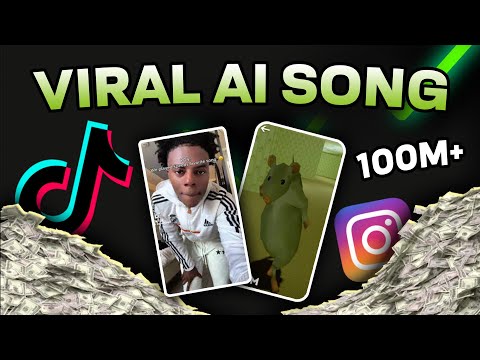
AI music trending refers to the rapid adoption and cultural momentum behind artificial intelligence tools that compose, produce, mix, and even master music with minimal human input. These systems leverage deep learning models trained on vast datasets of existing songs to generate original melodies, harmonies, rhythms, and even full vocal tracks. What makes this trend so significant is not just the technology itself but the way it is reshaping who gets to make music, how quickly content can be produced, and what listeners consider “authentic” in a song.
The rise of AI music is fueled by several converging forces. Processing power has become more accessible, open-source models like MusicGen and Stable Audio have democratized access, and social media platforms reward rapid content creation — a perfect storm for AI-generated tracks to go viral. The result is that AI music is no longer confined to research labs; it is dominating Spotify playlists, YouTube channels, and even earning placements on streaming charts.
Top AI Music Trends Shaping 2024 and Beyond

Understanding the current trends in AI-generated music gives you a competitive edge whether you are a creator, marketer, or simply a curious listener. Here are the most impactful trends driving the space right now.
Text-to-Music Generation
Text-to-music tools allow users to type a descriptive prompt — such as “lo-fi chill beat with ambient pads and a soft female vocal” — and receive a fully produced track within seconds. This trend has exploded because it lowers the barrier to entry dramatically. Platforms like Suno AI and Udio have captured massive user bases by making music generation feel as simple as writing a search query. The quality of output has improved so rapidly that distinguishing AI-generated tracks from human-made ones is becoming increasingly difficult.
AI-Assisted Vocal Cloning and Voice Synthesis
Vocal synthesis has reached a point where AI can replicate singing voices with startling accuracy. This trend has sparked both excitement and controversy, particularly around questions of consent and copyright. Tools that offer AI voice cloning for music enable producers to create tracks with virtual vocalists or even replicate the stylistic qualities of established artists — a development that is fueling debates about intellectual property and artistic identity.
Customizable Royalty-Free AI Music for Content Creators
YouTubers, podcasters, and social media managers are increasingly turning to AI music generators to create royalty-free background music tailored to specific moods, durations, and genres. This trend is especially powerful for creators who need unique soundtracks without the cost or licensing complexity of traditional music production.
AI Music in Live Performance and Interactive Experiences
Live performances are beginning to incorporate AI in real time. Artists are using generative models that respond to audience input, creating dynamic, never-repeating soundscapes during shows. This intersection of AI and live music is pushing the boundaries of what a concert experience can feel like.

Best AI Music Tools for Every Skill Level
The AI music landscape is crowded with options, but not every tool suits every user. Here is a breakdown of the most capable platforms organized by experience level.
For Beginners
- Suno AI — Intuitive interface, text-to-music generation, no prior music knowledge required.
- Udio — Simple prompt-based creation with high-quality output and genre flexibility.
- Soundraw — Drag-and-drop customization of AI-generated beats and loops.
For Intermediate Producers
- AIVA — Offers more control over composition structure, key signatures, and instrumentation.
- Stable Audio — Open-source model with fine-tuning capabilities and longer track generation.
- Mubert — Great for generating continuous, streamable AI music with customizable parameters.
For Advanced Users and Developers
- MusicGen by Meta — Open-source model with full control over audio generation parameters and latent space exploration.
- Google’s MusicLM — High-fidelity generation from detailed text descriptions, suited for researchers and advanced tinkerers.
- Riffusion — A creative model that generates music from spectrogram images, offering unique experimentation possibilities.
Comparison Table: Leading AI Music Platforms
| Platform | Best For | Generation Speed | Price Range |
| Suno AI | Full song creation from text prompts | Under 30 seconds | Free tier + Pro plans |
| Udio | High-quality genre-specific tracks | Under 30 seconds | Free tier + Plus plan |
| Soundraw | Customizable background music | 1-2 minutes | Subscription-based |
| AIVA | Cinematic and orchestral compositions | 1-3 minutes | Free tier + Pro plans |
| Stable Audio | Open-source flexible generation | Varies by model size | Free tier + Pro plans |
| MusicGen (Meta) | Research and advanced experimentation | Varies by hardware | Open source (free) |
How AI Music Is Changing the Industry
The impact of AI music trending extends far beyond individual creators. Record labels, publishers, and licensing companies are grappling with how to classify and regulate AI-generated content. Spotify and other streaming platforms have begun developing policies around AI-created tracks, particularly those that impersonate human artists without consent. This regulatory evolution will shape the industry for years to come.
For independent musicians, AI tools present both an opportunity and a threat. On one hand, aspiring producers can create polished demos and full tracks without expensive studio time. On the other hand, the sheer volume of AI-generated content flooding streaming platforms raises concerns about discoverability and fair compensation for human artists. The industry is at a crossroads where innovation must be balanced with ethical responsibility.
One of the most interesting developments is the rise of hybrid creativity — workflows where human artists use AI as a collaborator rather than a replacement. Producers are feeding AI-generated stems into their DAWs, manipulating outputs, and combining machine-generated ideas with their own creative instincts. This approach is producing genuinely novel sounds that neither humans nor AI could create alone.
Expert Tips and Practical Recommendations
If you are ready to dive into AI music creation, here are actionable tips that will save you time and improve your results significantly.
- Be specific with your prompts. Vague prompts like “make a song” produce generic output. Instead, describe the genre, tempo, instrumentation, mood, and vocal style. The more detail you provide, the more control you get over the final product.
- Iterate and refine. Treat AI as a collaborator, not a magic button. Generate multiple variations, then layer, edit, and combine elements to craft something truly original.
- Understand the licensing. Before using AI-generated music commercially, check the terms of service for the platform you are using. Some platforms grant full commercial rights on paid plans, while others restrict usage.
- Stay informed on copyright developments. The legal landscape around AI music is evolving rapidly. Following updates from the U.S. Copyright Office and the World Intellectual Property Organization will help you stay compliant and protect your work.
- Experiment across genres. One of the greatest strengths of AI music tools is genre-blending. Try prompts that combine unexpected styles — like jazz-infused synthwave or classical elements over trap beats — to discover unique sounds.
Frequently Asked Questions (FAQs)
1. Is AI-generated music copyrighted, and who owns it?
Current copyright law is still catching up with AI-generated music. In most jurisdictions, purely AI-generated works without significant human authorship may not qualify for copyright protection. However, when a human exercises substantial creative control over the AI output — through editing, arrangement, or prompt engineering — the resulting work may be eligible for copyright. Always review the specific terms of the AI platform you use, as ownership rights vary significantly between services.
Yes, AI-generated music has already gone viral on platforms like TikTok and Spotify. Tracks created using tools like Suno and Udio have accumulated millions of streams, though streaming platforms are increasingly implementing disclosure requirements and content policies around AI-generated music. The trend suggests that as long as the music resonates with listeners, it can perform well regardless of its origin.
3. What is the difference between AI music generators and traditional digital audio workstations?
Traditional digital audio workstations (DAWs) like Ableton Live or FL Studio require the user to compose, arrange, and produce music manually using virtual instruments and samples. AI music generators automate much of this process by interpreting text prompts or parameters to produce complete tracks instantly. However, many producers now combine both approaches, using AI to generate initial ideas and DAWs to refine and finalize their productions.
4. Will AI replace human musicians and composers?
While AI is transforming music production, it is unlikely to fully replace human musicians in the foreseeable future. AI excels at generating music quickly and at scale, but human creativity, emotional depth, cultural context, and live performance remain irreplaceable. The most likely future is one of collaboration, where AI augments human creativity rather than replacing it entirely.
5. Which AI music tool is best for creating background music for YouTube videos?
Soundraw and Mubert are particularly well-suited for YouTube background music because they offer customizable length, mood, and genre options, along with clear commercial licensing on their subscription plans. Suno AI is also a strong contender for creators who want more stylistic variety in their background tracks.
Conclusion
AI music trending is not a passing fad — it is a fundamental shift in how music is created, distributed, and experienced. The tools available today are more powerful and accessible than ever before, and the pace of innovation shows no signs of slowing down. Whether you are a content creator looking for unique soundtracks, a producer experimenting with new workflows, or a listener curious about the future of music, now is the time to engage with this rapidly evolving space. Embrace the technology, stay informed about the ethical and legal developments, and let AI expand the boundaries of what is musically possible. The next great track might not be written by a human at all — or it might be a beautiful collaboration between human imagination and artificial intelligence.