Songwriting is one of the most rewarding creative endeavors a person can pursue, yet the question “how do people write songs” remains one of the most searched queries in the music world. Whether you are a complete beginner picking up a guitar for the first time or a seasoned producer looking to refine your craft, understanding the songwriting process is essential. The truth is, there is no single universal formula — every songwriter has a unique approach, and the best songs often emerge from a blend of inspiration, discipline, and technique. In this comprehensive guide, we will break down the entire songwriting journey, from the initial spark of an idea all the way to a polished, finished track that listeners can connect with.
The Songwriting Process: A Step-by-Step Breakdown
Most professional songwriters follow a similar framework, even though their methods may differ on the surface. Understanding this framework helps demystify what might otherwise seem like pure magic. The songwriting process generally unfolds across several stages, each playing a critical role in shaping the final product.
Stage 1: Finding Your Inspiration
Every song begins with a spark. This could be a single lyric line, a melodic phrase that pops into your head while driving, an emotional experience you want to process, or even a photograph that triggers a feeling. Many songwriters keep voice memos or notebooks to capture fleeting ideas before they disappear. The key is to stay open and reactive to the world around you. Great songwriters train themselves to notice small details — a conversation overheard at a coffee shop, the way sunlight hits a window at a particular hour — and transform those observations into emotional storytelling.
Stage 2: Building the Foundation
Once you have an idea, the next step is establishing the song’s core structure. Most popular songs follow a verse-chorus-verse-chorus-bridge-chorus pattern, but this is far from rigid. Some songwriters start by laying down a chord progression on piano or guitar, while others build a beat first using digital audio workstation software. The foundation also includes defining the key, tempo, and mood of the track before any detailed writing begins.
Stage 3: Writing Lyrics and Melody
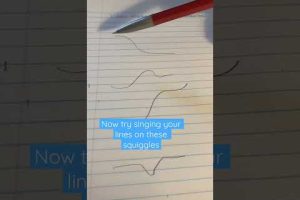
This is where the real craft comes in. Lyrics need to feel authentic, vivid, and emotionally resonant. Melody must complement the words without overshadowing them. Experienced songwriters often experiment with different melodic contours — rising during moments of tension, falling during resolution — to mirror the emotional arc of the story they are telling.
Stage 4: Refining and Polishing
Revision is where amateur efforts separate from professional ones. Top songwriters regularly rewrite entire sections, replace weak phrases with stronger imagery, and adjust melodic phrasing to improve singability. The goal is to make every word and note earn its place in the song.
Popular Songwriting Methods Used by Professionals
Not all songwriters start from the same place, and that is perfectly fine. In fact, the diversity of approaches is one of the reasons music remains so dynamic. Here are the most common methods people use to write songs:
- Lyric-First Writing: The songwriter starts with words, often journaling or free-writing until a theme or story emerges. The lyrics are then paired with chords and melody afterward.
- Melody-First Writing: A humming session or vocal improvisation leads the way. The melody comes first, and lyrics are crafted to fit the rhythmic and tonal shape of that melody.
- Chord Progression-First Writing: Many piano and guitar players begin by experimenting with chord progressions. A compelling sequence of chords can evoke an instant emotional response that guides the rest of the song.
- Beat and Production-First Writing: Common in hip-hop, electronic, and pop production, this method starts with a beat, loop, or instrumental bed. Vocals and lyrics are layered on top of the instrumental foundation.
- Collaborative Songwriting: Two or more writers bring different strengths to the table. One might specialize in lyrics while another crafts melodies, resulting in a more layered and polished final product.
The beauty of these methods is that they are not mutually exclusive. Many professional songwriters combine elements from multiple approaches depending on the song.
Tools and Techniques That Elevate Songwriting
While raw talent matters, having the right tools at your disposal can dramatically accelerate your progress. Here are some essential resources every songwriter should consider:
| Tool / Resource | What It Does | Best For |
| Digital Audio Workstation (DAW) | Record, edit, and produce music digitally | Beat-making, production, and recording demos |
| Guitar or Piano | Explore chord progressions and melodies | Melody-first and chord-first writers |
| Lyric Notebook or App | Capture ideas instantly | Lyric-first writers and journaling |
| Reference Tracks | Analyze structure, production, and arrangement | Learning professional techniques by ear |
| Metronome or Drum Loop Apps | Maintain consistent tempo | Keeping time during writing sessions |
| AI-Assisted Songwriting Tools | Generate chord suggestions, melody ideas | Overcoming writer’s block |
Beyond tools, technique plays a massive role. Practicing exercises like writing a song using only three chords, setting a strict 15-minute timer to force creative output, or rewriting someone else’s lyrics over your own melody can push your abilities in unexpected directions.
Songwriting Workflow: From Idea to Finished Song
A clear workflow prevents endless wandering and helps you finish songs rather than abandoning them halfway. Here is a practical workflow that works for writers at every level:
- Capture the Idea: Record a voice memo, jot down lyrics, or sketch a chord chart immediately when inspiration strikes. Do not wait — ideas vanish fast.
- Choose Your Starting Point: Decide whether you are writing from lyrics, melody, chords, or a beat. Pick one anchor and build outward.
- Draft the Structure: Map out your sections — intro, verse, pre-chorus, chorus, bridge, outro. Do not worry about perfection at this stage.
- Write a Rough Draft: Get the full song down in its raw form. Perfectionism is the enemy of progress during this phase.
- Review and Critique: Listen back with fresh ears after a break. Identify weak spots, repetitive phrases, or sections that do not serve the song’s emotional core.
- Revise and Refine: Rewrite lyrics, adjust melodies, experiment with different chord voicings, and tighten the arrangement.
- Finalize and Produce: Record a demo, add instrumentation or production elements, and prepare the song for sharing or release.
Following this process consistently trains your brain to approach songwriting as a skill rather than a mystery, which is exactly how professional songwriters think about their craft.
Common Mistakes Beginners Make When Writing Songs
Avoiding these pitfalls can save you months of frustration and help you write better songs faster:
- Overcomplicating Everything: New songwriters often pack too many chords, complex melodies, or excessive lyrics into a single song. Simplicity is a strength, not a weakness.
- Ignoring the Chorus: The chorus is the emotional centerpiece. If it is forgettable or underdeveloped, the entire song suffers.
- Waiting for Inspiration: Relying solely on inspiration leads to inconsistent output. Professional songwriters show up and write even when they do not feel inspired.
- Skipping the Rewrite: The first draft is almost never the best version. Revision is where songs are truly made.
- Comparing Yourself to Others: Every songwriter has a unique voice. Comparison steals joy and stifles creative risk-taking.
- Neglecting Melody in Favor of Lyrics (or Vice Versa): The best songs balance words and music so that neither element overshadows the other.
Advanced Songwriting Tips to Take Your Craft Further
If you have been writing for a while and feel stuck in a creative rut, these advanced strategies can reignite your growth:
Study Songs Outside Your Genre. If you write pop, listen to jazz, classical, or folk music. Cross-genre exposure introduces you to new chord progressions, lyrical devices, and structural possibilities that you would never encounter in your comfort zone.
Use the Contrast Principle. Make your verses and choruses feel distinctly different in melody range, rhythmic density, or emotional intensity. This contrast creates the sense of movement and release that keeps listeners engaged.

Write With Constraints. Give yourself artificial limitations — write a song using only four words, compose a track in a minor key you have never tried, or write a chorus that repeats only one vowel sound. Constraints force creative problem-solving and often produce unexpectedly brilliant results.
Co-Write With Someone Different From You. Collaboration with a writer who has a different skill set, background, or creative style challenges you to stretch beyond your habitual patterns and discover new dimensions in your writing.
Learn Basic Music Theory. You do not need a degree in music, but understanding scales, intervals, and chord functions gives you a vocabulary to make intentional creative choices rather than relying purely on trial and error.
Frequently Asked Questions
How do people write songs without knowing music theory?
Many successful songwriters have minimal formal music training. They rely on ear, intuition, and experimentation. Tools like chord charts, online tutorials, and reference tracks can bridge the gap between instinct and technique without requiring deep theoretical knowledge.
What is the best time of day to write songs?
There is no universally ideal time. Some songwriters prefer early morning when the mind is fresh and uncensored, while others find late-night sessions more creatively open. Experiment with different times and identify when your creativity flows most naturally.
How long does it take to write a song?
Timelines vary wildly. Some songs are written in 30 minutes, while others take weeks or months of refinement. There is no “correct” timeline — what matters is that the final product feels complete and emotionally authentic.
Can anyone learn how to write songs?
Absolutely. Songwriting is a craft that improves with practice, study, and persistence. While natural talent can provide a head start, dedication and consistent effort matter far more in the long run. Every professional songwriter was once a beginner who simply kept writing.
Do songwriters need to play an instrument?
While playing an instrument is highly beneficial, it is not strictly required. Many successful songwriters write lyrics and vocal melodies first, then collaborate with instrumentalists or producers to bring their vision to life. Digital tools and loop-based production software have also made instrument-free songwriting increasingly viable.
Final Thoughts
The question of how people write songs ultimately comes down to one powerful truth: there is no single right way, but there is a process worth committing to. Whether you start with words, melodies, chords, or beats, the most important step is the one you actually take. Write badly if you need to — the goal is progress, not perfection. Every great songwriter was once someone who simply decided to start. Pick up your instrument, open your notebook, or fire up your DAW, and begin writing today. The songs you create tomorrow will be better because you started.