


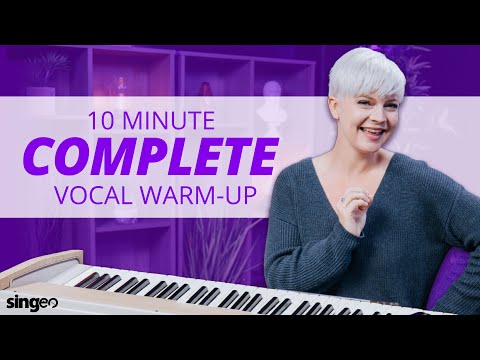
Whether you are a budding vocalist stepping onto the stage for the first time or a seasoned performer looking to refine your craft, common vocal exercises form the backbone of every great singing routine. Just like athletes stretch before a race, singers must warm up their instrument — the voice — to perform at their best. In this comprehensive guide, we will explore the most effective vocal warm-up exercises, explain why they work, and show you how to build a routine that scales from beginner basics to advanced techniques. If you have ever wondered how to improve your vocal range, reduce strain, or simply sing with more confidence, you are in the right place.
Why Common Vocal Exercises Are Essential for Every Singer
Many people assume that natural talent alone makes a great singer. While genetics certainly play a role, the truth is that consistent vocal training separates good performers from great ones. Vocal exercises for singers do more than just prepare your voice for performance — they strengthen the muscles involved in breathing, pitch control, and resonance over time.
Benefits of Regular Vocal Warm-Ups
Incorporating daily voice exercises into your routine delivers measurable results. Here are the key advantages:
- Improved vocal range — Regular stretching of the vocal cords allows you to hit higher and lower notes with ease.
- Better pitch accuracy — Exercises train your ear and your vocal cords to work in harmony, reducing off-key singing.
- Reduced vocal fatigue — Warming up increases blood flow to the laryngeal muscles, preventing strain during long performances.
- Enhanced breath control — Many vocal warm-up routines emphasize diaphragmatic breathing, which supports sustained notes and dynamic phrasing.
- Greater vocal flexibility — Your voice becomes more agile, allowing smoother transitions between registers and vocal styles.

Beginner vs. Advanced: Why Progression Matters
Not all singers start at the same level. Beginner vocal exercises focus on building foundational habits like proper breathing and gentle cord stretching. Advanced vocal exercises push the boundaries of range, agility, and tonal control. The key is to progress gradually — skipping steps or pushing too hard can lead to vocal nodules, hoarseness, or long-term damage.
The Most Common Vocal Exercises Every Singer Should Know
Below, we break down the most widely practiced vocal cord exercises used by professionals and voice coaches worldwide. Each one targets specific aspects of vocal technique, and when combined, they create a well-rounded warm-up session.
- Lip Trills (Lip Buzzing) — One of the most universally recommended singing warm-up exercises. You simply blow air through loosely closed lips to create a motorboat-like vibration. Lip trills help balance airflow and vocal cord tension without straining your voice.
- Humming — A gentle yet powerful exercise that engages the resonating chambers of your mouth and nasal passages. Humming on a comfortable pitch and then sliding up and down your range warms the cords gradually.
- Vocal Sirens — Imagine the sound of an ambulance siren, and replicate that with your voice. Sirens glide smoothly from your lowest comfortable note to your highest and back down. They are excellent for mapping your full vocal range and identifying break points between registers.
- Tongue Trills — Similar to lip trills but using the tongue instead. Rolling your R’s while humming or singing scales activates the tongue root and helps release tension in the jaw and throat.
- Scales and Arpeggios — The classic backbone of any vocal exercise routine. Singing major, minor, and chromatic scales on syllables like “la,” “ma,” or “gee” builds precision, ear training, and tonal consistency.
- Staccato and Legato Phrasing Drills — Alternating between short, detached notes and smooth, connected phrases trains your voice to switch between dynamic styles effortlessly.
- Yawn-Sigh Technique — Mimicking the feeling of a yawn while producing a gentle sighing sound opens the throat and promotes a relaxed, open vocal posture. This is especially helpful for singers who tend to tighten their throats under pressure.
Deep Dive: Lip Trills — The Gold Standard of Vocal Warm-Ups
Among all common vocal exercises, lip trills stand out for their versatility and safety. They are used by Broadway performers, recording artists, and voice coaches alike because they naturally regulate airflow and prevent excessive pressure on the vocal folds. To perform a lip trill correctly, relax your lips completely, place your fingers gently on your cheeks to support the vibration, and push a steady stream of air from your diaphragm. Start on a mid-range pitch and glide upward. If your lips stop vibrating, ease off the air pressure rather than forcing the sound.
Deep Dive: Vocal Sirens for Range Expansion
Vocal sirens are particularly effective for identifying where your voice transitions between registers — the chest voice, the head voice, and the mixed voice. By moving slowly and smoothly through these transition zones, you train your larynx to stay relaxed, reducing the cracking and straining that many singers experience. Professional voice therapists often recommend sirens as part of rehabilitation protocols for vocal fatigue or mild strain.

Comparison Table: Best Vocal Exercises by Skill Level
| Exercise | Skill Level | Primary Benefit | Recommended Duration |
| Lip Trills | Beginner to Advanced | Airflow regulation and cord relaxation | 2–3 minutes |
| Humming | Beginner | Resonance and gentle warm-up | 2 minutes |
| Vocal Sirens | Beginner to Intermediate | Range mapping and register transitions | 3–5 minutes |
| Tongue Trills | Intermediate | Jaw and tongue tension release | 2–3 minutes |
| Scales and Arpeggios | Beginner to Advanced | Pitch accuracy and technical precision | 5–10 minutes |
| Staccato/Legato Drills | Intermediate to Advanced | Dynamic control and stylistic versatility | 3–5 minutes |
| Yawn-Sigh Technique | Beginner | Throat opening and relaxation | 2 minutes |
How to Build a Daily Vocal Warm-Up Routine
A structured routine is the difference between random warm-ups and effective vocal training. Here is a simple, evidence-backed framework you can follow every day:
- Start with hydration and relaxation — Drink warm water or caffeine-free tea to hydrate your vocal cords. Roll your shoulders, gently massage your jaw, and take five slow, deep breaths from your diaphragm.
- Begin with humming — Spend about two minutes humming gently on a comfortable mid-range pitch. This wakes up your resonators without putting stress on the cords.
- Move to lip trills or tongue trills — Use these for another two to three minutes, sliding through your range slowly. Focus on keeping the sound steady and even.
- Progress to vocal sirens — Spend three to five minutes gliding from low to high and back. Pay attention to any points where your voice breaks and work through them gently.
- Practice scales and arpeggios — Dedicate five to ten minutes to singing scales on different syllables. Start with major scales, then incorporate minor and chromatic patterns as your comfort grows.
- Cool down with gentle humming — Finish your session with two minutes of soft humming to relax the cords after the workout.
Consistency matters more than duration. Even a focused 15-minute vocal warm-up routine performed daily will produce far better results than a sporadic hour-long session once a week.
Expert Tips for Maximizing Your Vocal Exercise Results
Top vocal coaches and ENT specialists agree on several best practices that elevate your training:
- Never push through pain. Discomfort during vocal exercises is a red flag. Pain indicates excessive tension or improper technique, and ignoring it can lead to serious vocal injuries.
- Use a recorder. Listening back to your practice sessions helps you identify pitch issues, breath leaks, and uneven tone quality that you may not notice in real time.
- Vary your syllables. Singing scales on “ee,” “ah,” “oo,” and “ng” targets different vowel shapes and engages different resonating spaces in your vocal tract.
- Incorporate breath exercises separately. Diaphragmatic breathing drills — such as sustained hissing or straw phonation — complement your vocal exercises and build the breath support your voice needs for powerful, sustained notes.
- Rest your voice. Vocal recovery is just as important as vocal training. Allow your cords adequate rest between intense practice sessions and avoid whispering, which actually strains the voice more than gentle speaking.
Common Mistakes to Avoid During Vocal Warm-Ups
Even experienced singers fall into habits that undermine their progress. Here are the most common pitfalls:
- Skipping warm-ups entirely. Jumping straight into full-volume singing puts enormous stress on cold vocal cords and increases injury risk significantly.
- Singing too loudly too soon. Gradual volume progression is essential. Start soft and build intensity as your cords warm up.
- Neglecting the low end of your range. Many singers focus only on their high notes, but neglecting the lower register creates imbalance and limits overall range development.
- Using improper posture. Slouching compresses the diaphragm and restricts airflow. Stand or sit with a straight spine, relaxed shoulders, and an open chest for optimal vocal production.
Frequently Asked Questions (FAQ)
1. What are the best common vocal exercises for beginners?
For beginners, humming, lip trills, and gentle vocal sirens are the safest and most effective starting points. These exercises build a strong foundation in breath control and pitch awareness without putting excessive strain on developing vocal cords.
2. How long should I spend on vocal exercises each day?
A focused daily vocal warm-up routine of 15 to 25 minutes is ideal for most singers. Professional performers may extend this to 45 minutes or more before demanding sessions, but quality and consistency matter more than sheer duration.
3. Can vocal exercises help with vocal strain and hoarseness?
Yes, when performed correctly, vocal cord exercises can alleviate mild vocal strain by improving blood circulation to the laryngeal muscles and promoting healthier vocal habits. However, persistent hoarseness lasting more than two weeks should be evaluated by an ENT specialist or laryngologist.
4. Is it okay to do vocal exercises cold, without a warm-up drink?
While warm beverages help relax the vocal tract, the most important factor is the gentle progression of your exercises themselves. Starting with soft humming and lip trills effectively “warms” the cords even without a drink, though hydration is always recommended.
5. What is the difference between vocal warm-ups and vocal cool-downs?
Vocal warm-ups gradually increase intensity and range to prepare the cords for performance, while vocal cool-downs involve gentle humming and soft descending scales to relax the muscles and clear residual tension after singing.
6. Can I improve my vocal range with these exercises alone?
Common vocal exercises are one of the most powerful tools for expanding your range, but they work best when combined with proper technique guidance from a qualified voice coach. Over time, consistent practice will help you access notes that once felt out of reach.
Conclusion: Make Common Vocal Exercises a Non-Negotiable Part of Your Practice
Mastering your voice is a journey, not a destination. The vocal exercises outlined in this guide — from simple humming and lip trills to dynamic sirens and precision scales — represent the core toolkit that singers at every level rely on. The difference between a good performance and a memorable one often comes down to how well you care for and train your instrument before you ever step into the spotlight. Commit to a daily routine, listen to your body, and invest in proper technique, and your voice will reward you with greater range, power, and expressiveness for years to come. Start today, stay consistent, and let your voice reach its full potential.