


If you have ever searched for the best music theory book to unlock the secrets of how music works, you already know how overwhelming the options can be. From foundational concepts like scales and intervals to advanced topics such as modal interchange and twelve-tone techniques, the right book can genuinely transform the way you understand and create music. Whether you are a complete beginner picking up an instrument for the first time, an intermediate player looking to sharpen your harmonic knowledge, or an advanced composer searching for deeper theoretical frameworks, this guide breaks down the top picks, compares them side by side, and gives you practical advice so you can choose with confidence.
Why Investing in the Right Music Theory Book Changes Everything
Music theory is not just an academic exercise—it is the language that connects every note, chord, and rhythm you play. A well-structured book provides a roadmap through that language, helping you build skills progressively rather than stumbling through scattered YouTube tutorials. When you commit to a single high-quality resource, you gain clarity, consistency, and a structured path forward that accelerates your growth as a musician.
Best Music Theory Book for Absolute Beginners
If you have never read a note of music before, starting with a book designed for total newcomers is essential. “Music Theory for Dummies” by Michael Pilhofer and Holly Day remains one of the most approachable entry points. It breaks down the fundamentals—reading notation, understanding time signatures, learning major and minor scales—without assuming any prior knowledge. The book uses plain language, real-world examples, and practical exercises that make abstract concepts feel tangible.
Another standout for newcomers is “Alfred’s Essentials of Music Theory” by Andrew Surmani, Karen Farnum Surmani, and Morton Manus. This series is widely used in schools and self-study programs because it combines clear explanations with ear-training exercises and reviews. It is especially effective for students under 18 but works equally well for adult learners who prefer a classroom-style progression.

Best Music Theory Books for Intermediate Learners
Once you understand the basics, intermediate-level books push you into harmony, chord progressions, voice leading, and form analysis. “Tonal Harmony” by Stefan Kostka, Dorothy Payne, and Byron Almén is widely considered the gold standard for college-level music theory. It covers diatonic harmony, modulation, and chromatic techniques with depth and precision, making it ideal for students preparing for Advanced Placement exams or university-level coursework.
For those who prefer a more practical, application-focused approach, “The Musician’s Guide to Theory and Analysis” by Jane Piper Clendinning and Elizabeth West Marvin integrates theory with listening and composition. This book bridges the gap between textbook learning and real musical performance, giving intermediate players tools they can immediately apply to their instrument.
Best Music Theory Books for Advanced Learners
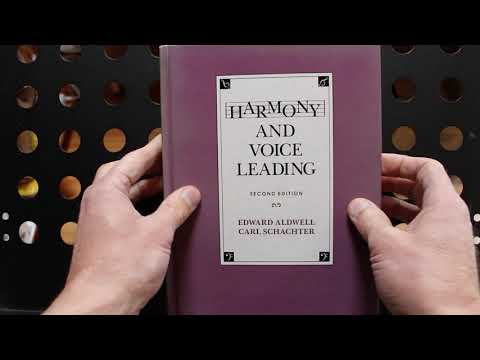
Advanced musicians often need resources that go beyond traditional tonal harmony and explore post-tonal theory, counterpoint, orchestration, and analytical methods. “The Study of Counterpoint” by Johann Joseph Fux is a centuries-old masterpiece that remains relevant for anyone studying strict compositional techniques. “Harmony and Voice Leading” by Edward Aldwell, Carl Schachter, and Allen Cadwallader dives deep into chromatic harmony and provides rigorous exercises that challenge even the most experienced student.
For jazz theory specifically, “The Jazz Theory Book” by Mark Levine is the definitive resource. It covers chord-scale theory, reharmonization, modal playing, and advanced improvisation concepts in a way that is both comprehensive and accessible to working musicians.
Comparison Table: Top Music Theory Books at a Glance

| Book Title | Best For | Difficulty Level | Key Strength |
| Music Theory for Dummies | Complete Beginners | Easy | Approachable language and practical examples |
| Alfred’s Essentials of Music Theory | Young Students & Self-Learners | Easy to Moderate | Built-in ear training and review quizzes |
| Tonal Harmony | Intermediate & College Students | Moderate to Advanced | Comprehensive harmonic analysis |
| The Musician’s Guide to Theory and Analysis | Intermediate Performers | Moderate | Integration of listening, theory, and composition |
| Harmony and Voice Leading | Advanced Students | Advanced | Deep chromatic and post-tonal coverage |
| The Jazz Theory Book | Jazz Musicians & Composers | Intermediate to Advanced | Jazz-specific harmony and improvisation |
How to Choose the Best Music Theory Book for Your Goals
Choosing the right music theory book depends on several factors that go beyond just your skill level. Consider these key elements before making a purchase.
- Your Current Skill Level. Be honest about where you stand. Starting too advanced leads to frustration, while material that is too easy wastes your time.
- Your Musical Goals. Are you learning theory to improve sight-reading, compose songs, pass an exam, or analyze classical works? Different books serve different purposes.
- Learning Style. Some books are heavily text-based with written exercises, while others include audio downloads, online resources, or interactive components.
- Instrument Applicability. Certain books are instrument-agnostic, while others focus on piano-specific or guitar-specific applications. Choose accordingly.
- Curriculum Alignment. If you are studying for a specific exam like ABRSM, Trinity, or AP Music Theory, pick a book that aligns with that syllabus.
What Makes a Music Theory Book Truly Great
A great music theory book does more than list definitions and rules. It contextualizes concepts within real music, provides exercises that reinforce learning, and builds knowledge in a logical, cumulative sequence. Look for books that include listening examples, composition prompts, and review sections that test your retention. The best resources also connect theory to practical musicianship, showing you how chord progressions function in songs, why certain scales evoke specific emotions, and how composers use harmony to create tension and resolution.
Expert Tips for Learning Music Theory Effectively
- Practice daily, even if only for 15 minutes. Consistency beats marathon sessions when it comes to internalizing theoretical concepts.
- Apply theory to music you already love. Analyze chord progressions in your favorite songs to make abstract concepts feel relevant and exciting.
- Use audio alongside reading. Many modern music theory books include companion audio tracks. Listening while reading dramatically improves retention.
- Write things out by hand. Research in music education shows that handwriting notes and exercises activates deeper cognitive processing than typing alone.
- Join a community. Online forums, local music groups, or study partners can help you work through challenging concepts and stay motivated.
- Do not skip ear training. Theory without ear training is like learning grammar without ever hearing a spoken language. Integrate interval recognition and chord identification into your routine.
Frequently Asked Questions
Which music theory book is best for self-taught guitarists?
“Music Theory for Guitarists” by Tom Kolb is an excellent choice for guitarists learning theory on their own. It uses guitar-specific fretboard diagrams and examples to explain scales, chords, and progressions in a way that directly applies to the instrument. The book is well-organized, visually clear, and avoids unnecessary jargon, making it perfect for players who want practical knowledge without a formal classroom setting.
Is it possible to learn music theory from a book without a teacher?
Absolutely. Many of the best music theory books on the market are specifically designed for independent learners. Books like “Alfred’s Essentials of Music Theory” and “Music Theory for Dummies” include built-in quizzes, answer keys, and audio resources that simulate a teacher’s guidance. However, having a mentor or joining an online community can accelerate your progress and help you troubleshoot difficult concepts.
What is the best music theory book for preparing for AP Music Theory exam?
“Tonal Harmony” by Kostka, Payne, and Almén is the most widely recommended textbook for AP Music Theory preparation. It covers all the harmonic, melodic, and formal concepts tested on the exam with rigorous exercises and clear explanations. Pair it with a dedicated AP prep guide for the multiple-choice and listening sections, and you will have a comprehensive study plan.
Can adults use children’s music theory books effectively?
While children’s music theory books like “Alfred’s Essentials” are approachable and well-structured, they sometimes lack the depth that adult learners need. Adults can certainly use them as starting points, but they should plan to transition to more comprehensive texts like “Tonal Harmony” or “The Musician’s Guide” as their understanding deepens. The visual clarity of younger-learner books can actually be an advantage for adult beginners who prefer clean layouts and step-by-step progression.
Are free online resources enough, or do I need a physical music theory book?
Free resources like musictheory.net and YouTube channels provide excellent supplementary material, but a physical or dedicated digital book offers structured progression, comprehensive exercises, and deeper conceptual exploration that scattered online content rarely matches. Think of online tools as practice companions and a well-chosen book as your core curriculum. The combination of both gives you the best results for long-term retention and skill development.
Final Thoughts on Finding the Best Music Theory Book
The best music theory book for you is the one that matches your current level, aligns with your goals, and keeps you engaged through clear explanations and meaningful exercises. There is no single perfect book for every musician, but by understanding your needs and exploring the options outlined in this guide, you can find a resource that serves as a trusted companion on your musical journey. Start with the fundamentals, build consistently, and never underestimate the transformative power of understanding the theory behind the music you love. Pick up one of these books today, and you will hear the difference in every note you play.