


Audio engineering equipment forms the backbone of every professional and amateur recording setup, shaping how sound is captured, processed, and delivered to listeners. Whether you are setting up your first home studio or upgrading a commercial facility, understanding the right gear can mean the difference between mediocre recordings and polished, broadcast-ready productions. This guide covers everything you need to know about studio gear, from microphones and audio interfaces to monitors and digital audio workstations, giving you actionable insights at every skill level.
What Is Audio Engineering Equipment and Why It Matters
Audio engineering equipment refers to all the hardware and software tools used to record, mix, master, and reproduce sound. This includes microphones, preamps, equalizers, compressors, monitors, headphones, interfaces, and the digital platforms where everything comes together. The quality of this equipment directly impacts the fidelity, dynamics, and clarity of any audio project. When sound engineers invest in reliable studio equipment, they gain tighter control over the sonic spectrum, ensuring that every frequency range is accurately represented.

Understanding audio engineering gear is not just about buying expensive products. It is about selecting tools that match your workflow, your room acoustics, and your creative goals. A well-chosen setup minimizes noise, reduces post-production headaches, and lets the engineer focus on the artistic side of sound design. That is why even seasoned professionals continuously evaluate their signal chain and upgrade components that bottleneck their creative process.
Essential Audio Engineering Equipment Categories
Microphones for Recording
Microphones are the entry point of any sound chain, and choosing the right type is critical. Condenser microphones capture detail and transient response with exceptional sensitivity, making them ideal for studio vocals, acoustic instruments, and drum overheads. Dynamic microphones handle high sound pressure levels with ease, which is why engineers reach for them on loud guitar cabinets, kick drums, and live vocal performances. Ribbon microphones deliver a warm, vintage character that adds depth to brass instruments and spoken word.
Popular models that dominate professional studios include the Neumann U87, Shure SM7B, and Sennheiser MKH 416. Each serves a distinct purpose in the recording chain, and smart engineers often own several types to suit different source materials.
Audio Interfaces and Sound Cards
An audio interface converts analog signals into digital data and vice versa, serving as the bridge between your microphones and your computer. When evaluating audio interfaces for sale, look at converter quality, preamp transparency, latency performance, and connectivity options like USB-C or Thunderbolt. Brands like Focusrite, Universal Audio, and RME are widely trusted for delivering clean preamps and robust driver support.
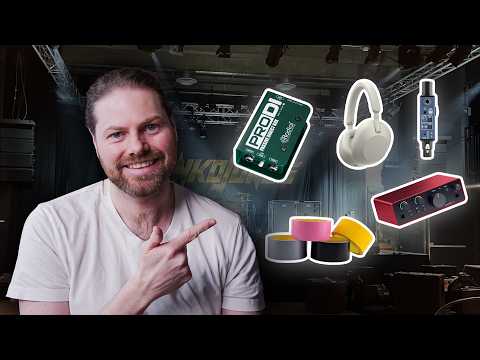
For mobile or field recording engineers, portable interfaces from companies like Zoom and Audient offer compact solutions without sacrificing sound quality. The number of input and output channels you need depends entirely on your recording scenarios — solo voiceover work demands fewer channels than a full drum kit session.
Studio Monitors and Headphones
Accurate monitoring is arguably the most important aspect of any mixing and mastering environment. Nearfield studio monitors like the Genelec 8040, Yamaha HS8, and KRK Rokit series are designed for small to medium rooms, delivering a flat frequency response so engineers can hear their mixes honestly. Midfield and far-field monitors are better suited for larger control rooms where deeper bass reproduction is essential.
On the headphone side, closed-back designs like the Beyerdynamic DT 770 Pro and Sennheiser HD 280 Pro provide excellent isolation for tracking, while open-back models such as the Sennheiser HD 650 are preferred for mixing and critical listening. A professional engineer typically owns multiple pairs to cross-reference their work across different playback systems.
Mixers and Preamps
Mixers give engineers the ability to route, balance, and process multiple audio sources simultaneously. Analog consoles from Yamaha, Allen & Heath, and Soundcraft remain popular for their hands-on tactile control, while digital mixing desks from Yamaha CL series and DiGiCo offer recallable scenes and built-in processing. Preamplifiers amplify weak microphone signals to line level without adding noise, and high-quality external preamps from brands like Grace Design, Millennia, and Warm Audio can dramatically improve the character of a recording.
DAW Software and Processing Tools
A digital audio workstation is where all recorded tracks come together for editing, mixing, and arrangement. Industry-standard platforms like Pro Tools, Logic Pro, Ableton Live, and Cubase each offer unique strengths. Pro Tools dominates commercial studios for its editing precision and industry compatibility, while Logic Pro excels with its built-in virtual instruments and mix engine. Ableton Live is the go-to for electronic producers and live performers.
Beyond the DAW itself, engineers rely on third-party plugins for equalization, compression, reverb, and saturation. Companies like FabFilter, Waves, iZotope, and Plugin Alliance produce tools that rival hardware units in sonic quality while offering far greater flexibility and recall.
How to Choose the Right Equipment for Your Skill Level
Beginner Setup: Getting Started Right
New engineers should prioritize a clean signal path over gear quantity. A solid beginner rig includes a quality large-diaphragm condenser microphone, a reliable audio interface with at least two mic preamps, a pair of entry-level studio monitors, and a capable DAW. The Focusrite Scarlett series and PreSonus AudioBox are excellent starting points. Resist the urge to buy every piece of gear at once — learn your room first, then invest based on what you actually need.
Intermediate Setup: Expanding the Toolkit
At the intermediate level, engineers begin layering external outboard gear into their signal chain. Adding a dedicated compressor, an EQ unit, and a high-quality reverb processor opens up new creative possibilities. A secondary pair of headphones for reference listening, additional microphones for different source types, and a portable recording rig all make the intermediate stage exciting and rewarding.
Advanced Professional Setup: Precision and Flexibility
Professional studios invest in top-tier converters, high-channel-count consoles, acoustic treatment, and redundant systems. Engineers at this level care deeply about clocking accuracy, jitter performance, and analog warmth. Custom patchbays, external summing mixers, and dedicated analog hardware processors give the control and character that modern workflows demand.
Comparison Table: Popular Audio Engineering Equipment
| Equipment Type | Top Brand | Key Strength | Price Range (USD) |
| Condenser Microphone | Neumann | Detailed, transparent capture | $800 – $11,000 |
| Dynamic Microphone | Shure | Durability, high SPL handling | $100 – $400 |
| Audio Interface | RME | Low latency, pristine converters | $300 – $1,500 |
| Studio Monitors | Genelec | Flat response, compact design | $400 – $3,000 |
| Closed-Back Headphones | Beyerdynamic | Isolation, comfort | $150 – $350 |
| Digital Console | Yamaha / DiGiCo | Recall, built-in effects | $2,000 – $50,000+ |
| DAW Software | Pro Tools / Logic | Industry standard / All-in-one | $200 – $700 |
Expert Tips for Building Your Audio Gear Collection
- Treat your room first. Even the most expensive microphones and monitors will sound wrong in an untreated space. Acoustic panels, bass traps, and diffusers cost a fraction of what gear does and deliver immediate improvement.
- Invest in cables and connectors. Poor-quality cables introduce noise and signal loss. Mogami, Canare, and Neutrik are trusted names that protect your signal integrity from microphone to speaker.
- Buy used equipment from reputable dealers. Many professionals upgrade gear regularly, and the secondhand market offers incredible value. Companies like B&H Photo, Sweetwater, and Guitar Center have robust used sections with warranties.
- Learn one piece of gear deeply before buying the next. Mastering the nuances of your preamp, EQ, or compressor will teach you more about sound design than owning ten new units.
- Consider versatility over novelty. A piece of gear that serves multiple functions — such as a mixer with built-in effects — often delivers more value than a single-purpose specialty tool.
FAQ: Common Questions About Audio Engineering Equipment
What is the best audio engineering equipment for beginners on a budget?
Beginners should look at bundles that include a condenser microphone, a simple audio interface like the Focusrite Scarlett Solo, and a pair of affordable monitors such as the Yamaha HS5. Total setups can be assembled for under $500, giving new engineers a clean signal path without breaking the bank.
Do I need expensive studio monitors for professional mixing?
Not necessarily. The most expensive monitors do not guarantee a better mix. What matters more is accuracy, room calibration, and consistent reference listening. Many excellent mixes have been made on budget monitors like the KRK Rokit 5, provided the engineer has trained their ears and treated their room acoustically.
What is the difference between audio interfaces and sound cards for music production?
The terms are often used interchangeably, but audio interfaces are purpose-built for professional recording with higher-quality converters, better preamps, and lower latency drivers compared to standard computer sound cards. Sound cards designed for gaming or general computing lack the specifications needed for studio-quality audio capture and monitoring.
Can I use dynamic microphones for studio vocals, or are condensers better?
Dynamic microphones like the Shure SM7B are widely used for studio vocals, especially in noisy environments or untreated rooms. They reject background sound and handle high SPL gracefully. Condensers capture more detail and air, which is why they are often preferred for quiet, intimate vocal performances in acoustically treated spaces.
How often should I upgrade my audio engineering equipment?
Upgrade when a piece of gear becomes a bottleneck in your workflow, not because newer models exist. Many professionals use the same microphone preamps and consoles for decades. Focus on improving your monitoring accuracy and acoustic environment before chasing gear upgrades, as those changes will have the biggest impact on your productions.
Is analog or digital audio equipment better for modern studios?
Neither is inherently superior — they serve different purposes. Digital equipment offers recallability, precision editing, and portability, while analog gear provides harmonic warmth, tactile workflow, and unique coloration. The best modern studios blend both, using digital platforms for organization and routing while incorporating analog outboard processors for saturation, compression, and EQ character.
Conclusion
Building a well-rounded audio engineering equipment collection is a journey that evolves with your skills and ambitions. Start with the essentials — a clean microphone, a transparent interface, accurate monitors, and a capable DAW — and grow your toolkit strategically over time. Every piece of gear should solve a real problem in your workflow or open a new creative door. By understanding the role each tool plays in the signal chain and investing in quality at every stage, you will build a studio environment that delivers professional results for years to come. The best audio engineering equipment is not the most expensive — it is the gear that helps you translate what you hear in your head into a recording that moves people.