


The classical music era timeline traces one of the most transformative and influential chapters in Western art history, spanning roughly from the early 1730s to the early 1820s. If you have ever wondered when the classical period in music began, what defines its sound, or which composers shaped its trajectory, this comprehensive guide breaks down every major era, movement, and milestone with precision. Whether you are a curious beginner, a music student building your knowledge, or a seasoned listener looking to deepen your understanding, this classical music period timeline will give you a clear, structured, and expert-level overview of everything that happened during this golden age of composition.
The Early Classical Period (1730–1760): Setting the Stage for a Musical Revolution
The early classical period in music emerged as a direct reaction against the ornate complexity of the Baroque era. Composers began stripping away heavy ornamentation in favor of cleaner lines, balanced phrases, and a new emphasis on homophonic texture — where a single melody dominates over accompanying harmonies. This shift marked the birth of the classical music era timeline as a recognizable historical period.
Key Characteristics of the Early Classical Style
- A move toward simpler, more singable melodies
- Gradual reduction of polyphonic complexity inherited from the Baroque
- Emergence of the sonata form as a dominant structural framework
- Growing importance of public concerts and secular music
- Increased use of the orchestra as a standard ensemble
Pioneering Composers of the Early Classical Era
The earliest figures on the classical music timeline include composers who bridged the gap between the Baroque and Classical worlds. C.P.E. Bach, son of Johann Sebastian Bach, played a pivotal role in developing the empfindsamer Stil — a sensitive, expressive style that foreshadowed classical ideals. Johann Stamitz revolutionized orchestral writing in Mannheim, creating dynamic techniques like sudden crescendos and diminuendos that became hallmarks of classical orchestration. Christoph Willibald Gluck also emerged during this window, championing operatic reform that prioritized dramatic truth over vocal display.

For anyone studying the classical music period timeline, this early phase is essential because it laid the structural and aesthetic foundations that later composers would refine and elevate to unprecedented heights.
The Middle Classical Era (1760–1790): The Golden Age of Viennese Composition
The middle period of the classical music era timeline is often considered the heart and soul of the entire movement. Vienna became the epicenter of musical innovation, attracting the most gifted composers of the age. The classical music timeline of this era is defined by the rise of the Viennese school and the maturation of symphonic and chamber music forms.
Haydn: The Father of the Symphony
Joseph Haydn stands as the central figure in the classical music period timeline during these decades. He composed over 100 symphonies, earning his title as the father of the symphony and the father of the string quartet. Haydn’s contributions to sonata form, thematic development, and orchestral structure were nothing short of revolutionary. His work demonstrated that classical music could be both intellectually rigorous and emotionally engaging.
- Haydn refined the four-movement symphony structure that became the standard
- He expanded the string quartet from a simple ensemble into a vehicle for complex musical conversation
- His London symphonies (1791–1795) showcased the full matured classical style
- He mentored Mozart and later influenced the young Beethoven
Mozart: The Prodigious Genius
No classical music era timeline is complete without Wolfgang Amadeus Mozart. Active primarily in the last two decades of the 18th century, Mozart composed across virtually every genre of his time — symphonies, operas, concertos, chamber music, and sacred works. His music combined technical brilliance with an almost supernatural sense of melody and dramatic timing. Operas like Le Nozze di Figaro (1786), Don Giovanni (1787), and Die Zauberflöte (1791) remain cornerstones of the Western classical canon and are central reference points on any credible classical music period timeline.
The Classical Music Era Timeline: Mid-Period Milestones
| Year | Event | Significance |
| 1760s | Rise of public concerts in London and Vienna | Music became accessible beyond the aristocracy |
| 1770s | Mozart begins composing symphonies as a teenager | Demonstrated the prodigious talent driving the era |
| 1780s | Haydn and Mozart’s mutual influence peaks | Defined the mature Viennese classical style |
| 1791 | Mozart dies at age 35; Die Zauberflöte premieres | Marked the end of the middle classical period |
The Late Classical Period (1790–1820): Beethoven and the Bridge to Romanticism
The final stretch of the classical music era timeline is dominated by one towering figure: Ludwig van Beethoven. His career spanned the transition from the classical period into the Romantic era, making him the most significant composer on the classical music timeline of this final phase. Beethoven took the structural innovations of Haydn and Mozart and pushed them to their absolute limits — and then beyond.
How Beethoven Redefined Classical Music
Beethoven’s early works were firmly rooted in the classical tradition, closely modeled on Haydn and Mozart. However, his middle and late periods introduced radical innovations that shattered conventions. He expanded the symphony from roughly 20–30 minutes to over an hour, introduced choral elements into the symphony (most famously in his Ninth), and explored unprecedented emotional depth and structural experimentation.
- Symphony No. 3 (Eroica, 1804) — A turning point in musical history, dramatically longer and more emotionally complex than any symphony before it
- Symphony No. 5 (1808) — Its iconic four-note motif became one of the most recognized passages in all of Western music
- Symphony No. 9 (1824) — Featured the “Ode to Joy” chorus, breaking the boundary between orchestral and vocal music
Beethoven’s late works, including his final string quartets and the Missa Solemnis, anticipated the harmonic language and emotional intensity of the Romantic movement. For this reason, the late classical period serves as the crucial bridge on the classical music era timeline between Enlightenment-era clarity and Romantic-era passion.
Classical Music Era Timeline: A Complete Visual Overview
Below is a consolidated overview of the classical music period timeline, organized by era, approximate dates, defining features, and representative composers. Use this as a quick-reference guide when exploring the classical music era timeline independently.
| Period | Approximate Dates | Defining Features | Key Composers |
| Early Classical | 1730–1760 | Simplification of Baroque complexity; rise of homophony; emergence of sonata form | C.P.E. Bach, J. Stamitz, Gluck |
| Middle Classical | 1760–1790 | Viennese style dominance; symphony and quartet maturity; public concert culture | Haydn, Mozart |
| Late Classical | 1790–1820 | Emotional expansion; structural innovation; bridge to Romanticism | Beethoven (early works) |
| Transition to Romantic | 1820 onward | Greater expressiveness; expanded orchestration; individualistic expression | Beethoven (late works), Schubert, Weber |
Understanding this classical music era timeline in visual form helps contextualize how each phase built upon the last. The early classical period established the rules; the middle period perfected them; and the late period shattered them intentionally to make way for something entirely new.
How to Explore the Classical Music Timeline: Practical Tips and Expert Recommendations
If you are just beginning to explore the classical music period timeline, the sheer volume of music can feel overwhelming. Here are some practical strategies to help you navigate this rich musical landscape with confidence and purpose.
Start with Essential Works
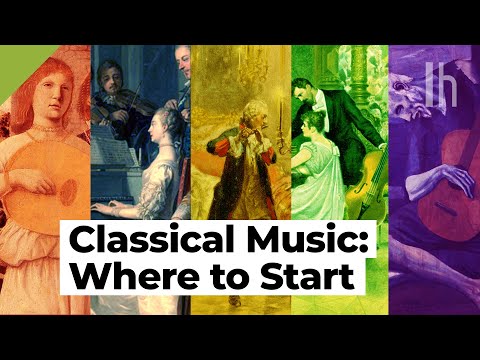
Rather than trying to listen to everything at once, begin with landmark compositions that define the classical music era timeline. Haydn’s London Symphonies, Mozart’s Requiem and Eine kleine Nachtmusik, and Beethoven’s Symphony No. 5 and Ninth are indispensable entry points. These works represent the pinnacle of classical-era composition and offer the most rewarding listening experiences for newcomers and experts alike.
Listen Chronologically
Following the classical music timeline in chronological order allows you to hear the stylistic evolution in real time. Start with early classical works by Stamitz and Gluck, progress through the mature Viennese style of Haydn and Mozart, and finish with Beethoven’s increasingly bold compositions. This approach reveals how composers responded to each other and how the classical music era timeline developed organically over nearly a century.
Read the Scores While You Listen
For intermediate and advanced listeners, following along with a score while listening deepens your understanding of classical-era structure. Sonata form, theme and variations, and rondo form are the architectural blueprints of this period. Seeing how composers organized their musical ideas makes the classical music era timeline come alive in a way that passive listening alone cannot achieve.
Explore Secondary Sources
Books, documentaries, and online courses focused on the classical music timeline provide invaluable context. Understanding the social, political, and philosophical forces that shaped the era — such as the Enlightenment, the French Revolution, and the rise of the middle class — enriches your listening and gives you a more complete picture of why classical-era music sounds the way it does.
Frequently Asked Questions About the Classical Music Era Timeline
What years does the classical music era timeline cover?
The classical music era timeline generally spans from approximately 1730 to 1820, though some scholars extend the boundaries slightly depending on how they define the transition points between the Baroque, Classical, and Romantic periods. The core period is widely recognized as the seventy years between 1730 and 1820.
How is the classical music period timeline different from the Baroque era?
The classical era timeline differs from the Baroque period primarily in its emphasis on clarity, balance, and simplicity. Where Baroque music favored intricate counterpoint, complex ornamentation, and elaborate basso continuo, the classical music era timeline embraced homophonic textures, standardized forms like sonata and symphony, and a more transparent orchestral sound. The shift was gradual, beginning in the early 1700s and fully taking hold by the 1750s.
Who are the most important composers on the classical music timeline?
The three most essential composers on the classical music era timeline are Joseph Haydn, Wolfgang Amadeus Mozart, and Ludwig van Beethoven. Often referred to as the “Viennese Classics” or the “First Viennese School,” these three figures defined the sound, structure, and expressive possibilities of classical-era music. Other important contributors include C.P.E. Bach, Christoph Willibald Gluck, and Luigi Boccherini.
What is the relationship between the classical era timeline and the Romantic era?
The classical music period timeline transitions directly into the Romantic era around 1820, with Beethoven’s late works serving as the primary bridge. While the classical era emphasized formal structure, balance, and restraint, the Romantic era that followed prioritized emotional intensity, individual expression, and expanded harmonic language. The classical music timeline, therefore, is not just a standalone period — it is the essential foundation upon which the entire Romantic movement was built.
Why is the classical music era timeline important for modern listeners?
The classical music era timeline is important for modern listeners because it established the fundamental forms, structures, and conventions that continue to influence music today. Sonata form, the symphony, the string quartet, and the concerto — all refined during the classical period — remain active frameworks in contemporary composition and performance. Moreover, the emotional and intellectual richness of classical-era music offers listeners a deeply rewarding and endlessly explorable experience.
Conclusion
The classical music era timeline represents one of the most dynamic and creatively fertile periods in the history of Western music. From the early simplifications of the 1730s to Beethoven’s groundbreaking late works in the 1810s and 1820s, this nearly ninety-year span transformed how music was composed, performed, and experienced. The contributions of Haydn, Mozart, and Beethoven during the classical music period timeline did not merely shape their own era — they laid the entire foundation for the orchestral and chamber music traditions that persist to this day. By understanding the classical music era timeline in depth, you gain not only a richer appreciation for the music itself but also a deeper connection to the intellectual and cultural currents that made it possible. Whether you are listening for the first time or returning for the hundredth, the classical period continues to offer profound beauty, structural ingenuity, and emotional truth that few other artistic traditions can match.