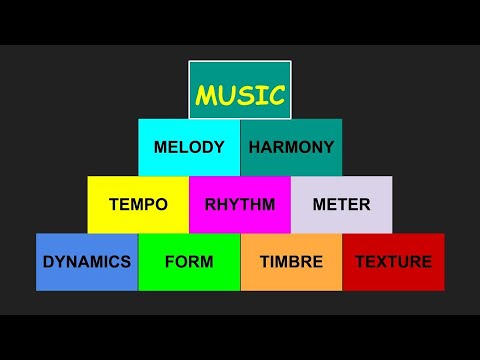
When people search for “define the music,” they are often looking for more than a textbook dictionary explanation. They want a real understanding of what music is, how it works, what makes it tick, and why it resonates so deeply with human experience. Whether you are a beginner musician trying to articulate your creative vision, a producer sorting through genres and subgenres, or a curious listener who wants to understand the building blocks behind every melody you hear — this guide covers it all. Defining music is not just about finding a single sentence to describe an art form. It is about exploring rhythm, melody, harmony, texture, dynamics, form, and timbre in ways that bring clarity to something inherently beautiful and complex. In this comprehensive guide, we will break down every dimension of what defines music, why it matters, and how you can sharpen your own ability to define and categorize music with confidence.
What Does It Mean to Define the Music?
At its most fundamental level, to define the music means to identify the qualities, characteristics, and structural components that distinguish organized sound from random noise. Music is a form of art and cultural activity whose medium is sound and silence, existing in time. But that definition barely scratches the surface. When musicians, producers, critics, and educators talk about defining music, they are discussing the intentional arrangement of pitch, rhythm, dynamics, and tonal color to create something expressive and meaningful.
The process of defining music involves several layers:
- Identifying the core musical elements such as melody, harmony, rhythm, and timbre
- Understanding the structural form of a piece, whether it follows verse-chorus patterns, sonata form, or free improvisation
- Recognizing genre classifications and how they help categorize musical styles
- Appreciating the cultural and emotional context that shapes a musical work
- Analyzing how dynamics, tempo, and texture contribute to a listener’s experience
Defining music is both a technical exercise and an artistic one. It requires knowledge of music theory, but it also demands sensitivity to emotion, culture, and personal interpretation. No single definition can capture everything music means to every person, but the frameworks we explore here will give you a powerful toolkit.
The Core Elements That Define Music
Every piece of music is built on foundational elements. Understanding these components is essential if you want to define music accurately and comprehensively. Each element plays a distinct role, and together they create the rich tapestry of sound that listeners experience.
Melody
Melody is often considered the most recognizable element of music. It is a sequence of notes arranged in a way that creates a memorable and singable line. When you hum a tune from your favorite song, you are recalling its melody. Melody defines the horizontal aspect of music — how pitches move through time — and it is shaped by intervals, contour, rhythm, and phrasing.
Harmony
Harmony refers to the simultaneous combination of different pitches to produce chords and chord progressions. It defines the vertical dimension of music and gives compositions their sense of tension, resolution, and emotional depth. Without harmony, music can feel flat or incomplete, even if the melody is strong.
Rhythm
Rhythm is the pattern of sounds and silences in time. It includes beat, meter, tempo, and syncopation. Rhythm is arguably the most primal element of music — it is the reason people clap, dance, and tap their feet. Defining music without addressing rhythm would be like describing architecture without mentioning the foundation.
Timbre

Timbre, also called tone color, is what makes a piano sound different from a violin even when they play the exact same note. It is shaped by overtones, attack, decay, and the physical properties of the instrument or voice. Timbre is a crucial part of how you define the music you hear, because it gives each instrument and genre its unique sonic identity.
Dynamics
Dynamics refer to the volume and intensity of sound, ranging from pianissimo (very soft) to fortissimo (very loud). Changes in dynamics create emotional arcs within a piece and help define the narrative arc of a musical composition.
Texture
Musical texture describes how many layers of sound are heard simultaneously and how they interact. Common textures include monophonic (single melodic line), homophonic (melody with accompaniment), and polyphonic (multiple independent melodies). Texture is one of the more nuanced elements used to define music at an advanced level.
Form
Form is the overall structure or architecture of a piece of music. Common forms include binary, ternary, sonata, rondo, and the verse-chorus-bridge structure found in popular music. Understanding form helps you define music in terms of its large-scale organization and how sections relate to one another.
How to Define Music Across Different Genres
One of the most practical applications of defining music is genre classification. Genres help listeners, musicians, and industry professionals categorize and communicate about music. However, genre boundaries are fluid, and many modern styles blend elements from multiple traditions.
Here are key factors that help you define music within a specific genre:
- Rhythmic patterns: Funk relies on syncopated grooves, while classical music often emphasizes steady meter
- Harmonic language: Jazz uses extended chords and improvisation, whereas country music tends toward simpler chord progressions
- Instrumentation and timbre: Electronic music relies on synthesizers and digital production, while folk music centers on acoustic instruments
- Lyrical themes and vocal style: Reggae often features laid-back vocal delivery with socially conscious lyrics, while metal emphasizes aggressive vocals and powerful imagery
- Cultural origin and historical context: Genres like blues, flamenco, and K-pop are deeply tied to their geographic and cultural roots
- Production techniques: The way a track is mixed, mastered, and produced can define its genre identity just as much as the notes themselves
Defining Music: A Comparison of Key Elements
The following table provides a side-by-side comparison of the primary elements used to define music, along with their function and impact on the listener.

| Element | Definition | Role in Music | Example |
| Melody | A sequence of pitches forming a tune | Provides the main theme and singable line | The chorus of a pop song you can hum |
| Harmony | Simultaneous pitches creating chords | Adds depth, emotion, and resolution | Chord progression in a jazz standard |
| Rhythm | Pattern of beats and silences over time | Creates movement, groove, and pulse | The driving beat in a hip-hop track |
| Timbre | The unique tone color of an instrument or voice | Distinguishes instruments and genres | The warm sound of a cello vs. an electric guitar |
| Dynamics | Variation in volume and intensity | Shapes emotional arc and expression | A sudden crescendo in a film score |
| Texture | The layering of musical parts | Determines sonic density and complexity | A solo vocal vs. a full choir arrangement |
| Form | The overall structure of a composition | Organizes sections into a coherent whole | Verse-chorus-bridge in a rock song |
Why Defining Music Matters
Defining music is not an academic exercise reserved for musicologists. It has real-world value for musicians, producers, educators, and listeners alike. When you can clearly define what music means to you and how it is constructed, you gain several advantages:
- Better communication: Musicians who can articulate their sound find it easier to collaborate, pitch to labels, and connect with audiences
- Deeper listening: Understanding the elements that define music transforms passive listening into an active, enriching experience
- Creative growth: When you know how rhythm, harmony, and timbre work together, you can make more intentional creative decisions
- Cultural awareness: Defining music across genres and traditions builds empathy and appreciation for diverse musical heritages
- Educational clarity: Teachers who can define music clearly help students grasp concepts faster and develop stronger technical skills
For anyone involved in the music industry — from bedroom producers to session musicians to streaming playlist curators — the ability to define music accurately is a superpower. It sharpens your taste, improves your craft, and helps you navigate an increasingly crowded and competitive creative landscape.
Expert Tips for Defining Music Like a Professional
If you want to sharpen your ability to define music with precision and confidence, consider these actionable tips from experienced musicians and educators:
- Train your ear actively. Listen to music with intention. Identify the melody, follow the chord progression, notice the rhythmic patterns, and pay attention to how the texture changes throughout a piece.
- Learn music theory fundamentals. You do not need a degree, but understanding scales, intervals, chords, and progressions gives you the vocabulary to define what you hear.
- Study across genres. Exposure to diverse musical traditions broadens your definition of what music can be and helps you recognize elements that might otherwise go unnoticed.
- Use descriptive language. Practice describing music using terms like “lush,” “percussive,” “droning,” “syncopated,” or “atmospheric.” The more precisely you can articulate sound, the better you can define it.
- Experiment with creating music. There is no substitute for hands-on experience. When you compose, arrange, or produce, you internalize the elements that define music at a visceral level.
- Read and analyze liner notes, reviews, and academic texts. Professional music criticism and scholarly analysis model how experts define and contextualize music in meaningful ways.
These habits compound over time. Within weeks of consistent practice, you will find that defining music becomes second nature rather than a deliberate analytical task.
Conclusion
Defining music is a multidimensional endeavor that blends technical knowledge with emotional intuition. From the fundamental elements of melody, harmony, rhythm, timbre, dynamics, texture, and form to the broader frameworks of genre, culture, and personal expression, there is always more to explore. Whether you are just starting your musical journey or you are a seasoned professional looking to refine your vocabulary, the insights in this guide provide a strong foundation. The beauty of music lies in its ability to transcend simple definitions, but having the tools to define it clearly empowers you to appreciate, create, and communicate in ways that truly matter.
Frequently Asked Questions
What does it mean to define the music in a song?
To define the music in a song means to identify its core elements — melody, harmony, rhythm, timbre, dynamics, texture, and form — and understand how they work together to create the song’s unique identity and emotional impact.
How do you define different types of music or genres?
You define different types of music by examining rhythmic patterns, harmonic language, instrumentation, lyrical themes, cultural origins, and production techniques. These factors collectively determine a genre’s distinct sound and character.
What are the core elements that define music?
The core elements that define music include melody, harmony, rhythm, timbre, dynamics, texture, and form. Together, these components create the structure and expressive quality of any musical work.
Why is defining music important for musicians and producers?
Defining music helps musicians and producers communicate more effectively, make intentional creative choices, collaborate with clarity, and develop a recognizable artistic identity that resonates with their target audience.
Can music be defined scientifically?
Music can be analyzed scientifically through acoustics, psychoacoustics, and neuroscience. These fields examine how sound waves, frequency, rhythm, and harmony affect the brain and body, providing an objective framework alongside the subjective experience of music.
How do cultural factors help define music?
Cultural factors shape music by influencing the instruments used, rhythmic patterns, harmonic traditions, lyrical themes, performance practices, and the social contexts in which music is created and consumed. Every culture contributes unique elements that help define its musical identity.