



Blues music history is one of the most compelling and culturally rich narratives in American art. Born from the pain, resilience, and creativity of African American communities in the Deep South, the blues gave rise to virtually every major popular music genre we know today — rock and roll, jazz, rhythm and blues, soul, and even modern hip-hop. Understanding the roots and evolution of blues music isn’t just an exercise in music appreciation; it’s a window into the social, political, and emotional landscape of America itself. Whether you’re a casual listener or a serious student of music, tracing the journey of blues from its humble origins in the Mississippi Delta to its worldwide influence today reveals an extraordinary story of artistic survival and transformation.
The Origins of Blues Music: Where It All Began
The story of blues begins in the late 19th century, rooted in the field hollers, work songs, spirituals, and ring shouts of enslaved African Americans. These musical traditions carried deep emotional weight, using call-and-response patterns, bent notes, and rhythmic improvisation to express hardship, longing, and hope. After emancipation, the Reconstruction era and the Jim Crow laws that followed created conditions of continued oppression, and music became both a coping mechanism and a form of cultural resistance. The blues as a recognizable musical form crystallized in the Mississippi Delta region during the 1890s and early 1900s, where impoverished Black sharecroppers channeled their suffering into raw, unfiltered song.

What makes the early blues so distinctive is its structure — the twelve-bar blues progression, the use of the flattened “blue” third and seventh notes, and the lyrical tradition of expressing personal hardship through metaphor and storytelling. These weren’t just songs; they were survival narratives set to music.
Key Elements That Defined Early Blues
- The twelve-bar blues chord progression as a structural foundation
- Blue notes — microtonal pitch bends that added emotional depth
- Call-and-response patterns inherited from African musical traditions
- Lyrical themes centered on hardship, love, betrayal, travel, and perseverance
- Acoustic instrumentation, primarily the guitar, harmonica, and voice
Evolution of Blues Music Through the Decades
The blues didn’t stay frozen in the Delta. As African Americans migrated north during the Great Migration in search of better economic opportunities, blues music traveled with them. This movement fundamentally changed the sound and reach of the genre.
The Delta Blues Era (1890s–1920s)
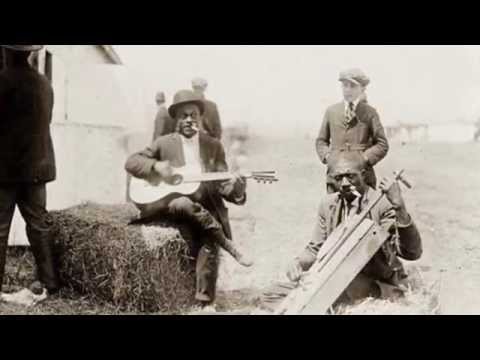
The Delta blues is the foundational sound that started it all. Charley Patton, widely considered one of the founding fathers of the Delta blues, performed with a raw, percussive guitar style that influenced every blues musician who followed. Son House, Skip James, and Robert Johnson carried this tradition forward, with Johnson’s legendary recordings — though sparse — cementing his mythic status as a blues icon. Johnson’s alleged deal with the devil at the crossroads became one of the most enduring myths in American music history, symbolizing the almost supernatural quality of his talent.
Classic Blues and the Recording Era (1920s–1930s)
The advent of commercial recording in the 1920s brought the blues to a national audience. Mamie Smith’s “Crazy Blues” in 1920 is often cited as the first commercially successful blues recording, opening the door for classic blues divas like Bessie Smith, Ma Rainey, and Ida Cox. These artists brought a polished, vaudeville-influenced style that contrasted sharply with the raw Delta sound but proved that blues could sell records and command stages.
Chicago Blues and the Electric Revolution (1940s–1960s)
When Southern migrants arrived in cities like Chicago, Detroit, and Memphis, they brought the blues with them — and the city demanded a louder sound. The electrification of the blues, driven by artists like Muddy Waters, Howlin’ Wolf, and Willie Dixon, transformed the genre. Amplified guitars, electric bass, drums, and harmonica through microphones created a powerful, driving sound that filled urban clubs and juke joints. Chess Records in Chicago became the epicenter of this movement, producing some of the most influential recordings in music history.
Texas Blues and West Coast Styles
Parallel to the Chicago scene, Texas developed its own blues identity — smoother, jazzier, and more technically sophisticated. T-Bone Walker pioneered the electric Texas blues in the 1930s and 1940s, while later artists like Lightnin’ Hopkins and Blind Lemon Jefferson brought their own regional flavors. The West Coast blues, popularized by artists like Charles Brown, offered a laid-back, piano-driven alternative to the electric Chicago boom.
Legendary Blues Musicians Who Shaped the Genre
No discussion of blues history is complete without acknowledging the artists who defined and expanded the genre across generations. These musicians didn’t just play notes — they told the story of a people through their instruments.
- Robert Johnson — The mysterious Delta blues genius whose recordings in 1936 and 1937 remain some of the most influential in all of popular music.
- B.B. King — The “King of the Blues,” whose vibrato-heavy guitar style and lucid, singing tone became the gold standard for electric blues guitar.
- Muddy Waters — The architect of modern Chicago blues, whose electrified sound directly inspired the British Invasion and the birth of rock and roll.
- Bessie Smith — The “Empress of the Blues,” whose powerful voice and commanding stage presence made her the highest-paid Black entertainer of the 1920s.
- Lead Belly — A twelve-string guitar virtuoso whose folk-blues fusion bridged the gap between rural tradition and urban popular music.
- Etta James — A genre-defying vocalist whose deep, soulful voice brought blues intensity into R&B and rock territory.
Blues Subgenres and Regional Styles Compared
One of the most fascinating aspects of blues music history is how the genre fractured into distinct regional and stylistic subgenres. Each variation carried the emotional DNA of the blues while adapting to local cultures, instruments, and musical environments.
| Subgenre | Origin | Key Characteristics | Notable Artists |
| Delta Blues | Mississippi Delta | Acoustic guitar, slide technique, raw vocals, sparse arrangements | Robert Johnson, Charley Patton, Son House |
| Chicago Blues | Chicago, IL | Electric instruments, full band sound, amplified harmonica | Muddy Waters, Howlin’ Wolf, Buddy Guy |
| Texas Blues | Texas | Jazzy swing, clean electric tone, guitar solos | T-Bone Walker, Lightnin’ Hopkins, Freddie King |
| Piedmont Blues | Southeast US | Fingerpicking, ragtime-influenced patterns, lyrical storytelling | Blind Willie McTell, Elizabeth Cotten |
| West Coast Blues | California | Piano-driven, smooth vocal style, jazz influence | Charles Brown, Lowell Fulson |
| Memphis Blues | Memphis, TN | Band-oriented, horn sections, urban storytelling | B.B. King, Rufus Thomas |
Each subgenre tells a different chapter of the blues story, reflecting the geography, economics, and social conditions of the communities that created them. The comparison above highlights how the same emotional core — expression of pain, joy, defiance, and resilience — could manifest in radically different musical forms depending on location and instrumentation.
The Influence of Blues on Modern Music
The ripple effect of blues music on popular culture is virtually immeasurable. In the 1950s and 1960s, British rock bands like The Rolling Stones, Led Zeppelin, and Cream explicitly drew from blues masters, covering their songs and adapting their techniques. Mick Jagger and Keith Richards famously met over a shared love of Muddy Waters records. The blues scale, the twelve-bar structure, and the emphasis on emotional expression became foundational building blocks of rock and roll, rhythm and blues, soul music, and eventually funk and hip-hop.
Even in contemporary music, the blues remains a living, breathing influence. Artists from Gary Clark Jr. to Fantastic Negrito carry the tradition forward, blending blues traditions with modern production, rock energy, and social commentary. The blues didn’t just survive the 20th century — it evolved and continues to shape the sound of American music in the 21st century.
Expert Tips for Exploring Blues Music History
If you’re new to the blues or looking to deepen your understanding, here are some practical recommendations from someone who has spent years studying and listening:
- Start with the foundational recordings — Robert Johnson’s “King of the Delta Blues Singers,” Muddy Waters’ “Electric Mud,” and Bessie Smith’s “Empress of the Blues” compilation
- Listen actively rather than passively; pay attention to lyrical themes, guitar techniques, and rhythmic patterns
- Explore regional differences to understand how geography shaped sound
- Visit blues heritage sites like the Mississippi Blues Trail markers, the B.B. King Museum in Indianola, Mississippi, and the Beale Street district in Memphis
- Read biographies and oral histories to understand the human stories behind the music
- Attend live blues shows and festivals to experience the communal, improvisational spirit of the genre
Conclusion: Why Blues Music History Matters Today
The history of blues music is ultimately a history of human resilience. From the cotton fields of the Mississippi Delta to the electrified clubs of Chicago, from the spirituals of enslaved communities to the global festival stages of today, the blues has never stopped speaking truth through sound. It gave the world its most popular musical structures, its most enduring emotional vocabulary, and its most authentic voice of resistance and hope. Whether you listen for the guitar licks, the storytelling, or the sheer emotional power, the blues rewards every listener who takes the time to truly hear it. The story of the blues isn’t just a music history — it’s an American story, and it’s still being written.
Frequently Asked Questions
What is the origin of blues music?
Blues music originated in the African American communities of the Mississippi Delta in the late 19th century, emerging from field hollers, work songs, spirituals, and folk traditions brought over from West Africa during the era of slavery. The genre crystallized as a distinct musical form in the 1890s, combining African musical structures with the lived experiences of freed Black Americans navigating Reconstruction and Jim Crow.
Who is considered the father of the blues?
While there’s no single “father” of the blues, W.C. Handy is often called the “Father of the Blues” for his role in popularizing and publishing blues compositions in the early 1900s. His 1912 publication of “Memphis Blues” brought the genre into mainstream awareness. However, Charley Patton and Robert Johnson are more commonly regarded as foundational figures of the Delta blues tradition itself.
How did blues music influence rock and roll?
Blues music influenced rock and roll directly through its twelve-bar structure, blues scale, guitar techniques like bending and slide playing, and its emphasis on emotional, personal lyricism. British Invasion bands like The Rolling Stones, The Beatles, and Led Zeppelin explicitly covered blues songs and adapted blues arrangements into rock formats, making the genre’s DNA inseparable from modern popular music.
What are the main differences between Delta blues and Chicago blues?
Delta blues is acoustic, sparse, and rooted in rural Southern traditions, featuring solo performers with guitar and voice. Chicago blues, by contrast, is fully electrified with amplified guitars, bass, drums, and harmonicas, reflecting the urban migration of Black Southerners to industrial Northern cities. The emotional tone also shifts — Delta blues feels more isolated and raw, while Chicago blues is more assertive, band-driven, and rhythmically energetic.
Is blues music still relevant today?
Absolutely. Blues music remains deeply relevant through contemporary artists who blend traditional blues elements with modern genres, through the genre’s continued influence on R&B, hip-hop, rock, and pop music, and through a dedicated global community of festivals, museums, and educators preserving the tradition. The emotional authenticity and musical vocabulary of the blues continue to resonate with new generations of listeners and musicians worldwide.