


When it comes to mastering the language of music, having the right resources can make all the difference between stagnation and genuine progress. For decades, musicians of all ages have turned to a specific cornerstone text to decode the mechanics of composition and performance. Alfred’s Essentials of Music Theory has established itself as a foundational pillar in music education, bridging the gap between abstract musical concepts and practical, applicable knowledge. Whether you are a curious beginner picking up an instrument for the first time or an intermediate player looking to solidify your theoretical foundation, this series promises a structured, logical approach. But what exactly makes this particular curriculum so enduringly popular? In this deep dive, we will explore the architecture of the Alfred series, break down its core components, and provide actionable strategies to maximize your learning experience.
What Exactly Is Alfred’s Essentials of Music Theory?
Alfred’s Essentials of Music Theory is an all-in-one educational series designed to teach the fundamental building blocks of Western music. Developed by renowned music educators Andrew Surmani, Karen Farnum Surmani, and Michael Miller, the curriculum is organized into three progressive books, each catering to a specific stage of musical development. Unlike dense, textbook-style references that can overwhelm newcomers, this series employs a user-friendly format that combines concise lessons, immediate practice exercises, and aural training. The primary goal is to ensure that students do not just memorize musical terms, but deeply understand how they function in real musical contexts. It is widely used in private studios, classrooms, and community music schools across the country.
Inside the Complete Set
To get the most out of the series, it is important to understand the ecosystem of materials available. The core curriculum consists of the student books, but the complete learning experience often incorporates supplementary resources:
- The Student Book: Contains the lessons, exercises, and unit reviews.
- Ear Training CDs (or Software): Provides audio examples to test and develop aural skills.
- The Teacher’s Answer Key: Essential for self-study, allowing students to check their work independently.
- Software and Online Components: Newer editions include digital flashcards and automated grading.
Why This Book Stands Out in Music Education (Beginner to Advanced)
A standout aspect of this series is its scalability. It is not merely a children’s primer; it is a versatile tool scaling from absolute novice to intermediate concepts. Let us break down how it addresses different skill levels.
The Beginner Foundation (Book 1)
Book 1 begins with little to no prior knowledge, starting from the very beginning of musical notation, explaining the grand staff, note names, and basics of time signatures. Students will learn whole notes, half notes, quarter notes, and eighth notes, alongside fundamental rhythms that drive all Western music. It introduces simple intervals and major scales, laying the groundwork for understanding key signatures. For self-taught musicians, this section is invaluable as it avoids assuming prior knowledge.
Intermediate Concepts and Beyond (Book 2)
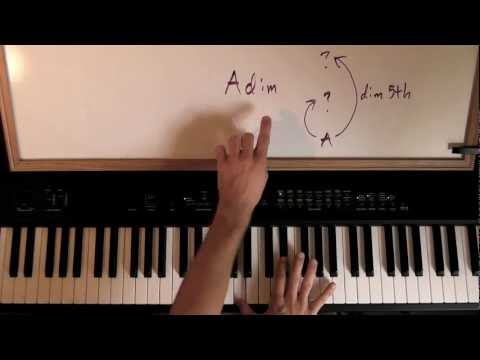
Once the basics are solid, Book 2 propels students into intermediate territory, shifting focus to complex harmonic structures and scale systems. Learners encounter minor scales, the circle of fifths, and diatonic chords. It delves into how chords are constructed and function within a key. Cadences—essential harmonic resting points that define phrase endings—are introduced clearly. This level is perfect for high school or adult learners wanting to understand why certain chord progressions feel satisfying while others feel unresolved.
Advanced Applications (Book 3)
Book 3 pushes into advanced concepts, preparing students for college-level music theory or serious compositional work. Topics include chromatic scales, modes, and an introduction to orchestration and musical form. Students explore 18th, 19th, and 20th-century music, analyzing how composers used theory to create signature sounds. While Book 3 is the most challenging level, it still maintains the accessible, bite-sized lesson format that makes the material digestible. It is the perfect bridge for someone transitioning from the Essentials series to rigorous academic texts.
A Detailed Comparison of the Series Components
Understanding what you are buying is critical when investing in a curriculum. The Alfred series offers different configurations depending on your learning style. The table below breaks down the primary components.
| Component | Primary Focus | Best For |
| Student Book | Written lessons and exercises | Visual learners and note-takers |
| Ear Training CDs | Aural recognition and dictation | Auditory learners and performers |
| Teacher’s Answer Key | Self-assessment and grading | Self-taught musicians |
| Software and Flashcards | Interactive review and memorization | Tech-savvy students and visual learners |
Practical Recommendations and Expert Tips for Success
Simply purchasing the book is not enough; how you use it determines your success. Drawing from pedagogical experience, here are expert tips to maximize your value out of Alfred’s Essentials of Music Theory.
- Do Not Skip Ear Training: Reading notes is only half the battle. Ear training forces you to connect theory to sound, which is the ultimate goal.
- Use a Real Instrument: While the book is written for general understanding, playing scales and chords on a piano or guitar cements concepts in muscle memory.
- Pace Yourself: The series’ modular design is its beauty. Do not rush through a unit just to finish; mastery requires repetition. Spend extra time on reviews before moving forward.
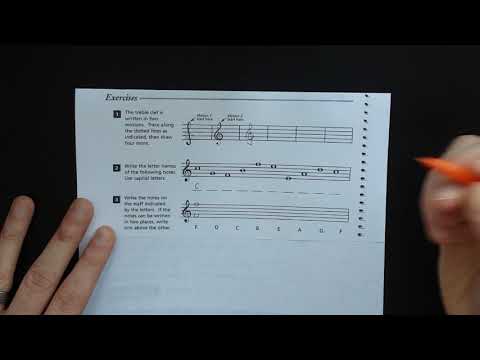
- Write Out the Exercises: Physically writing note names, scales, and chord tones activates different cognitive pathways than simply reading or clicking a mouse.
- Apply Theory to Your Favorite Songs: If you are learning about diatonic chords, analyze the chord progression of a pop song you love. This contextual application makes abstract rules relevant.
Frequently Asked Questions
Prospective students often have questions before committing to a study program. Here are common queries answered to help you decide if this is the right path.
Who is Alfred’s Essentials of Music Theory for?
This series is designed for a broad audience. It is widely used in middle school and high school programs, but it is equally effective for adult self-learners. It is ideal for anyone wanting to understand how music is constructed, regardless of their instrument or skill level. The language is accessible, and progression assumes no prior knowledge in the beginner levels.
How does Alfred’s Essentials of Music Theory compare to other music theory books?
Compared to dense academic texts like Tonal Harmony by Kostka and Payne, Alfred’s Essentials is significantly more approachable and less intimidating. It focuses on practical comprehension rather than dense academic analysis. While it might not satisfy strict university music major requirements on its own, it excels for intermediate learners, casual musicians, and homeschool environments where a step-by-step, workbook-style approach is preferred.
Can you teach yourself Alfred’s Essentials of Music Theory?
Absolutely. One of the greatest strengths of the series is its self-contained nature. The inclusion of answer keys in the Teacher’s Activity Kit and the structured, bite-sized lessons make it highly conducive to independent study. As long as you are disciplined enough to complete the exercises and actively listen to the ear training tracks, self-teaching is entirely feasible and effective.
Is Alfred’s Essentials of Music Theory good for adults?
Yes, it is an excellent resource for adult learners. Many adults feel intimidated by music theory because of outdated, juvenile teaching materials. Alfred’s Essentials strips away the condescension and presents the information in a clean, mature, and logical format. The pacing is respectful of the adult learner’s time and cognitive capacity, making the journey from novice to proficient highly achievable.
How long does it take to complete Alfred’s Essentials of Music Theory?
Duration depends entirely on your schedule and commitment level. In a classroom setting, all three books can be completed in two to three years. For a self-taught adult practicing a few times a week, it could take four to six years to absorb the material. Consistency is more important than speed.
Conclusion
Alfred’s Essentials of Music Theory remains a gold standard in music education for very good reason. It successfully demystifies the complexities of musical composition and performance, offering a clear, logical pathway from novice to intermediate proficiency. By combining written exercises, aural training, and practical application, the series ensures students do not just memorize theoretical facts, but internalize the language of music. Whether you are a parent seeking a homeschool curriculum, a high school band director, or an adult picking up an instrument for the first time, this series provides the tools you need. Embrace the journey, practice consistently, and watch as the music around you transforms from mere sound into a deeply understood, expressive art form.