For many aspiring musicians, the intricacies of music theory can feel like deciphering an ancient language. Fortunately, the digital age has democratized access to high-quality education, and Coursera music theory courses stand at the forefront of this revolution. Whether you are a complete novice picking up an instrument for the first time or a seasoned producer looking to refine your harmonic language, Coursera offers a structured, university-backed pathway to musical mastery. In this comprehensive guide, we will delve deep into the best Coursera music theory classes available, exploring how these programs bridge the gap between academic rigor and practical application.
Why Coursera is a Game-Changer for Online Music Theory Education
When searching for learn music theory online, the sheer volume of resources can be overwhelming. Free YouTube tutorials often lack the cohesive structure required for genuine progression. This is where Coursera music theory courses excel. By partnering with world-renowned institutions like Berklee College of Music, Yale University, and the University of Edinburgh, Coursera delivers a curriculum that rivals traditional conservatory education. The structured curriculum prevents the “YouTube rabbit hole” phenomenon where students learn disjointed information without a cohesive framework.

The flexibility of Coursera allows students to integrate music theory education into their busy lives. Unlike rigid university schedules, these courses offer self-paced learning modules, meaning you can study music fundamentals during your lunch break or late at night. Furthermore, Coursera provides tangible credentials; earning a music theory certification Coursera offers can significantly enhance your professional profile on platforms like LinkedIn, signaling to employers and collaborators that you possess a verified understanding of harmonic principles. The integration of video lectures, reading materials, and peer-reviewed assignments ensures a multi-sensory learning experience that solidifies complex concepts and fosters genuine retention.
Understanding where you fit on the educational spectrum is crucial for selecting the right online music theory education. Coursera categorizes its offerings to accommodate diverse skill levels, ensuring that every learner finds a curriculum that matches their current abilities and aspirations. Below, we break down the progression from foundational basics to expert-level composition, highlighting what you can expect at each stage of your Coursera music theory classes journey.
Beginner Courses: Building the Musical Foundation
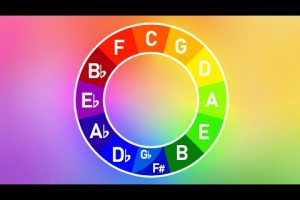
If you are starting from zero, the best Coursera music theory classes focus on absolute fundamentals. These courses demystify the language of music, teaching you how to read sheet music, understand time signatures, and navigate the major and minor scales. Courses like “Introduction to Music Theory” from Yale introduce the concepts of pitch, rhythm, and meter using a conversational, approachable style that prevents the intimidation often associated with academic study. You will learn to identify intervals by ear, understand the circle of fifths, and grasp the basics of triad construction.
During this stage, you will engage heavily with ear training, which is the cornerstone of music theory education. Being able to identify intervals, chord qualities, and rhythmic patterns by ear translates theoretical knowledge into practical, audible reality. The beginner tracks also introduce basic sight-singing, allowing students to audiate—meaning to hear and understand music internally—before playing a single note on their instrument. This foundational approach ensures that when you advance to more complex topics, you have the aural skills necessary to truly comprehend the math behind the music.
Intermediate Courses: Deepening Harmonic Understanding
Once you grasp the basics, intermediate Coursera music theory courses shift the focus toward harmony and voice leading. Here, you will explore diatonic harmony, learn how to build seventh chords, and understand the mechanics of chord progressions that drive modern music. The curriculum often incorporates real-world songwriting examples, making the connection between theoretical rules and actual musical output seamless. You will study dominant seventh chords, secondary dominants, and modal interchange, learning how to add color and tension to a composition.
At this stage, students often dive into the study of chromatic harmony, exploring how borrowed chords and deceptive cadences create emotional movement. Berklee’s curriculum excels at teaching these concepts through a contemporary lens, heavily incorporating pop, rock, and jazz standards. By analyzing famous songs, you will see firsthand how theoretical concepts function in practice, bridging the gap between abstract rules and the music you love to listen to and create.

Advanced Courses: Mastering Composition and Analysis
For the serious composer or musicologist, advanced Coursera music theory courses tackle post-tonal theory, serialism, and advanced counterpoint. These classes are not for the faint of heart; they require a deep dive into the theoretical frameworks that underpin 20th and 21st-century music. You will analyze complex scores, deconstruct atonal pieces, and develop the analytical skills necessary to understand and create highly sophisticated musical works. Advanced courses also explore Schenkerian analysis, a method of graphically representing the hierarchical relationships in tonal music.
Additionally, students examine form and analysis in large-scale musical structures, such as sonata-allegro form and rondo. This level of study prepares you for graduate-level musicology or a career in film scoring and advanced composition, where a deep understanding of structural and harmonic tension is paramount.
Top Institutions Offering Coursera Music Theory Courses
The credibility of Coursera music theory courses stems directly from their institutional partners. Each university brings a unique pedagogical approach, catering to different musical genres and theoretical frameworks. Here is a comparison of the top offerings to help you choose the right Coursera music theory classes for your specific goals.
| Institution | Course Title | Focus Area | Best For |
| Yale University | Introduction to Music Theory | Fundamentals, Sight-Singing | Absolute Beginners |
| Berklee College of Music | Harmony and Ear Training | Jazz Harmony, Modern Pop | Songwriters & Producers |
| University of Edinburgh | Fundamentals of Music Theory | Western Classical Notation | Classical Musicians |
| University of Colorado Boulder | Music and Technology | Algorithmic Composition | Tech-Savvy Creators |
This comparative overview highlights the diversity of Coursera music theory classes. Whether you are a classical purist, a jazz improviser, or an electronic music producer, there is a specialized pathway waiting for you. Selecting the right institution ensures that your music theory education aligns with your specific artistic ambitions and professional goals.
Practical Recommendations and Expert Tips for Success
Embarking on a journey through Coursera music theory courses requires more than just enrollment; it demands a strategic approach to ensure retention and practical application. Based on the experiences of successful music theory students, here are expert tips to maximize your learning and truly internalize the material.
- Commit to Daily Practice: Music theory is a skill, not merely a body of knowledge. Just as you would practice scales on your instrument, dedicate daily time to rhythmic dictation and interval recognition. Consistency is more important than marathon study sessions.
- Apply Theory to Your Instrument: Do not study music fundamentals in a vacuum. If you play piano, guitar, or even a digital audio workstation (DAW), immediately apply the scales and chords you learn in your Coursera music theory classes. Physical application cements theoretical understanding.
- Join the Community: Coursera discussion forums are invaluable. Engaging with peers allows you to share insights, troubleshoot harmonic progressions, and gain diverse perspectives on the material that you might not find in a textbook.
- Utilize the Audit Option: If you are solely interested in learning and not pursuing a music theory certification Coursera offers, consider auditing the course to access all materials for free. You still get the full curriculum without the financial commitment.
Additionally, do not underestimate the power of supplemental tools. Using a DAW to visualize MIDI note placements alongside your coursework accelerates the learning curve immensely. The combination of visual, auditory, and kinesthetic learning creates a robust understanding of music theory education that standalone reading cannot achieve.
Conclusion: Elevate Your Musicality Today
The opportunity to access elite music theory education has never been more accessible than it is today. Coursera music theory courses provide a structured, flexible, and highly respected pathway for musicians of all levels. From the foundational principles of notation and rhythm to the advanced complexities of post-tonal analysis, the platform offers a comprehensive curriculum tailored to modern creators. By selecting the right courses from esteemed institutions and committing to consistent practice, you can transform your theoretical knowledge into a powerful tool for musical expression. Investing in your musical education through Coursera is ultimately an investment in your future as a more thoughtful, versatile, and confident musician. Start your journey today, and unlock the full potential of your musical creativity.
Frequently Asked Questions About Coursera Music Theory Courses
1. Are Coursera music theory courses worth the investment? Absolutely. Coursera music theory courses are developed and taught by professors from globally recognized institutions like Yale and Berklee. The curriculum is academically rigorous yet practically applicable, offering a music theory certification Coursera issues upon completion that holds weight in the professional music industry.
2. How long does it take to complete a Coursera music theory class? The duration varies depending on the course depth and your weekly commitment. Most beginner Coursera music theory courses span four to six weeks if you dedicate a few hours per week. Intermediate and advanced classes may extend to eight weeks or more, especially if you choose the guided pace over the self-paced option.
3. Can I learn music theory online without an instrument? Yes, you can begin learn music theory online without an instrument. Coursera courses heavily utilize solfège, ear training, and software-based notation exercises. However, having access to an instrument or a DAW significantly enhances the learning experience by allowing you to immediately test theoretical concepts.
4. What is the best Coursera music theory course for a complete beginner? The “Fundamentals of Music Theory” offered by the University of Edinburgh is widely regarded as the best Coursera music theory course for beginners. It systematically introduces the Western musical notation system, scales, intervals, and basic harmony in a highly accessible, step-by-step format.
5. Do Coursera music theory courses cover jazz or contemporary genres? Yes. While many courses focus on Western classical traditions, Berklee College of Music offers Coursera music theory courses specifically tailored to contemporary, jazz, and popular music. These classes explore modal interchange, jazz chord voicings, and modern harmonic techniques essential for today’s songwriters and producers.
6. Will I receive a certificate that employers recognize? Earning a music theory certification Coursera provides is an excellent way to validate your skills and demonstrate your commitment to professional growth. The certificates feature the name of the partnering institution, making them highly recognizable to music schools, production companies, and educational institutions looking for qualified instructors or composers. These credentials hold significant weight in the modern music industry.