Choosing the right electronic wind instrument can feel overwhelming whether you are a seasoned saxophonist transitioning into the digital realm or a curious beginner exploring wind synthesizers for the first time. The market has exploded with options, from compact EWI USB models perfect for bedroom producers to professional-grade controllers that rival traditional woodwinds in responsiveness and tone. In this comprehensive guide, we break down the best electronic wind instrument reviews available today, compare top contenders head-to-head, and provide expert recommendations tailored to every skill level. If you have been searching for the ideal wind controller review or trying to decide between brands like Roland, Yamaha, and Akai, you are in the right place.
What Makes an Electronic Wind Instrument Stand Out?
Before diving into specific product reviews, it helps to understand what separates a great wind controller from a mediocre one. Unlike standard MIDI keyboards, electronic wind instruments rely on breath control, finger positioning, and sometimes even bite pressure to shape sound. The EWI review landscape is shaped by several critical factors that matter to players at every stage.
Breath Response and Sensor Quality
The breath sensor is the heart of any electronic wind instrument. Premium models use advanced piezo or infrared sensors that detect subtle changes in airflow, giving you expressive dynamics that feel natural. Cheaper alternatives often suffer from delayed response or inconsistent sensitivity, which frustrates players trying to develop their musicality. When reading electronic wind instrument reviews, pay close attention to how reviewers describe breath latency and overall playability.
Fingering Systems and Ergonomics
Most wind controllers use either a recorder-style fingering system or a saxophone-inspired layout. Some models, like the Roland Aerophone series, even offer customizable key mappings. Ergonomics matter enormously during long practice sessions or live performances. Weight distribution, hand curvature, and the placement of breath sensors all contribute to comfortable, fatigue-free playing.
Sound Engine and Connectivity Options
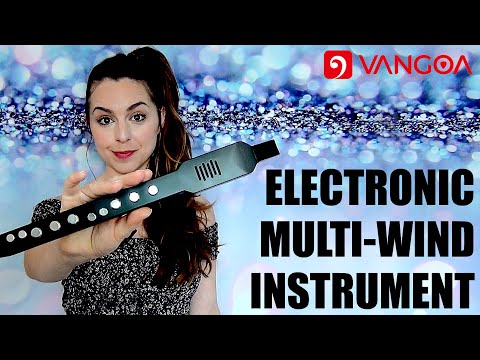
Some electronic wind instruments come with built-in sound engines, while others function purely as MIDI controllers that connect to external software synthesizers. USB connectivity, Bluetooth MIDI support, and compatibility with popular DAWs like Ableton Live, Logic Pro, and GarageBand are essential considerations for modern musicians.
Top Electronic Wind Instruments Reviewed
Below we highlight some of the most talked-about wind controllers based on extensive testing and aggregated expert feedback. These wind synth reviews cover beginner-friendly options, intermediate upgrades, and professional-grade models.
Roland Aerophone AE-10
The Roland Aerophone AE-10 is widely regarded as one of the best entry-level wind controllers for aspiring players. It features a realistic breath sensor, built-in sounds spanning flutes, saxophones, and brass, and a lightweight design that feels comfortable in the hands. Its Bluetooth MIDI capability means you can wirelessly connect to GarageBand or any compatible music app. Electronic wind instrument reviews consistently praise the AE-10 for its intuitive design and rich onboard sound library.
Yamaha YDS-150 Digital Saxophone
Yamaha’s YDS-150 is a game-changer for saxophonists who want the look and feel of a traditional sax with digital versatility. It uses a realistic key mechanism and a responsive breath sensor that mimics the resistance of an acoustic saxophone. The built-in speakers deliver surprisingly rich sound, making this model ideal for silent practice or casual jamming. However, its price point positions it closer to the intermediate category.
Akai EWI Solo
The Akai EWI Solo offers incredible versatility at an affordable price point. It uses a unique fingering system that differs from traditional recorder-style layouts, which takes a short learning curve but rewards players with exceptional agility. Its USB MIDI output makes it a favorite among producers and composers who need a responsive wind controller for studio work.

Roland Aerophone AE-3000
For advanced players seeking professional-grade features, the Roland Aerophone AE-3000 delivers with dual breath sensors, a wide range of customizable sounds, and premium build quality. This model is frequently highlighted in professional wind controller reviews for its expressive capabilities and robust MIDI implementation.
Comparison Table: Best Electronic Wind Instruments at a Glance

| Model | Skill Level | Built-in Sounds | Bluetooth MIDI | Price Range |
| Roland AE-10 | Beginner | Yes (100+ presets) | Yes | $300 – $400 |
| Yamaha YDS-150 | Intermediate | Yes (sax-focused) | No | $1,100 – $1,300 |
| Akai EWI Solo | Beginner to Intermediate | No (MIDI only) | No | $350 – $450 |
| Roland AE-3000 | Advanced | Yes (200+ presets) | No | $1,500 – $2,000 |
Best Electronic Wind Instruments for Beginners
If you are just starting your journey with digital wind instruments, the Roland AE-10 and Akai EWI Solo are the two most recommended options by experienced players and educators alike. Both offer affordable price points without sacrificing core functionality. The AE-10 shines with its built-in sounds and Bluetooth connectivity, while the EWI Solo excels as a pure MIDI controller for studio producers. When reading beginner electronic wind instrument reviews, look for mentions of ease of setup, learning curve, and overall value for money.
Experts suggest starting with a model that includes headphones output for private practice and a lightweight body so you can play for extended periods without strain. Many beginners also benefit from models that include educational software or companion apps that guide you through fingering exercises and scale practice.
Choosing the Right Wind Controller for Intermediate Players
Intermediate players typically have developed breath control and finger dexterity, which means they can take full advantage of more sophisticated wind controllers. The Yamaha YDS-150 is a standout choice for saxophone players transitioning to digital, while the Akai EWI USB offers exceptional versatility for those who play across multiple genres. Wind synth reviews from professional musicians often emphasize the importance of a responsive breath sensor and customizable key mappings at this stage.
Consider whether you want an instrument with built-in sounds or one that serves purely as a MIDI controller. Hybrid models like the Roland Aerophone series offer the best of both worlds, allowing you to play standalone or connect to your computer for music production.
Professional-Level Wind Controllers: What to Look For
Professional players and session musicians demand precision, durability, and expressive range. When evaluating professional electronic wind instrument reviews, these are the features that matter most:
- Dual breath sensors for nuanced dynamic control and expressive phrasing
- Customizable firmware that allows you to map every parameter to your workflow
- Premium build quality with materials that withstand touring and heavy use
- Advanced MIDI implementation supporting aftertouch, pitch bend, and modulation wheels
- Low-latency wireless connectivity for live performance scenarios
The Roland Aerophone AE-3000 and similar flagship models deliver on all these fronts, making them favorites among professional wind players who also produce music or perform in electronic and hybrid ensembles.
Expert Tips for Getting the Most Out of Your Wind Controller
- Invest in a good mouthpiece if your controller allows customization. The feel of the mouthpiece significantly impacts breath control and overall comfort.
- Practice with a metronome regularly to develop consistent breath support, which translates directly into better MIDI expression.
- Explore virtual instrument libraries like Sample Modeling, VSL, or EastWest to pair your wind controller with world-class sampled instruments.
- Use a dedicated MIDI interface for the lowest latency when connecting your controller to a computer for recording or live performance.
- Clean your instrument regularly to prevent moisture damage to sensitive breath sensors and electronic components.
Electronic Wind Instrument Reviews: Frequently Asked Questions
What is the best electronic wind instrument for a complete beginner?
The Roland Aerophone AE-10 is consistently rated as the best electronic wind instrument for complete beginners. It combines an intuitive recorder-style fingering system, responsive breath control, built-in sounds, and Bluetooth MIDI connectivity at an affordable price point, making it the top recommendation in virtually every beginner wind controller review.
Can I use an electronic wind instrument with GarageBand?
Yes, most modern electronic wind instruments connect to GarageBand via USB or Bluetooth MIDI. The Roland AE-10, Akai EWI Solo, and Yamaha YDS-150 are all compatible with GarageBand on iPad and Mac, allowing you to access a wide range of virtual instruments and produce music directly from your wind controller.
How long does it take to learn an electronic wind instrument?
Learning curve varies depending on your background. If you already play a woodwind instrument like a saxophone or flute, most players adapt to an electronic wind instrument within a few weeks. Complete beginners may need one to two months to develop consistent breath control and fingering accuracy. EWI review communities consistently report that regular, daily practice yields the fastest progress.
Are electronic wind instruments loud enough for live performances?
Most electronic wind instruments output audio through built-in speakers, headphone jacks, or external MIDI speakers. For live performances, connecting to a PA system or using a monitor speaker ensures adequate volume. Professional models like the Roland Aerophone AE-3000 deliver clear, projection-ready sound that performs well in live band settings.
What is the price range for a quality wind controller?
Quality wind controllers range from approximately $300 for beginner models like the Roland AE-10 to $2,000 or more for professional-grade options like the Roland AE-3000. The sweet spot for intermediate players typically falls between $400 and $800, where you get excellent build quality, responsive sensors, and versatile connectivity without breaking the bank.
Final Thoughts
The world of electronic wind instruments has never been more accessible or more exciting. Whether you are a curious beginner searching for a creative outlet, an intermediate player looking to expand your sonic palette, or a professional musician chasing expressive precision in every note, there is a wind controller perfectly suited to your needs. The best electronic wind instrument reviews all point toward the same conclusion: investing in quality breath control, responsive sensors, and versatile connectivity will pay dividends for years to come. Take your time, try models before buying when possible, and trust your ears above all else. The perfect wind controller is out there waiting for you.