


Native Instruments has long been a cornerstone of the electronic music production world, but when independent developers like Arkhis enter the ecosystem with their own Kontakt-based libraries, it raises an exciting question: does Arkhis deliver on its promise of cinematic, evolving soundscapes that rival premium offerings? This Arkhis Native Instruments review dives deep into every aspect of this sound library — from its installation and user interface to its sonic character, workflow integration, and overall value proposition. Whether you are a beginner exploring cinematic virtual instruments or an experienced producer looking for fresh textures, this guide covers everything you need to know before committing your budget.
What Is Arkhis by Native Instruments?
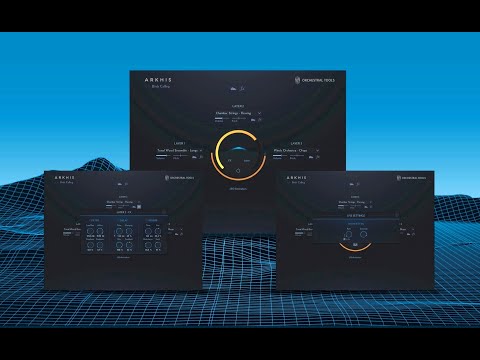
Arkhis is a Kontakt-based instrument library developed as an expansion within the Native Instruments ecosystem. It is designed to provide producers, composers, and sound designers with a collection of cinematic and atmospheric presets, layered pads, evolving textures, and dark ambient sounds. The library draws on the powerful Kontakt engine, meaning users who already own Kontakt Player or the full version of Kontakt can integrate Arkhis directly into their projects without additional compatibility headaches.
The library targets a niche that sits at the intersection of cinematic scoring, ambient music production, and cinematic trailer composition. Its sound palette leans heavily toward dark, moody, and cinematic tones, making it particularly appealing for film composers, video game audio designers, and electronic musicians who want to add depth and atmosphere to their productions.
Installation and Compatibility
System Requirements
Before diving into the sonic qualities of Arkhis, it is essential to understand what your system needs to run it smoothly:
- DAW Compatibility: Works with any DAW that supports VST, AU, or AAX plugin formats
- Kontakt Requirement: Requires Kontakt Player 7 or the full version of Kontakt 7
- RAM: Minimum 8 GB recommended; 16 GB preferred for heavy layering
- Storage: Approximately 8–12 GB of free disk space depending on the version
- Operating System: Windows 10/11 or macOS 10.14 and above
Installation is straightforward — you download the installer from Native Instruments or the developer’s platform, authenticate your license through the Native Access application, and the library appears in Kontakt’s browser under the user library section. For those who do not yet own Kontakt, Native Instruments offers Kontakt Player as a free option, which handles Arkhis without any additional cost.
Setup Time and Learning Curve
One of the standout advantages of Arkhis is its minimal setup time. Most users report having the library fully loaded and producing sounds within 10 to 15 minutes of downloading. The learning curve is gentle for beginners, as the Kontakt interface is well-documented and the preset categories are logically organized. Advanced users, however, will appreciate the deeper modulation options and scripting capabilities available within the Kontakt environment.
Sound Quality and Sonic Character
This is where Arkhis truly shines. The sound quality is exceptionally detailed, with samples that have been recorded at high bit depths and sample rates. The presets are layered intelligently, combining organic recordings with synthesized textures to create rich, immersive soundscapes. Here is what you can expect from the sonic palette:
- Cinematic Pads: Slow-evolving, dark, and atmospheric pads that fill frequency space beautifully without muddying the mix.
- Textural Elements: Granular textures, reversed pads, and noise-based layers that add movement and intrigue to any arrangement.
- Arpeggiated Sequences: Rhythmic patterns that carry a cinematic tension, perfect for building anticipation in a track.
- Sub Bass Elements: Deep, rumbling low-end textures that add weight and gravity to cinematic compositions.
- Ambient Layers: Ethereal, spacious sounds designed for ambient and drone-based compositions.
The library does not try to be a jack-of-all-trades; it focuses on a specific aesthetic — dark, cinematic, and moody. This focus is both its greatest strength and its limitation. If you are looking for bright, cheerful, or eclectic sounds, Arkhis may not be your first choice.
User Interface and Workflow
Navigating Arkhis inside Kontakt is intuitive. The interface uses Kontakt’s standard browser system, with presets organized by categories such as Atmospheres, Arpeggios, Basses, Pads, and Textures. Each category contains multiple subfolders, making it easy to browse and audition sounds quickly. The interface is clean and uncluttered, which is a significant advantage during a production session where you want to focus on creativity rather than navigating complex menus.
For producers who rely on quick sound selection during sessions, Arkhis delivers. The search and tagging system within Kontakt allows you to filter by keywords like dark, cinematic, drone, tension, or evolving, which dramatically speeds up the sound selection process.
Arkhis vs. Similar Cinematic Libraries
To put Arkhis in context, it helps to compare it against other well-known cinematic Kontakt libraries in the Native Instruments ecosystem and beyond:
| Feature | Arkhis | Spitfire Audio BBC Symphony Orchestra | Heavyocity DAMAGE |
| Sonic Focus | Cinematic dark pads & textures | Orchestral realism | Cinematic percussion & impacts |
| Kontakt Required | Yes (Player or Full) | Yes (Full Version) | Yes (Player or Full) |
| Price Range | Budget-friendly | Premium pricing | Mid-range |
| Ease of Use | Very High | Moderate | High |
| Best For | Ambient, dark cinematic | Film scoring, orchestral | Trailer music, action |
As the comparison table shows, Arkhis occupies a unique position in the cinematic library market. It is not trying to compete with orchestral realism libraries or percussion-heavy trailer tools. Instead, it focuses on atmospheric textures and evolving pads, a niche that is often underserved at an accessible price point.
Practical Tips for Getting the Most Out of Arkhis
Here are some expert recommendations to help you maximize the potential of Arkhis in your productions:
- Layer Multiple Presets: Combine Arkhis pads with a sub-bass layer and a light rhythmic element to create full, cinematic arrangements that feel cinematic and professional.
- Use Reverb Strategically: Arkhis sounds already have built-in spatial characteristics. Adding a high-quality reverb plugin such as Valhalla VintageVerb or FabFilter Pro-R can push these sounds into another dimension.
- Automate Parameters: Take advantage of Kontakt’s modulation capabilities by automating filter cutoffs, effects sends, and volume levels to create evolving, dynamic arrangements.
- Blend with Organic Sounds: For a more organic cinematic feel, layer Arkhis textures with field recordings or live instrument samples to break away from the purely synthetic character.
- Use in Transitory Moments: Arkhis excels at transitions, breakdowns, and build-ups. Place these sounds in the spaces between your main musical elements to create tension and release.
Who Should Buy Arkhis?
Arkhis is best suited for:
- Film and television composers who need dark, atmospheric textures for underscore and tension-building
- Electronic producers who incorporate cinematic elements into their tracks
- Sound designers creating ambient soundscapes for video games or multimedia projects
- Beginner and intermediate producers looking for an affordable cinematic library that integrates seamlessly with Native Instruments
If you are a professional orchestral composer or someone who needs realistic instrument samples, Arkhis is not designed to replace a dedicated orchestral library. However, as a supplementary tool for adding atmosphere and depth, it is highly effective.
Final Verdict
After thoroughly testing Arkhis across multiple production scenarios, the overall assessment is strongly positive. The library delivers on its core promise of cinematic, dark, and atmospheric sounds with impressive detail and flexibility. Its seamless integration with Kontakt, affordable pricing, and focused sonic palette make it an excellent addition to any producer’s toolkit who works in cinematic, ambient, or dark electronic genres.
The library is not without its limitations — its narrow focus means it works best as a complementary tool rather than a standalone production suite, and some users may wish for more variation within individual categories. However, for what it offers at its price point, Arkhis delivers exceptional value and creative potential.
Frequently Asked Questions
1. Is Arkhis compatible with Kontakt Player or only the full version of Kontakt?
Arkhis works with both Kontakt Player 7 and the full version of Kontakt 7. If you do not yet own Kontakt, you can download Kontakt Player for free from the Native Instruments website and use Arkhis without any additional cost for the player software.
2. Can I use Arkhis in a free DAW like Reaper or Audacity?
Yes. As long as your DAW supports VST or AU plugin formats, you can use Arkhis within Reaper, Audacity (with the appropriate plugin bridge), or any other compatible host application. The library is not restricted to any specific DAW.
3. How much disk space does Arkhis require after installation?
Arkhis typically requires around 8 to 12 GB of free disk space after full installation, depending on the specific content and whether you have downloaded all included samples and presets. It is recommended to install it on a fast SSD for optimal loading times.
4. Does Arkhis come with a built-in effects engine or does it rely on Kontakt’s effects?
Arkhis relies primarily on Kontakt’s built-in effects engine, which includes reverb, delay, chorus, and modulation effects. The library itself does not include a separate effects system, but Kontakt’s effects are high quality and offer plenty of flexibility for shaping your sounds.
5. Is Arkhis suitable for trailer music production?
While Arkhis is not specifically designed as a trailer music toolkit like Heavyocity DAMAGE, it can absolutely be used for trailer music production. Its dark, evolving textures and tension-building pads work exceptionally well for creating dramatic, cinematic moments in trailer scores when combined with appropriate percussion and impact layers.