


Acoustic guitar chords form the foundation of nearly every song you will ever play on a steel-string or nylon-string instrument. Whether you are picking up the guitar for the first time or looking to break through a playing plateau, understanding how chords are constructed, voiced, and applied is the single most transformative skill you can develop. This guide dives deep into acoustic guitar chords across every skill level, covering essential open shapes, barre chord progressions, extended voicings, and practical techniques that will genuinely accelerate your growth as a guitarist.
What Are Acoustic Guitar Chords and Why They Matter
A chord is simply a group of three or more notes played simultaneously, and on the acoustic guitar, these notes are arranged across the fretboard using specific finger positions. The beauty of acoustic guitar chords lies in their portability and versatility. Unlike keyboard instruments, the guitar allows you to move the same chord shape up and down the neck, transpose keys effortlessly, and create rich textures using open strings, suspended tones, and added extensions. Chords serve as the harmonic backbone of rhythm guitar playing, fingerstyle arrangements, songwriting sessions, and live performances. When you master acoustic chord shapes, you unlock the ability to accompany singers, play along with backing tracks, and write your own music from scratch.
Essential Beginner Chords to Learn First
If you are brand new to the instrument, certain open chord shapes should be your immediate priority. These beginner-friendly voicings use open strings and simple finger placements that produce full, ringing sounds without requiring advanced hand strength.
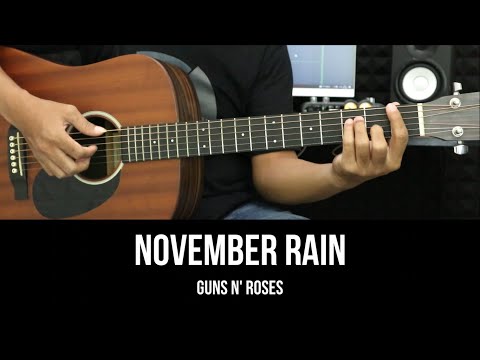
Open Chords Every New Player Should Know
Open chords are chords that incorporate unfretted strings, and they are the easiest entry point for acoustic guitarists. The most commonly used open chord shapes include:
- G major – A bright, open chord ideal for country, folk, and pop progressions
- C major – One of the most versatile chords, appearing in countless beginner songs
- D major – A compact shape that produces a warm, punchy tone
- E major – A full-bodied chord that leverages open low strings
- A major – Great for strumming patterns and rhythm work
- Em (E minor) – The simplest minor chord, essential for understanding chord families
- Am (A minor) – The go-to minor chord for emotional, introspective songs
Practicing transitions between these seven shapes is the fastest way to build chord fluency. Start by switching between G and C, then add D, E, and A to your practice routine. Use a metronome at a slow tempo and focus on clean fretting rather than speed.

Intermediate Chords That Level Up Your Playing
Once you have solidified your open chord vocabulary, the next stage involves expanding into shapes that demand more finger independence and strength. Intermediate acoustic guitar chords introduce barre techniques, suspended tones, and seventh intervals that dramatically broaden your harmonic palette.
Barre Chords and Seventh Chords
Barre chords are arguably the most important milestone for any acoustic guitarist. A barre chord uses one finger—typically the index finger—to press down multiple strings across a single fret, creating a movable chord shape that can be played anywhere on the neck. The two foundational barre shapes are derived from open E and open A chord forms:
- E-shape barre chords – Move the open E major or E minor shape up the fretboard while barring the corresponding strings with your index finger
- A-shape barre chords – Shift the open A chord position up the neck, using your index finger to barre the strings behind the root note
Seventh chords add a layer of sophistication to acoustic arrangements. Dominant seventh chords (like G7 or C7) introduce a bluesy tension, while minor seventh chords (Am7, Em7) create a more mellow, jazzy color. Major seventh chords (Cmaj7, Fmaj7) are particularly popular in fingerstyle and acoustic pop music because of their warm, lush sound.
Advanced Chord Voicings and Techniques
For experienced players looking to refine their acoustic sound, advanced chord voicings open up an entirely new world of harmonic possibility. These shapes go beyond standard triads and simple seventh chords, incorporating extended intervals and creative fingerings that make your playing sound professional and polished.
Extended Chords and Fingerstyle Progressions
Extended chords such as ninths, elevenths, and thirteenths are common in jazz-influenced acoustic guitar music. While a full 13th chord contains six notes and may be impractical on a six-string instrument, skilled players select specific chord tones to voice rich, complex harmonies. Drop-2 and drop-3 voicings are also essential tools for fingerstyle players who want smooth voice leading between chord changes.
When building fingerstyle progressions, consider these practical approaches:
- Use the thumb to alternate between bass notes while fingers pluck the chord tones on higher strings
- Experiment with slash chords (such as C/E or G/B) to create descending bass lines within a progression
- Apply suspended chords (sus2 and sus4) to add movement and tension before resolving back to a major or minor triad
- Layer chord inversions so that the lowest note changes smoothly rather than jumping across the fretboard
Comparison of Common Acoustic Guitar Chord Types
The table below breaks down the most common acoustic chord types, their intervals, and the genres where they are most frequently used.
| Chord Type | Intervals | Sound Character | Common Genres |
| Major Triad | Root, Major 3rd, Perfect 5th | Bright, stable, happy | Pop, folk, country, rock |
| Minor Triad | Root, Minor 3rd, Perfect 5th | Melancholic, introspective | Acoustic ballads, singer-songwriter |
| Dominant Seventh | Root, M3, P5, Minor 7th | Bluesy, tension-filled | Blues, folk-rock, Americana |
| Major Seventh | Root, M3, P5, Major 7th | Warm, lush, sophisticated | Fingerstyle, neo-soul, pop |
| Minor Seventh | Root, m3, P5, Minor 7th | Smooth, mellow | Jazz, R&B acoustic, indie |
| Sus2 / Sus4 | Root, 2nd or 4th, P5 | Open, floating, unresolved | Alternative, ambient, worship |
| Diminished | Root, m3, dim5th | Tense, unstable, dramatic | Classical, film scores, jazz |
| Augmented | Root, M3, aug5th | Unusual, searching | Progressive, experimental |
Expert Tips for Mastering Acoustic Guitar Chords
Improving your chord playing is not just about memorizing shapes. Here are actionable strategies that experienced guitarists use to accelerate their chord mastery:
- Practice chord transitions daily – Set a timer for ten minutes and cycle through common progressions like G-C-D, Am-Em-D, or C-G-Am-F at a comfortable tempo before gradually increasing the speed
- Use a chord chart or diagram reference – Visual aids help reinforce finger placement and make it easier to identify which strings should ring open
- Focus on thumb position – A properly placed thumb behind the neck provides the leverage and stability needed for clean barre chords and wide stretches
- Record yourself regularly – Listening back to your strumming reveals buzzing, muting issues, and timing inconsistencies that are hard to notice while playing
- Learn songs you love – Applying chords to real songs makes practice feel purposeful and keeps motivation high
- Invest in proper setup – An acoustic guitar with high action or poor intonation makes chords harder to play cleanly, so ensure your instrument is set up correctly
Frequently Asked Questions (FAQs)
What is the easiest acoustic guitar chord for a complete beginner?
The easiest acoustic guitar chord for a complete beginner is typically Em (E minor) because it only requires two fingers and uses open strings that ring freely. From there, most instructors recommend learning E major, A major, and C major as the next steps in building a foundational chord vocabulary.
How long does it take to learn barre chords on acoustic guitar?
Most dedicated beginners can play clean barre chords within two to six weeks of consistent practice. The timeline depends on finger strength, hand flexibility, and the gauge of strings you use. Lighter gauge strings (such as .011 or .012 sets) make barre chords significantly easier to press down while you build the necessary strength.
What are the most common acoustic guitar chord progressions used in popular songs?
The I-IV-V progression (such as C-F-G in the key of C) is the most universally used chord progression across acoustic guitar music. The I-V-vi-IV progression (C-G-Am-F) powers countless pop and folk hits, while the ii-V-I progression is essential for jazz-influenced acoustic playing. These three progressions cover the vast majority of songs you will encounter.
Should I learn chord shapes or chord theory first when starting acoustic guitar?
Most guitar teachers recommend learning chord shapes first and introducing chord theory gradually as you advance. Having hands-on experience with actual chord voicings creates a tactile understanding that theory alone cannot replicate. Once you are comfortable with open chords and barre shapes, exploring why certain chords work together within a key will deepen your musicianship significantly.
How can I make my acoustic guitar chords sound fuller and more resonant?
To achieve a fuller sound, ensure each fretted note is pressed firmly close to the fret wire, avoid accidentally touching adjacent strings, and experiment with strumming techniques that emphasize the bass notes on beats one and three. Using a capo can also open up new voicings that sound brighter and more resonant than standard open positions.
Mastering acoustic guitar chords is a journey that rewards patience, consistency, and curiosity. From the simplest open shapes that let you strum along to your favorite songs, to advanced extended voicings that elevate your fingerstyle arrangements, every new chord shape you learn adds another tool to your musical toolkit. The key is to practice with intention, focus on clean transitions, and never shy away from challenging yourself with new harmonic territory. With dedicated practice and the right approach, acoustic guitar chords become not just a technical skill but a genuine form of musical expression that will serve you for the rest of your playing life.