


If you have always dreamed of sitting down at a piano and playing beautiful music, now is the perfect time to start. Beginners piano lessons are more accessible today than ever before, thanks to online platforms, local music schools, and a growing community of passionate teachers. Whether you are a complete beginner with zero musical background or someone picking up the keys after years away, understanding what lies ahead can make the difference between giving up after two weeks and building a lifelong skill. This comprehensive guide walks you through everything you need to know — from your very first lesson to developing intermediate and advanced fluency at the piano.
Why Beginners Piano Lessons Are Worth Your Time
Learning to play the piano is not just about entertainment. Research consistently links musical training to improved cognitive function, better memory retention, and enhanced emotional well-being. When you invest in structured beginners piano lessons, you are not simply memorizing keys — you are training your brain to process rhythm, pitch, and coordination simultaneously.
For adults, the benefits go even deeper. Many students report reduced stress levels, improved focus, and a sense of accomplishment that carries over into their professional and personal lives. Children who start with beginner piano classes develop discipline, patience, and a stronger foundation for learning other instruments later on. The key is finding a learning path that matches your current skill level and goals.
What Makes a Beginner Piano Program Effective?
A well-designed program for learning piano basics should include the following core components:
- Proper hand positioning and posture from day one
- Introduction to the musical alphabet, notes, and rhythm
- Simple sight-reading exercises using familiar melodies
- Gradual progression from single-finger melodies to two-handed coordination
- Regular feedback from a qualified instructor or structured curriculum
Without these elements, students often develop bad habits that are difficult to unlearn later. This is why self-teaching, while possible, benefits greatly from even occasional guidance by a trained piano teacher.
What to Expect in Your First Piano Lesson
Walking into your first beginner piano class can feel intimidating, but understanding the structure of a typical lesson removes much of that anxiety. Most instructors begin with a brief assessment of your musical background, goals, and any prior experience with instruments.
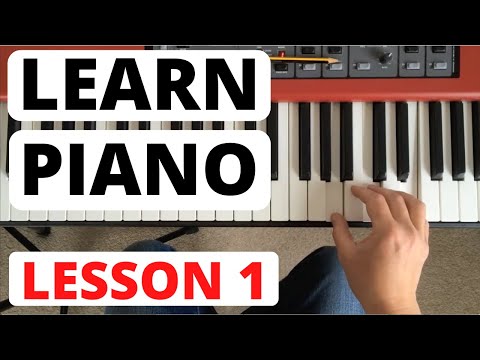
From there, a standard first lesson typically covers these areas:
- Orientation — Learning the layout of the piano keyboard, identifying the keys, and understanding the pattern of black and white keys
- Posture and Hand Position — Sitting at the correct height, keeping wrists relaxed, and placing fingers in a natural curved position
- Music Theory Basics — Introducing the musical alphabet (A through G), understanding beats, and recognizing simple time signatures
- First Song — Playing a very simple melody, such as “Ode to Joy” or “Chopsticks,” using one hand at a time
- Practice Plan — The instructor assigns short daily exercises and sets achievable goals for the week ahead
A good teacher will also address any fears or misconceptions you may have. Many beginners worry that they do not have a “musical ear” or that they are too old to learn. These concerns are almost always unfounded — piano is an instrument that rewards consistent, mindful practice at any age.
Choosing the Right Piano or Keyboard for Beginners
One of the most important decisions new students face is selecting an instrument. You do not need an expensive grand piano to start learning, but you do need a keyboard that feels responsive and accurately represents the piano experience.
| Feature | Digital Piano | Keyboard | Acoustic Piano |
| Price Range | $300 – $1,200 | $50 – $500 | $2,000 – $15,000+ |
| Weighted Keys | Yes (most models) | Rare | Yes (hammered action) |
| Portability | Moderate | Very portable | Heavy, not portable |
| Sound Quality | Excellent samples | Varies widely | Rich, natural resonance |
| Best For | Serious beginners and intermediates | Casual learners and children | Advanced players and dedicated students |
If budget is a concern, a mid-range digital piano with weighted keys is the best starting point for most beginners piano lessons. Brands like Yamaha, Roland, and Casio offer reliable models that closely replicate the touch and feel of an acoustic instrument.
Essential Skills Every Beginner Piano Player Should Master
Building a strong foundation early on sets you up for success at every subsequent level. Here are the core skills that any beginner piano curriculum should emphasize:
1. Reading Sheet Music and Understanding Rhythm
Sight-reading is the ability to look at a piece of written music and play it without prior practice. While advanced players develop speed in sight-reading, beginners should focus on understanding note values, rests, and time signatures. Even five minutes of daily reading practice accelerates progress dramatically.
2. Finger Independence and Dexterity
Playing piano with both hands doing different things simultaneously is one of the hardest skills for a new player. Hanon exercises and simple scales help train each finger to move independently, building the dexterity needed for more complex pieces.
3. Playing by Ear and Recognizing Intervals
Ear training is an often-overlooked component of beginner piano classes. Learning to recognize intervals — the distance between two notes — helps you pick up melodies by ear, transpose songs to different keys, and improvise more freely.
4. Proper Pedaling Technique

While advanced pedal work comes later, beginners should start exploring the sustain pedal early. Learning when to press and release the pedal adds expression and connects notes smoothly, giving your playing a polished sound even at the beginner level.
How to Practice Effectively as a Beginner
How you practice matters as much as how often you practice. Many beginners make the mistake of sitting down for a long session and playing through pieces repeatedly without focusing on specific weaknesses. Here are expert tips for productive practice sessions:
- Keep sessions short but consistent — 20 to 30 minutes daily is far more effective than a two-hour session once a week
- Warm up with scales — Spend the first five minutes on simple major and minor scales to loosen your fingers
- Slow down difficult passages — Practice tricky sections at half speed and gradually increase tempo only when accuracy improves
- Use a metronome — Developing a steady internal rhythm is essential for playing with other musicians or performing confidently
- Record yourself regularly — Listening back reveals mistakes you might not notice while playing and tracks your progress over time
Beginner vs. Self-Taught: Which Approach Wins?
The debate between formal beginner piano classes and self-directed learning is a common one. Both approaches have merit, but they serve different types of learners.
| Criteria | Formal Lessons | Self-Taught |
| Cost | $30 – $80 per lesson (in-person); $10 – $30/month (online) | Free to low-cost (YouTube, apps) |
| Structure | Step-by-step curriculum with accountability | Self-paced; requires discipline |
| Feedback | Immediate correction of technique and posture | Delayed or absent |
| Progress Speed | Generally faster due to guided instruction | Slower; risk of developing bad habits |
| Flexibility | Scheduled lesson times | Learn anytime, anywhere |
| Best For | Students who want solid foundations and accountability | Casual learners who prefer autonomy |
For most serious students, a hybrid approach works best. Take formal lessons once or twice a month and supplement with online resources and daily self-practice. This gives you the benefit of expert feedback while maintaining the flexibility to learn at your own pace.
Moving Beyond the Basics: Intermediate and Advanced Milestones
Once you have completed your initial beginners piano lessons and feel comfortable with basic scales, simple chords, and easy melodies, you will naturally begin to wonder what comes next. The intermediate phase introduces more complex techniques such as arpeggios, chord inversions, and playing expressively with dynamics. Advanced players explore improvisation, jazz voicings, and classical repertoire spanning centuries of compositional history.
The important thing to remember is that the piano is a lifelong journey. There is no finish line, only continuous growth and discovery. Every level — beginner, intermediate, and advanced — offers its own unique rewards and challenges.
Conclusion
Starting your journey with beginners piano lessons is one of the most rewarding decisions you can make. Whether you are drawn to classical pieces, jazz improvisation, pop songs, or simply want to understand music more deeply, the piano provides an incredibly versatile and satisfying outlet for creativity. The key is to start with a solid foundation, practice consistently, and enjoy the process. With the right instrument, the right guidance, and a genuine passion for learning, you will be playing music that moves people — including yourself — sooner than you think.
Frequently Asked Questions
How long does it take to learn piano as a complete beginner? Most students can play simple songs within four to six weeks of consistent daily practice, but achieving fluency and confidence typically takes six months to a year of regular lessons.
Can adults start beginners piano lessons, or is it too late? It is absolutely never too late. Adults often learn faster than children in certain areas because they can grasp music theory concepts more quickly. Many piano teachers specialize in working with adult beginners.
What is the best way to learn piano at home for beginners? A combination of a structured online course or app supplemented with periodic lessons from a qualified teacher provides the best balance of flexibility and accountability.
Do I need to know how to read music to play piano? While it is possible to play by ear and chord charts alone, learning to read sheet music opens up a vastly wider library of songs and significantly accelerates your progress as a pianist.
How often should beginners take piano lessons? Weekly lessons are ideal for most beginners. However, even biweekly lessons combined with daily self-practice of 20 to 30 minutes can produce strong results.
Is a 61-key keyboard enough for starting piano lessons? A 61-key keyboard is acceptable for absolute beginners learning basic songs, but transitioning to an 88-key weighted digital piano is recommended within the first six to twelve months for a more authentic playing experience.