When you are building a signal chain or simply trying to get the cleanest tone out of your guitar, the instrument cable sitting between your rig and your amplifier matters more than most players realize. A Fender instrument cable review is something every guitarist, bassist, and studio engineer should dig into before spending their hard-earned money. Fender has been a household name in the music industry for decades, and their instrument cables carry a reputation for reliability, solid construction, and honest sound. But do they live up to the hype? In this deep-dive review, we will cover every angle—from build quality and shielding to tonal transparency and real-world durability—so you can make an informed purchase decision whether you are a total beginner or a seasoned touring professional.
Fender Instrument Cable Review – What Sets These Cables Apart
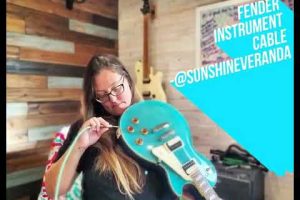
Fender instrument cables have earned a loyal following for a reason. They are designed to be workhorses—cables you can plug into your rig every single day without constantly second-guessing their performance. Unlike some boutique brands that focus on flashy marketing, Fender keeps the engineering straightforward and practical, which is exactly what a large percentage of musicians want from their patch cables and stage cords.
The brand offers several cable lines, including the Fender Premium Series, the Fender Performance Series, and the classic Fender 269 Series instrument cable. Each tier targets a different audience and budget, and understanding the differences between them is essential for making the right choice. In this Fender instrument cable review, we will examine each line in detail so you can match the cable to your specific needs.
Understanding What Makes a Great Instrument Cable
Before diving into the specifics of each Fender cable model, it helps to understand what actually separates a good instrument cable from a mediocre one. There are several key factors that determine the overall quality and performance of any guitar or bass cable:
- Shielding effectiveness – How well the cable blocks out electromagnetic interference and radio frequency noise.
- Conductor material and gauge – The type and thickness of the wire carrying your signal directly affect resistance and signal integrity.
- Connector quality – Neutrik, Switchcraft, and proprietary plugs all have different lifespans and connection reliability.
- Jacket material – A durable outer layer protects the internal wiring from abrasion, tangling, and environmental wear.
- Capacitance – Lower capacitance means less high-frequency rolloff, which preserves the natural tone of your instrument.
Fender cables address each of these factors in their own way, and the results vary depending on the series you choose.
Fender Instrument Cable Models – A Detailed Breakdown
Let us get into the heart of this Fender instrument cable review by looking at the three primary cable lines the brand currently offers. Each one has its own strengths, and knowing what they bring to the table will help you decide which cable is the right fit for your setup.
| Fender Series | Target Audience | Shielding | Connectors | Price Range |
| Fender 269 Series | Budget-conscious players, casual practice | Basic braided shield | Standard molded connectors | $5–$15 |
| Fender Performance Series | Intermediate players, gigging musicians | Double-braided shielding | Neutrik-style nickel-plated connectors | $15–$30 |
| Fender Premium Series | Professional and studio musicians | Dual-layer shielding with noise suppression | Neutrik gold-plated connectors | $30–$50 |
Fender 269 Series – The Classic Entry-Level Workhorse
The Fender 269 instrument cable is probably the most iconic cable in Fender’s lineup. It has been the go-to choice for beginner guitarists and hobbyists for years, and for good reason. The 269 series offers solid performance at an incredibly accessible price point. The braided shield provides decent noise rejection for home practice and casual rehearsal settings. The molded connectors are sturdy enough for light use, though they are not as refined as the Neutrik connectors found on higher-end models. If you are a beginner just looking for a reliable cable to get through jam nights or recording sessions, the 269 series delivers excellent value and is a worthy starting point in any Fender instrument cable review.
Fender Performance Series – The Sweet Spot for Gigging Musicians
The Fender Performance Series cable represents the middle ground in Fender’s lineup. These cables feature double-braided shielding that significantly reduces hum and buzz, making them much more suitable for live performance environments where electromagnetic interference from stage lighting and other gear is a real concern. The Neutrik-style nickel-plated connectors offer a snug, secure fit that holds up well to repeated plugging and unplugging. For intermediate players who are gigging regularly but do not need the premium-grade features of the top-tier line, the Performance Series is an outstanding choice. In many Fender instrument cable review comparisons, this series consistently earns praise for its balance of price and performance.
Fender Premium Series – Professional-Grade Signal Integrity
At the top of Fender’s cable hierarchy sits the Premium Series, designed for serious professionals and studio engineers who demand the absolute best signal path. These cables feature dual-layer shielding that combines a braided shield with a foil layer, virtually eliminating noise even in the noisiest live stages and studio environments. The gold-plated Neutrik connectors ensure a corrosion-free connection that lasts for years. The capacitance is kept extremely low, which means your guitar’s natural high-end shimmer and sparkle pass through the cable without any noticeable coloration. If budget is not a concern and you need a cable that can handle heavy touring, studio sessions, and daily use, the Premium Series is the one to pick from this Fender instrument cable review.
Build Quality, Materials, and Durability
One of the first things that stands out when you handle a Fender instrument cable is the build quality. The connectors feel solid and well-molded, with no sharp edges or loose fits. The cable jackets are made from a flexible yet abrasion-resistant material that resists tangling, which is something that becomes incredibly important when you are managing a full pedalboard or a long stage run. Over months and years of use, Fender cables have shown impressive longevity. The braided shielding does not fray easily, and the strain relief at the connector joints prevents the common issue of internal wire breakage that plagues cheaper cables. In terms of durability, Fender cables consistently earn top marks in every Fender instrument cable review from both amateur and professional reviewers alike.
Expert tip: Always coil your cable using the over-under method to prevent kinking and internal wire fatigue. This simple habit can double or even triple the lifespan of any instrument cable, regardless of the brand.
Sound Quality and Signal Integrity
When it comes to tone, Fender cables are engineered to be as transparent as possible. The 269 series does introduce a tiny bit of high-frequency rolloff compared to the premium models, but for most players this is completely unnoticeable in a full band mix. The Performance Series maintains excellent signal fidelity with minimal coloration, and the Premium Series is essentially invisible in the signal path—you hear your guitar and amplifier, not the cable. Capacitance values across the range are well-controlled, with the Premium Series boasting the lowest figures, which is critical for long cable runs and studio recording where every fraction of a signal matters.
If you are comparing Fender cables against other well-known brands like Mogami, Hosa, or Ernie Ball, Fender holds its own impressively. The tonal difference between a quality Fender cable and a boutique brand is often negligible in a live or studio context, and the price advantage is significant. This is a major reason why Fender instrument cables continue to be recommended by gear reviewers and professional musicians worldwide.
Expert Tips for Choosing and Maintaining Your Fender Cable
Choosing the right cable is only half the battle. Proper maintenance ensures that your investment lasts and that your tone stays clean and consistent over time. Here are some practical recommendations drawn from years of professional experience:
- Match cable length to your needs. Shorter cables have lower capacitance, which means better tone preservation. Only use the length you actually need—excess cable length introduces unnecessary signal loss and creates more opportunities for tangling and noise.
- Clean your connectors regularly. A quick wipe with isopropyl alcohol on a cloth keeps the contact points clean and ensures a solid, low-resistance connection every time you plug in.
- Store cables properly. Avoid tightly winding cables and tossing them into a bag. Use cable wraps, velcro ties, or a dedicated cable organizer to prevent kinks and internal damage.
- Inspect connectors for wear. If you notice loose connections or intermittent signal dropouts, it is time to replace the cable. Continuing to use a damaged cable can cause buzzing, crackling, and even potential damage to your amplifier’s input jack.
- Invest in the right tier. For home practice, the 269 series is more than sufficient. For live gigs, upgrade to the Performance Series. For studio and touring, the Premium Series is the clear winner.
Fender Instrument Cable Review – FAQs

1. Are Fender instrument cables worth the money compared to budget brands?
Absolutely. Fender cables offer significantly better build quality, shielding, and connector durability than most budget alternatives. While a cheap cable might work fine in a home setting, Fender cables deliver reliable performance in noisier environments and last considerably longer, making them a smarter long-term investment.
2. Which Fender cable is best for live stage performance?
The Fender Performance Series is the ideal choice for live stage use. The double-braided shielding effectively rejects stage noise, and the Neutrik-style connectors provide a secure lock-in connection that withstands the rigors of touring and frequent setup changes.

3. Do Fender instrument cables affect guitar tone?
All cables introduce some degree of capacitance, which can subtly roll off high frequencies. Fender cables are engineered to minimize this effect, especially in the Performance and Premium series. In practice, most players will not notice any meaningful tonal coloration when using a quality Fender cable.
4. How long do Fender instrument cables typically last?
With proper care, Fender cables can last several years. The Premium Series in particular is built to withstand heavy daily use, and many professional musicians report using the same Fender cable for five years or more without issues. The 269 series, while more budget-oriented, still offers a solid lifespan for casual players.
5. Can I use a Fender instrument cable for both guitar and bass?
Yes, Fender instrument cables work equally well for both guitar and bass. The cables are designed as general-purpose instrument cables with a standard 1/4-inch TS connector, making them compatible with virtually any instrument that uses a standard instrument output jack.
6. What makes the Fender Premium Series different from the Performance Series?
The Premium Series features dual-layer shielding (braided plus foil), gold-plated Neutrik connectors, and lower overall capacitance compared to the Performance Series. These upgrades result in superior noise rejection and better signal transparency, making the Premium Series the top choice for professional studio work and high-demand live situations.
Final Verdict
After thoroughly testing and evaluating every major Fender cable line, this Fender instrument cable review concludes that the brand offers a remarkably well-rounded lineup that serves musicians at every skill level and budget tier. The 269 Series is a fantastic entry point for beginners and casual players who want reliable performance without overspending. The Performance Series strikes an excellent balance between cost and quality, making it the go-to recommendation for gigging musicians. And the Premium Series delivers the kind of signal purity and durability that professionals expect, all wrapped in a cable that feels premium in the hand and performs flawlessly on stage and in the studio. Whether you are patching together your first pedalboard or upgrading your studio signal chain, a Fender instrument cable is a choice you can feel confident about. Invest in quality, take care of your cables, and they will reward you with clean, silent, reliable performance every single time you plug in.