


Understanding the at home sleep study cost is one of the first questions that comes to mind when you or a loved one suspect a sleep disorder. Sleep apnea, insomnia, restless leg syndrome, and other sleep-related conditions affect millions of Americans, yet many never seek testing because they assume the process will be complicated or prohibitively expensive. The truth is that modern sleep diagnostics have evolved dramatically, and an at-home sleep test offers a convenient, more affordable alternative to traditional in-lab polysomnography. This guide breaks down everything you need to know about pricing, what influences cost, insurance coverage, and how to make an informed decision.
What Is an At-Home Sleep Study?
An at-home sleep study, also known as portable monitoring or ambulatory sleep testing, is a diagnostic tool that measures your breathing patterns, oxygen levels, heart rate, and body movements while you sleep in the comfort of your own bed. Unlike a traditional in-lab sleep study that requires an overnight stay at a specialized facility, home-based sleep tests use compact devices you pick up from a provider or receive by mail. These devices typically include sensors for your finger, chest, and nasal passages, and they record data over one to three nights.

The most common conditions diagnosed through home sleep testing include obstructive sleep apnea (OSA), central sleep apnea, and nocturnal hypoxemia. While home tests are less comprehensive than full in-lab studies, they are highly effective for initial screening and diagnosis in patients with a moderate-to-high likelihood of sleep-disordered breathing.
Average At-Home Sleep Study Cost Breakdown
The cost of at home sleep study varies depending on several factors, but here is a general price range to give you a realistic expectation:
- Basic portable monitor rental: $150 – $400
- Comprehensive home sleep test kit with physician review: $300 – $750
- Multi-night monitoring packages: $400 – $1,000
- Full analysis, report, and physician consultation: $500 – $1,200
These figures represent out-of-pocket costs for uninsured patients or those paying directly. Prices can fluctuate based on your geographic location, the provider’s reputation, the complexity of the equipment used, and whether the test includes a follow-up consultation with a sleep medicine specialist.
Factors That Influence the Cost
Several variables can push the at home sleep study cost higher or lower than the average range:
- Type of device used – Single-lead oximeters cost less than multi-channel portable monitors that track airflow, respiratory effort, and snoring.
- Number of nights monitored – Some providers recommend two or three nights for more accurate data, which increases the total expense.
- Geographic location – Urban areas and regions with higher costs of living tend to have slightly elevated testing prices.
- Physician or specialist fees – If a board-certified sleep medicine physician interprets the results, that consultation fee adds to the total.
- Lab or provider markup – Independent diagnostic labs often price tests differently than hospital-affiliated sleep centers.
- Shipping and equipment handling – Mail-order sleep test kits sometimes include a flat fee for device delivery and return processing.
At-Home Sleep Study vs. In-Lab Sleep Study Cost Comparison
One of the biggest advantages of home sleep testing is the significant cost savings compared to in-lab polysomnography. The table below provides a side-by-side comparison of average pricing:
| Factor | At-Home Sleep Study | In-Lab Sleep Study |
| Average Cost | $300 – $1,200 | $1,000 – $3,500+ |
| Setting | Your home | Sleep center or hospital |
| Monitoring Parameters | Breathing, oxygen, heart rate, movement | Brain waves, eye movement, muscle activity, breathing, oxygen, heart rate, and more |
| Technician Presence | None | Yes, throughout the night |
| Convenience | High – sleep in your own bed | Low – overnight stay required |
| Diagnostic Accuracy for OSA | Very high for moderate-to-severe cases | Highest overall, including for mild and complex cases |
| Turnaround Time for Results | 3 – 7 business days | 7 – 14 business days |
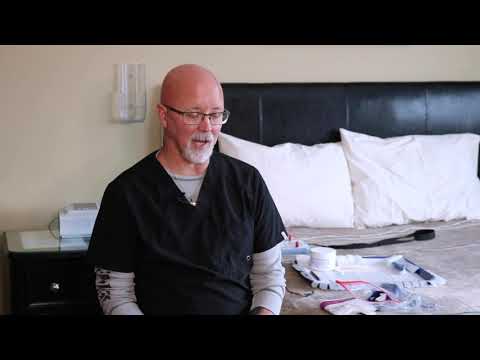
For patients with a high pre-test probability of obstructive sleep apnea, home testing is not only more affordable but also increasingly recommended by the American Academy of Sleep Medicine as a first-line diagnostic approach.
What’s Included in the Price?
When you receive a quote for an at home sleep study cost, make sure you understand exactly what is included. Some providers bundle the following services into a single flat fee:
- Device rental or purchase
- Instructions and setup assistance (video or phone)
- Data processing and analysis
- Interpretation by a board-certified sleep physician
- A written diagnostic report sent to your referring doctor
- One follow-up consultation to discuss results
Other providers charge separately for device shipping, physician interpretation, or the consultation itself. Always ask for a detailed breakdown before committing to a test to avoid surprise charges.
Insurance Coverage and Out-of-Pocket Expenses
Health insurance plays a significant role in determining your final at home sleep test cost. Most major insurance providers, including Medicare, UnitedHealthcare, Aetna, Blue Cross Blue Shield, and Cigna, cover home sleep testing when it is deemed medically necessary by a licensed physician.
If you have insurance, here are some steps to minimize your out-of-pocket expense:
- Verify your plan’s coverage for home sleep apnea testing (HSAT) before scheduling.
- Check your deductible and co-insurance or copay amounts specific to diagnostic sleep testing.
- Ask your primary care doctor for a referral to a board-certified sleep specialist, as this is often a prerequisite for insurance approval.
- Request an in-network provider to ensure maximum coverage and lowest possible costs.
- Ask for a pre-authorization so you know the exact amount you will owe before the test begins.
For uninsured patients, many sleep testing companies offer self-pay pricing that is substantially lower than in-lab alternatives. Some providers also offer installment plans or financing options for larger diagnostic packages.
Types of At-Home Sleep Testing Devices and Their Costs
The device used during your home sleep study significantly impacts the overall price. Here is a closer look at the two main categories:
Type 3 Portable Monitors
Type 3 devices are the most common home sleep apnea test equipment. They measure at least four channels of physiological data, including airflow, respiratory effort, oxygen saturation, and heart rate. Popular brands include ResMed ApneaLink, Natus Watch-PAT, and Itamar WatchPB. The cost for a Type 3 test typically ranges from $300 to $750, depending on the device and provider.
Type 2 Comprehensive Portable Devices
Type 2 monitors capture up to seven or more channels of data, including channels that measure brain activity (EEG) and eye movement. These devices are closer in capability to in-lab studies and are priced higher, often between $600 and $1,200. They are typically reserved for patients with more complex sleep presentations or when Type 3 testing has produced inconclusive results.
How to Reduce the Cost of an At-Home Sleep Study
If you are concerned about the at home sleep study cost before committing, consider these practical strategies:
- Ask about bundled pricing – Some providers offer all-inclusive packages that cover device, analysis, and consultation at a single competitive rate.
- Use FSA or HSA funds – A home sleep study qualifies as a medical expense that can be paid with a flexible spending account or health savings account, effectively reducing your taxable cost to zero.
- Compare providers online – Telehealth and direct-to-consumer sleep testing companies often offer lower prices than hospital-affiliated centers because they have lower overhead.
- Request a cash-pay discount – Some labs reduce their standard rate by 20–40% for patients paying out of pocket upfront.
- Check for community or clinic programs – Certain nonprofit sleep clinics and academic medical centers offer subsidized testing for qualifying individuals.
Frequently Asked Questions (FAQs)
How much does an at-home sleep study cost with insurance? With insurance coverage, most patients pay between $0 and $300 in out-of-pocket costs, depending on their deductible, co-insurance percentage, and whether the test is classified as in-network. Medicare typically covers home sleep testing at 80% after the Part B deductible is met, leaving beneficiaries responsible for the remaining 20%.
Is an at-home sleep study cheaper than an in-lab study? Yes, on average, an at-home sleep study costs 50–70% less than a traditional in-lab polysomnography. Home testing eliminates facility fees, technician labor costs, and overnight staffing expenses, which are the primary drivers of in-lab pricing.
Can I get a free or low-cost at-home sleep test? Some telehealth companies and community health programs offer discounted or subsidized home sleep tests. Additionally, if you qualify for Medicare or Medicaid, coverage for medically necessary sleep testing can reduce your cost to little or nothing.
What happens if the at-home sleep study results are inconclusive? If your home test does not provide enough data for a definitive diagnosis, your sleep physician may recommend a follow-up in-lab study. In this case, the home test cost is typically separate from the in-lab study cost, and your insurance provider will evaluate medical necessity for the second test.
Do I need a prescription to order an at-home sleep study? Yes, a home sleep test requires a prescription or order from a licensed healthcare provider, such as a primary care physician or sleep specialist. This ensures the test is medically appropriate and that results are properly interpreted by a qualified sleep medicine doctor.
How accurate are at-home sleep tests compared to in-lab studies? At-home sleep tests are highly accurate for detecting moderate-to-severe obstructive sleep apnea, with sensitivity rates often exceeding 90%. However, they may underestimate the severity of milder cases or miss central sleep apnea events, which is why some patients benefit from confirmatory in-lab testing.
Final Thoughts
The at home sleep study cost is significantly more accessible today than ever before, making sleep diagnostics available to a broader population than traditional in-lab testing ever could. Whether you are dealing with chronic snoring, excessive daytime fatigue, or a partner who has noticed breathing interruptions during your sleep, a home sleep test offers a practical, affordable, and clinically validated path to diagnosis.
Take the time to research providers, understand your insurance benefits, and ask the right questions before scheduling. A well-informed decision ensures you get accurate results, fair pricing, and the treatment you need to finally achieve restorative sleep. Your health is worth the investment, and with today’s home sleep testing options, quality diagnostics no longer require an overnight stay at a sleep center.