



When exploring the contemporary art landscape, certain names stand out for their innovation, cultural depth, and emotional resonance. Kamala Nahas is one such artist whose work has captivated audiences, critics, and collectors alike. This artist spotlight on Kamala Nahas art dives deep into her creative journey, signature techniques, thematic concerns, and the lasting impact she has made on the modern art world. Whether you are a seasoned art collector, an emerging enthusiast, or someone simply curious about powerful visual storytelling, this comprehensive guide covers everything you need to know about Kamala Nahas and her remarkable body of work.
Who Is Kamala Nahas? Understanding the Artist Behind the Canvas
Kamala Nahas is a multidisciplinary visual artist known for her compelling exploration of identity, memory, and cultural heritage. Her artistic practice spans across multiple mediums, including painting, mixed media, and textile-based installations. What sets Kamala Nahas apart from many of her contemporaries is her ability to weave personal narratives with broader socio-political commentary, creating works that are both intimate and universally relatable.
Born into a rich cultural background, Nahas draws heavily from her lived experiences, migration stories, and the intersections of tradition and modernity. Her art often reflects the complexity of belonging — navigating between worlds, languages, and identities. This deeply personal lens gives her work an authenticity that resonates powerfully with diverse audiences worldwide.
Over the years, Kamala Nahas has participated in solo and group exhibitions across galleries and art fairs, earning recognition for her distinctive voice in contemporary art. Her work has been featured in publications, art blogs, and curatorial essays that highlight her as a significant figure in the current art scene.
Kamala Nahas Art Style: Techniques and Visual Language
Understanding the artistic style of Kamala Nahas requires a closer look at her techniques, material choices, and visual vocabulary. Her approach is neither strictly conventional nor entirely avant-garde — it occupies a fascinating middle ground where tradition meets experimentation.
Signature Techniques in Kamala Nahas’s Work
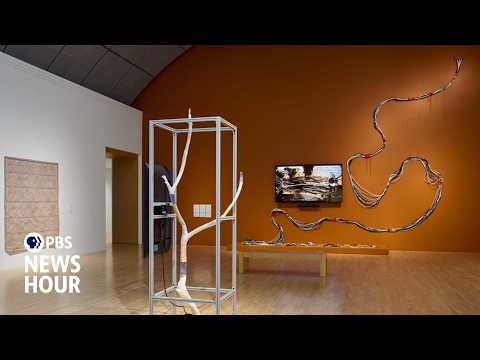
Nahas employs a range of techniques that give her pieces texture, depth, and emotional weight:
- Layered Mixed Media: She combines paint, fabric, paper, and found objects to build multidimensional surfaces that invite close inspection.
- Textile Integration: Drawing from her cultural roots, Kamala Nahas frequently incorporates textile elements — embroidery, weaving, and draped fabrics — into her compositions.
- Collage and Assemblage: Fragmented imagery and cut-out forms create a sense of memory dissolving and reconstructing, mirroring themes of identity.
- Bold Color Palettes: Her use of vivid, saturated hues contrasts with more subdued tones, creating emotional tension and visual harmony simultaneously.
- Calligraphic Influences: Script and letter forms appear subtly in many works, nodding to language as a carrier of culture and meaning.

Thematic Concerns in Nahas’s Artwork
The recurring themes in Kamala Nahas’s art can be grouped into several interconnected categories:
- Identity and Diaspora: Exploring what it means to exist between cultures and how displacement shapes self-perception.
- Memory and Nostalgia: Personal and collective memories rendered through abstract and figurative elements.
- Gender and Representation: Challenging traditional narratives around women, strength, and visibility.
- Migration and Borders: Physical and metaphorical borders that define human experience.
- Sacred and Everyday: Elevating ordinary moments and objects into sacred visual experiences.
Notable Works and Artistic Achievements
Kamala Nahas has produced a body of work that spans significant projects and exhibitions. While her portfolio continues to evolve, several key pieces and milestones deserve attention:
| Work / Exhibition | Year | Medium | Significance |
| “Threads of Belonging” | 2022 | Mixed media installation | Acclaimed for its exploration of cultural displacement |
| “Echoes in Color” | 2021 | Oil and textile on canvas | Featured in a major group show at a prominent gallery |
| “In Between Worlds” | 2020 | Collage and assemblage | Won critical praise for its layered narrative approach |
| “Woven Memories” | 2019 | Textile and paint | Solo exhibition that established Nahas as a rising contemporary voice |
| “Borders, Seen and Unseen” | 2023 | Installation and print | Highlighted at an international art fair |
These works collectively demonstrate Nahas’s willingness to push boundaries while remaining rooted in her personal and cultural experiences. Critics have praised her for creating art that is visually stunning yet intellectually stimulating — a rare combination in today’s art market.
The Artistic Journey of Kamala Nahas: From Early Works to Recognition
Every artist’s path is shaped by pivotal moments, and Kamala Nahas’s journey is no exception. Her early works were more figurative and narrative-driven, gradually evolving into the more abstract, layered compositions she is known for today. This evolution reflects both her growing confidence as a practitioner and her deepening engagement with complex themes.
Key phases in Nahas’s artistic development include:
- Early Exploration (2015–2017): Figurative paintings and drawings focusing on portraiture and daily life.
- Transition Period (2018–2019): Introduction of mixed media and textile elements; experimentation with abstraction.
- Maturation (2020–2022): Large-scale installations and series that gained institutional recognition and media coverage.
- Current Practice (2023–Present): Expanding into digital and collaborative projects while maintaining her signature tactile aesthetic.
This progression shows a deliberate and thoughtful artist who refuses to be confined by a single medium or style. Kamala Nahas continues to challenge herself, seeking new ways to communicate universal human experiences through her unique artistic lens.
Kamala Nahas in the Contemporary Art Scene
The contemporary art world is vast and competitive, but Kamala Nahas has carved out a distinctive niche. Her work speaks to the growing demand for art that is culturally grounded, emotionally honest, and visually arresting. Collectors and curators increasingly seek artists who offer perspectives that challenge dominant narratives, and Nahas delivers exactly that.
Her inclusion in group exhibitions alongside internationally recognized artists has further cemented her reputation. Art critics have drawn comparisons between Nahas and other contemporary artists working at the intersection of cultural identity and abstraction, though her textile-heavy approach remains uniquely her own.
Collecting Kamala Nahas Art: What You Should Know
If you are considering adding Kamala Nahas works to your collection, here are some practical insights:
- Authenticity matters: Always verify provenance and ensure purchases come through reputable galleries or the artist’s direct channels.
- Medium variability: Nahas works across multiple mediums, so prices and availability can vary significantly between paintings, installations, and textile pieces.
- Edition awareness: Some works may be part of limited series — understanding edition sizes helps assess long-term value.
- Exhibition history: Pieces that have been shown in recognized venues often carry additional cultural and market value.
Investing in Kamala Nahas art is not just a financial decision; it is an investment in meaningful, thought-provoking contemporary art that continues to resonate on cultural and emotional levels.
Comparison: Kamala Nahas vs. Other Contemporary Mixed Media Artists

To understand where Kamala Nahas stands among her peers, consider the following comparison:
| Aspect | Kamala Nahas | Typical Contemporary Mixed Media Artist |
| Cultural Influence | Deeply rooted in personal diaspora experience | Varies widely; often generalized |
| Textile Integration | Central to most works | Occasional or minimal |
| Narrative Depth | Layered personal and political storytelling | Often conceptual or abstract |
| Material Diversity | Paint, fabric, found objects, paper | Paint, metal, plastic, digital |
| Audience Engagement | High emotional resonance and accessibility | Can vary from accessible to esoteric |
This comparison highlights how Kamala Nahas distinguishes herself through her commitment to cultural storytelling and tactile materiality. Her art invites viewers into a dialogue rather than remaining purely aesthetic or intellectual.
Expert Tips for Engaging with Kamala Nahas Art
Whether you are viewing Kamala Nahas’s work in a gallery or studying her pieces for academic or personal interest, these expert tips will deepen your experience:
- Look closely at the textures: Nahas’s layered surfaces reward sustained attention — step near and observe the interplay of fabrics, paint, and found materials.
- Read the artist statements: Understanding Nahas’s own words about her work provides invaluable context for interpreting her visual choices.
- Consider the cultural context: Many of her references are drawn from specific cultural traditions — researching these can unlock deeper meaning.
- Attend live events: If Nahas participates in talks, studio visits, or panel discussions, these offer rare insights into her creative process.
- Document your viewing: Take notes or photographs (where permitted) to track how your understanding evolves over time.
Frequently Asked Questions (FAQs)
What makes Kamala Nahas art unique compared to other contemporary artists?
Kamala Nahas art stands out due to her signature integration of textile elements with mixed media painting, creating tactile surfaces that carry deep cultural and personal narratives. Her work bridges the gap between the personal and the political, offering viewers both emotional resonance and intellectual engagement. Few contemporary artists combine diaspora storytelling with such rich materiality.
Where can I view or purchase Kamala Nahas artwork?
Kamala Nahas’s artwork is available through select contemporary galleries, art fairs, and direct channels. Checking reputable art platforms, gallery websites, and exhibition catalogs is the best way to find current availability. Always verify the source to ensure authenticity and proper provenance documentation.
What themes does Kamala Nahas explore in her art?
Kamala Nahas explores themes of identity, cultural displacement, memory, migration, gender, and the intersection of tradition with modernity. Her work invites viewers to reflect on their own relationships with belonging, heritage, and the boundaries — both physical and emotional — that shape human experience.
Is Kamala Nahas art suitable for new art collectors?
Absolutely. Kamala Nahas’s work is accessible to new collectors because it combines visual appeal with meaningful content. Her pieces range in size and medium, offering various price points. Starting with a smaller mixed media piece or print is an excellent way for beginners to engage with her artistic vision.
What should I know before attending a Kamala Nahas exhibition?
Before attending a Kamala Nahas exhibition, research the specific series or body of work being showcased, read available artist statements or curatorial essays, and prepare to spend time with individual pieces. Nahas’s layered works reveal more with each viewing, so allow yourself the freedom to observe without rushing. Bring a notebook to capture your initial impressions and evolving thoughts.
Conclusion
The artist spotlight on Kamala Nahas art reveals a creative force that is both deeply personal and universally compelling. From her layered mixed media techniques to her fearless exploration of identity and belonging, Kamala Nahas has established herself as a vital voice in contemporary art. Her work challenges us to look closer, feel deeper, and think more critically about the stories we carry and the borders we navigate. For art enthusiasts, collectors, and anyone seeking meaningful visual experiences, Kamala Nahas offers a rich, rewarding journey worth exploring again and again.