Creating a playlist that feels fresh, intentional, and emotionally resonant is an art form that goes far beyond shuffling your favorite tracks. Whether you are a Spotify power user, an Apple Music curator, or someone who just wants to turn your music listening into a curated experience, creative playlist ideas can completely transform the way you discover and enjoy music. In 2024 and beyond, playlists have evolved into deeply personal soundtracks — think of them as musical journals, conversation starters, or even gifts that tell a story. This guide walks you through innovative playlist concepts, practical structuring techniques, and expert tips that will help you build playlists people actually remember.
Creative Playlist Ideas for Every Mood and Moment
The best playlists start with a clear emotional or situational anchor. Instead of generic labels like “Chill” or “Workout,” think about the specific moments in your life where music plays a role. This approach — sometimes called mood-based playlist curation — elevates your listening experience from background noise to a deliberate, immersive journey.
Themed Mood-Based Playlist Concepts
Mood-based playlist ideas work because they target a listener’s emotional state. Here are some creative directions to explore:
- Rainy Window Listening — Curate lo-fi instrumentals, soft jazz, and ambient tracks that pair perfectly with watching rain blur the city outside.
- Golden Hour Drive — Build a playlist for that specific window just before sunset when the light turns amber and everything feels cinematic.
- Sunday Morning Reset — A blend of acoustic folk, gentle indie pop, and soulful R&B designed for coffee brewing, journaling, and slow mornings.
- Midnight Overthinking — Deep cuts and introspective lyrics for those late-night moments when your mind won’t stop wandering.
- Productive Grind — Instrumental beats, video game soundtracks, and ambient electronic tracks that fuel deep focus without distraction.
Occasion-Driven Playlist Strategies
Occasion-based playlists are incredibly versatile and make thoughtful gifts. Consider building playlists around specific events or routines:
- Dinner Party Starter — Warm, unobtrusive tracks that fill silence without competing with conversation. Think bossa nova, chill house, or soft soul.
- Road Trip Soundtrack — Alternate between upbeat anthems, sing-along classics, and mellow wind-down songs for highway driving.
- First Date Energy — A playlist that sets the tone without being too intense — playful, warm, and conversation-friendly.
- Post-Workout Recovery — Transition from high-energy bangers to calming ambient tracks as your heart rate settles.
- Seasonal Shifts — A playlist for every season, capturing the sonic texture of spring blooms, summer nights, autumn leaves, and winter solitude.
Playlist Architecture: How to Structure a Killer Playlist
One of the most overlooked aspects of creative playlist creation is song sequencing. A well-structured playlist has a natural arc — just like a great album or a film. The way you arrange tracks determines whether the listener feels a smooth emotional journey or a jarring, disconnected experience.
Energy Flow and Arc Design
Think of your playlist as having a beginning, middle, and end with a deliberate energy curve:
- Entry Point (First 30%): Start with accessible, warm tracks that ease the listener in. Avoid dropping them into an intense song immediately.
- Midsection (Middle 40%): Build energy gradually. Introduce slightly bolder choices, deeper cuts, or genre shifts that keep the listener intrigued.
- Climax (Last 20%): End with your strongest, most memorable tracks. A powerful closer leaves a lasting impression and makes people want to replay the whole thing.
Song Sequencing Techniques That Work
Expert playlist curators use specific methods to keep the flow seamless:
| Technique | Description | Best For |
| Tempo Gradient | Arrange songs from slow to fast or vice versa, creating a natural energy ramp. | Workout playlists, road trips |
| Key Mixing | Place songs in compatible musical keys next to each other for smooth transitions. | DJ-style playlists, chill vibes |
| Thematic Pairing | Group songs by shared lyrical themes, artists, or emotions rather than genre. | Narrative playlists, mood boards |
| Surprise Insertion | Drop an unexpected genre or era track into an otherwise uniform playlist for contrast. | Genre-blending playlists, discovery |
| Bookend Matching | Start and end with a similar song or artist to create a satisfying circular feel. | Personal playlists, gifts |
Niche Playlist Ideas That Stand Out
If you want your playlists to gain traction — whether you are sharing them on social media or building a following — you need to go beyond the obvious. Niche playlist concepts demonstrate music curation expertise and attract listeners who are hungry for something different.
Genre-Blending and Cross-Genre Mixes
Genre-fluid playlists are increasingly popular because they challenge listeners to expand their horizons. Try these cross-genre concepts:
- Jazz Meets Lo-Fi — Classic jazz standards reimagined through lo-fi production and beat-driven remixes.
- Indie Folk Electronica — Acoustic singer-songwriter melodies layered with ambient synths and subtle electronic textures.
- Latin Trap x Indie Pop — A bilingual blend of reggaeton rhythms with dreamy indie pop vocals and atmospheric production.
- Classical for the Modern Ear — Famous orchestral pieces paired with contemporary covers and reimagined versions in pop, hip-hop, or electronic styles.
Nostalgia and Decade-Themed Playlists
Decade-based playlists tap into powerful emotional connections. Here are some ideas that go beyond the standard “90s Hits” label:

- Songs You Heard in a Movie That Changed Your Life — A deeply personal playlist where each track ties back to a specific scene or memory.
- Deep Cuts from the 2000s — Skip the obvious hits and focus on B-sides and album tracks from 2000–2009 that deserve renewed attention.
- What Your Parents Listened to at Your Age — Research the music scene of the era when your parents were your age and build a playlist that bridges generational gaps.
- One-Hit Wonders Across Decades — A fun, throwback playlist featuring beloved one-hit wonders from every decade.
Platform-Specific Playlist Optimization
Different streaming platforms reward different playlist strategies. Understanding these nuances helps you maximize reach and listener engagement.
| Platform | Best Practice | Key Feature to Leverage |
| Spotify | Use descriptive, keyword-rich playlist names and organize tracks into sub-sections. | Spotify Blend, playlist description SEO |
| Apple Music | Focus on editorial-style curation with cohesive cover art and thoughtful descriptions. | Apple Music for Artists, smart playlists |
| YouTube Music | Create longer, algorithm-friendly playlists with diverse track lengths and tempos. | YouTube algorithm discovery, mix features |
| SoundCloud | Support independent artists and underground genres to build a unique playlist identity. | Reposts, community engagement |
| Deezer | Use mood and genre tags effectively and curate playlists around cultural moments. | Deezer editorial submission, Flow integration |
Expert Tips for Building Playlists People Love

Whether you are curating playlists for personal use or building a public profile, these expert-backed strategies will elevate your craft:
- Keep playlists between 30 and 50 tracks — Long enough to provide variety but short enough to maintain cohesion. Overly long playlists often feel unfocused.
- Update seasonally — Refresh your playlists every few months to keep them relevant and engaging for returning listeners.
- Write compelling descriptions — A well-written playlist description boosts discoverability and gives listeners context for your song choices. Include mood keywords, genre references, and specific artist names.
- Use cover art that tells a story — Custom playlist artwork signals effort and professionalism. Choose images that reflect the playlist’s emotional tone.
- Test the first and last 30 seconds — The opening and closing tracks set the tone and leave the final impression. Spend extra time selecting these anchor tracks.
- Collaborate with other curators — Swapping tracks or co-creating playlists introduces new perspectives and expands your listener base organically.
Frequently Asked Questions
What are some unique creative playlist names for a mood-based playlist?
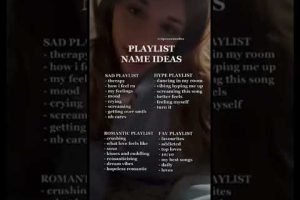
Instead of generic titles like “Chill Vibes,” try specific and evocative names such as “3 AM Overthinking,” “Coffee Rain Window,” “Golden Hour Daydream,” or “The Slow Burn.” These names immediately communicate the playlist’s emotional tone and make it more searchable and clickable.
Viral playlists typically combine a highly specific niche with strong emotional appeal. Choose a unique theme, write a keyword-rich description, use eye-catching cover art, and share it in relevant communities or social media groups where your target audience already engages with music content.
What is the ideal number of songs for a curated playlist?
Most expert curators recommend between 30 and 50 tracks for a standard playlist. This length provides enough variety to keep the listener engaged without becoming monotonous. For discovery playlists, slightly longer lists of 50–80 tracks work well, while focused mood playlists thrive with 20–35 songs.
How often should I update my public playlists to keep them relevant?
Refreshing your playlists every 4 to 6 weeks is a solid cadence. Add new tracks that fit the theme, remove songs that no longer resonate, and adjust the sequencing to maintain energy flow. Seasonal updates — at the start of spring, summer, fall, and winter — also help keep your content timely and shareable.
Can I monetize my creative playlists on streaming platforms?
Direct monetization from playlist plays is limited on most platforms, but curated playlists can drive indirect income through follower growth, brand partnerships, playlist promotion services, and affiliate marketing. If you build a sizable following, opportunities with artists, labels, and music brands become increasingly viable.
Final Thoughts
Creative playlist ideas are more than a trend — they are a form of personal expression and musical storytelling that resonates deeply in today’s streaming-driven culture. By moving beyond generic categories, embracing thoughtful song sequencing, and infusing each playlist with a clear emotional purpose, you can create listening experiences that people return to again and again. Start experimenting with these concepts, trust your instincts as a listener, and remember that the best playlists feel like they were made for one person: the person listening. Whether you are building a playlist for yourself, sharing it with friends, or growing a public curation profile, the principles of intentional music curation remain the same — curate with heart, sequence with purpose, and always prioritize the listening experience above all else.